Category: Blogging

  • How Labuan Bajo Tours Can Recover from BBM Shortages

    How Labuan Bajo Tours Can Recover from BBM Shortages

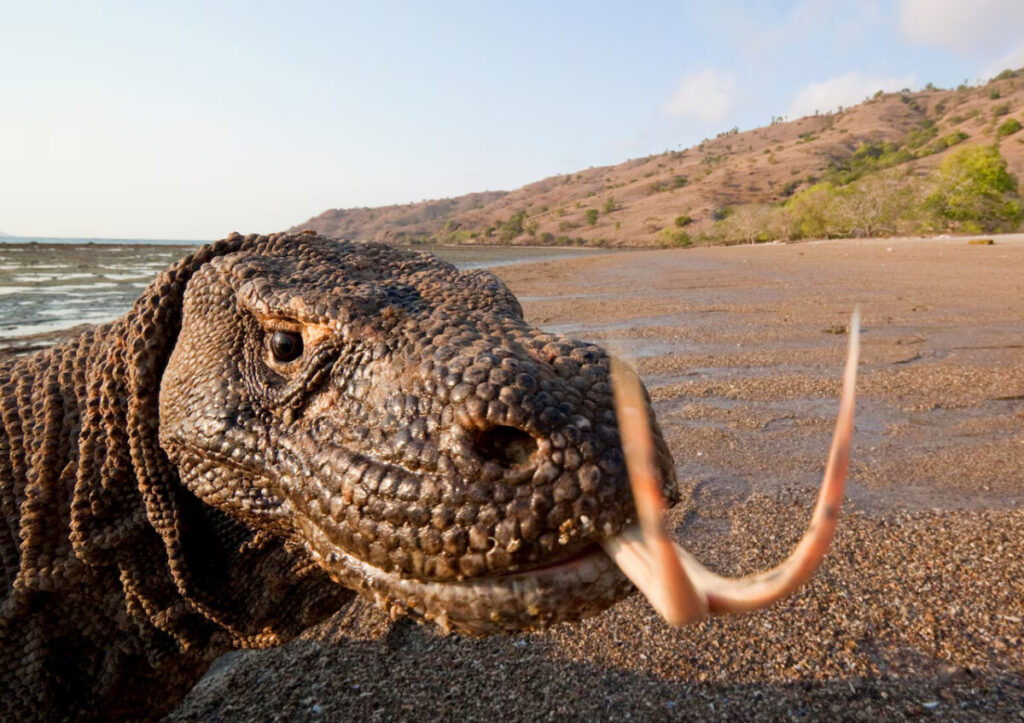
    Labuan Bajo, Indonesia’s crown jewel of tourism and gateway to Komodo National Park, is facing a recurring crisis that’s hitting Labuan Bajo tours hard: fuel shortages. Known for its stunning landscapes, vibrant marine life, and status as a super-priority tourism destination, Labuan Bajo has been grappling with a persistent shortage of BBM (Bahan Bakar Minyak, or fuel oil), disrupting tour operations, disappointing visitors, and tarnishing its global reputation.

    The Fuel Crisis: A Blow to Labuan Bajo Tours

    The fuel scarcity in Labuan Bajo, particularly during peak tourism months (June to September), has caused significant disruptions. In August 2025, long queues at fuel stations like SPBU Sernaru and SPBU Lembor highlighted the severity of the issue. Local tour guide Richardus Papo Ari voiced frustration in a viral video, noting that many Labuan Bajo tours were canceled due to boats being unable to refuel. “This is embarrassing for a super-priority destination,” he said, echoing the sentiments of many in the tourism industry.

    The ripple effects are profound. Tourists, who travel thousands of miles to experience Labuan Bajo’s iconic Komodo dragons and pristine waters, face canceled trips, leading to frustration and negative reviews. Ahyar Abadi, Chairman of the Labuan Bajo Tourism Boat Association (Askawi), reported that fuel shortages have persisted for over ten days, forcing many operators to halt services. This not only impacts tourists but also the livelihoods of local boat operators, guides, and businesses dependent on tourism revenue.

    Also read Why Dive Insurance is a Must for Komodo Liveaboard Explorations

    Why Fuel Shortages Persist in Labuan Bajo

    The fuel crisis in Labuan Bajo is not a one-off issue but a recurring problem, especially during peak seasons. According to Satria Buyung Pradana from HIPMI Manggarai Barat, fuel shortages have become an “annual agenda” during the high-demand months. Several factors contribute to this:

    1. Inadequate Fuel Infrastructure: Labuan Bajo lacks a dedicated Pertamina fuel depot, relying on supplies from distant terminals in Reo, Ende, and Maumere. This dependency creates logistical bottlenecks, especially during bad weather or high demand.
    2. Seasonal Demand Spikes: The influx of tourists during peak seasons increases fuel consumption for boats, vehicles, and generators, overwhelming the existing supply chain.
    3. Potential Hoarding: Allegations of fuel hoarding, as mentioned by Richardus and Inocensius Peni, a local DPRD member, suggest speculative practices may exacerbate shortages, driving up prices to unreasonable levels.

    These issues undermine Labuan Bajo’s reputation as a premium tourism destination, with canceled Labuan Bajo tours becoming a recurring headline.

    The Economic and Reputational Toll

    Labuan Bajo’s economy heavily relies on tourism, with Labuan Bajo tours generating significant revenue for local businesses. The fuel crisis disrupts this ecosystem, affecting everyone from boat operators to hoteliers. Canceled trips lead to lost income, while negative tourist experiences spread through social media and travel platforms, deterring future visitors. Ahyar Abadi noted that many tourists, after planning their dream vacations, are left disappointed, which could harm Labuan Bajo’s long-term appeal.

    Moreover, the crisis raises questions about Indonesia’s ability to manage its five super-priority tourism destinations, including Labuan Bajo. If a flagship destination struggles with basic infrastructure like fuel supply, it risks undermining national tourism goals.

    Solutions to Revive Labuan Bajo Tours

    To secure the future of Labuan Bajo tours, stakeholders must address the fuel crisis with urgency and innovation. Here are practical solutions:

    1. Establish a Dedicated Fuel Depot

    Inocensius Peni’s call for a Pertamina depot in Labuan Bajo is a critical step. A local depot would reduce reliance on distant terminals, ensuring a steady fuel supply even during peak seasons. Pertamina’s current efforts, such as deploying additional tankers from Maumere and Ende, are a short-term fix but insufficient for long-term stability. A dedicated depot would also streamline distribution, reducing delays caused by weather or logistics.

    2. Regional Coordination for Fuel Supply

    Ahyar Abadi suggested coordinating with neighboring regions like Manggarai, Maumere, or Bima to secure emergency fuel supplies. Establishing a regional fuel-sharing agreement could act as a stopgap until a local depot is operational. This requires collaboration between local governments, Pertamina, and tourism associations to prioritize Labuan Bajo’s needs.

    3. Explore Alternative Energy for Tour Boats

    To reduce dependency on traditional fuels, Labuan Bajo tours could transition to sustainable alternatives. Solar-powered or hybrid boats, already used in some eco-tourism destinations globally, could be piloted in Komodo National Park. These options not only address fuel shortages but also align with the park’s conservation goals, enhancing Labuan Bajo’s appeal as an eco-friendly destination.

    4. Strengthen Anti-Hoarding Measures

    Allegations of fuel hoarding must be investigated promptly. Authorities should enforce strict regulations and penalties to deter speculative practices. Transparent fuel distribution systems, such as digital tracking of allocations to SPBUs, could ensure fair access for tour operators and prevent black-market sales.

    5. Improve Demand Forecasting

    Pertamina and local authorities should leverage data to predict fuel demand during peak seasons. By analyzing tourist arrivals and boat operations, they can pre-emptively increase fuel allocations, avoiding last-minute shortages. This proactive approach would ensure Labuan Bajo tours run smoothly year-round.

    Pertamina’s Response and Future Outlook

    Pertamina has taken steps to mitigate the crisis, including 24-hour SPBU operations and additional fuel deliveries. In August 2025, they deployed tankers carrying 48,000 liters of Pertamina Dex from Maumere and 96,000 liters of Biosolar from Ende, with more supplies scheduled from Reo. While these efforts are commendable, they are reactive rather than preventive. Pertamina’s commitment to prioritizing vehicle and SPBU fuel distribution is a start. Still, non-vehicle consumers like tour boats need equal attention.

    For Labuan Bajo tours to thrive, a long-term strategy is essential. A dedicated depot, coupled with sustainable practices and robust coordination, could transform Labuan Bajo into a model for resilient tourism. The government’s designation of Labuan Bajo as a super-priority destination comes with high expectations, and addressing the fuel crisis is non-negotiable to meet them.

    A Call to Action for Labuan Bajo Tours

    The fuel crisis in Labuan Bajo is a wake-up call for stakeholders to prioritize infrastructure and planning. Labuan Bajo tours are the lifeblood of the region’s economy and a key driver of Indonesia’s tourism ambitions. By investing in a local fuel depot, exploring sustainable energy, and cracking down on hoarding, Labuan Bajo can overcome this challenge. The time to act is now, before more tourists turn away and the destination’s reputation suffers further. With strategic interventions, Labuan Bajo tours can reclaim their place as a world-class experience, ensuring visitors leave with memories of adventure, not disappointment.
  • Komodo Island: What Threatens This Pristine Paradise?

    Komodo Island: What Threatens This Pristine Paradise?

    The stunning landscapes of Komodo Island, situated in Indonesia’s Lesser Sunda Islands, are globally celebrated. This island is best known as the habitat of the world’s most giant lizard—the Komodo dragon. While Komodo Island is one of Southeast Asia’s most sought-after destinations, its pristine environment and unique biodiversity are increasingly threatened. From the pressures of mass tourism to climate change, the challenges facing this paradise are mounting. This article delves into the factors that threaten the island and what can be done to preserve it.

    The Appeal of Komodo Island

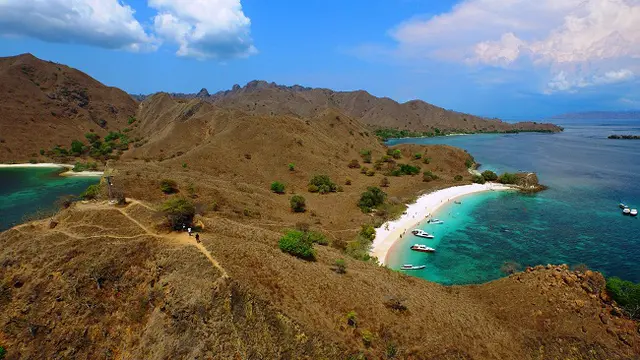
    Komodo Island, part of the Komodo National Park, offers visitors stunning natural beauty, vibrant coral reefs, and a display of wildlife, including the legendary Komodo dragon. The island’s unique ecosystem has attracted nature enthusiasts, adventure seekers, and conservationists. The Komodo National Park was designated a UNESCO World Heritage site in 1991, further cementing its status as an ecological treasure. However, this popularity has consequences, as tours to Komodo Island and other tourism-related activities continue to grow.

    The Impact of Mass Tourism

    Over the past decade, Komodo Island has experienced a rapid surge in tourism. From 2010 to 2019, the number of visitors nearly tripled, with over 170,000 tourists arriving annually. This influx has brought economic benefits but also raised concerns about the sustainability of the island’s ecosystem.

    Tourism-related activities, such as Komodo Island diving, boat trips, and trekking, place significant pressure on Komodo’s fragile environment. Boats that bring tourists to the island can damage coral reefs, and increased human interaction with the wildlife, particularly Komodo dragons, disrupts the natural behavior of these creatures. Infrastructure development to accommodate the growing number of visitors—hotels, restaurants, and transportation—often leads to deforestation and habitat destruction.

    In response to these concerns, the Indonesian government has considered limiting tourist numbers and implementing conservation fees. Still, more comprehensive measures may be necessary to mitigate the long-term impact of mass tourism on Komodo Island trips.

    Also, read Labuan Bajo Island Hopping Open Trip Delights

    Climate Change and Rising Sea Levels

    Climate change significantly threatens Komodo Island and the surrounding national park. The world’s coral reefs, essential to the marine ecosystem and home to diverse aquatic life, already feel the impact of rising sea levels and warmer waters. Coral bleaching, caused by warmer waters, has become more frequent in the region, reducing biodiversity and threatening the livelihoods of local communities that rely on fishing.

    Furthermore, shifting weather patterns could result in increasingly severe weather occurrences like storms and droughts, posing a greater threat to the island’s environment. The delicate balance of life on Komodo Island is highly dependent on consistent weather conditions, and any disruption could have a cascading effect on its flora and fauna.

    Illegal Fishing and Marine Degradation

    Despite the protection offered by its national park status, illegal fishing practices, including blast fishing and cyanide fishing, threaten Komodo Island’s marine environment. These destructive techniques kill fish, damage coral reefs, and deplete marine resources, making it harder for local communities to sustain their livelihoods.

    Efforts to combat illegal fishing are ongoing, with increased patrols and stricter enforcement of marine conservation laws. However, the vastness of the area and the limited resources available for monitoring make it challenging to eliminate these harmful practices. For tourists planning tours to Komodo Island, these activities also detract from the natural beauty and biodiversity they come to experience.

    Waste Management Issues

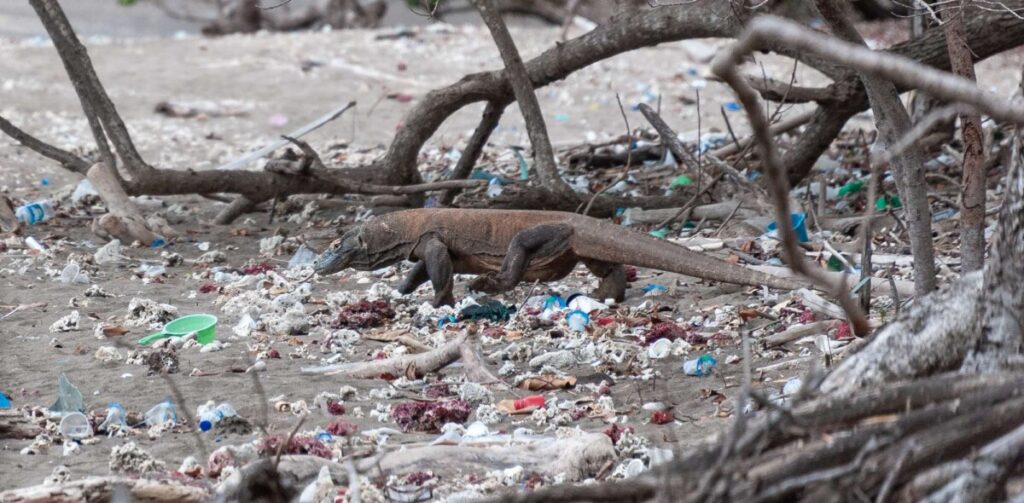
    Waste management is one of the less visible but equally significant challenges facing Komodo Island. Due to the increasing number of tourists and a growing local population, managing waste has become a pressing concern. Inadequate waste management systems lead to land and sea pollution, with plastic waste posing a particular threat to marine life.

    Many rubbish in the paradise "Komodo Island"

    While local governments have introduced initiatives to manage waste more effectively, such as waste sorting and recycling programs, these efforts are still in their infancy. With proper waste disposal infrastructure and widespread public awareness, the problem is likely to grow.

    Habitat Loss and Wildlife Conservation

    Komodo Island’s most famous residents, the dragons, are also facing challenges. Habitat loss due to human encroachment, agricultural expansion, and infrastructure development threatens the dragons’ natural habitat. While Komodo dragons are a protected species, their populations remain vulnerable to environmental changes and human activities.

    The habitat of Komodo Dragons in the area conservation of Komodo Island.

    Conservation efforts have been implemented to monitor and protect the dragons. Still, continued habitat destruction could lead to a decline in their population. Additionally, other species on the island, including birds, mammals, and reptiles, face similar threats from habitat degradation and loss of biodiversity.

    What Can Be Done to Protect Komodo Island?

    The future of Komodo Island rests in striking a balance between conservation and sustainable development. Several initiatives are underway to address the island’s challenges:

    1. Tourism Regulation: Limiting the number of tourists allowed on the island each year and introducing conservation fees can help reduce the strain on the environment. Tour operators can also adopt eco-friendly practices, such as using electric boats and minimizing waste.
    2. Marine Protection: Strengthening marine conservation laws and increasing patrols to combat illegal fishing practices is crucial. Encouraging local fishermen to adopt sustainable fishing methods will also help protect marine resources.
    3. Climate Change Adaptation: Addressing the effects of climate change requires global cooperation, but local efforts, such as reforestation and coral reef restoration projects, can mitigate some of the damage. Educating tourists and locals about protecting the environment is essential in fostering a conservation mindset.
    4. Waste Management Improvements: Developing a comprehensive waste management system, including recycling programs and reducing single-use plastics, is key to reducing pollution. Engaging in public awareness campaigns can also encourage responsible waste disposal.
    5. Wildlife Conservation: Ongoing research and monitoring of Komodo dragons and other species are vital to understanding their needs and protecting their habitats. Expanding protected areas and enforcing habitat preservation laws will ensure that wildlife has the space to thrive.
  • Buying Your Dream Villa in Bali: A Suggestion

    Embarking on the journey of buying a villa in Bali is not just about acquiring property. It’s about embracing a lifestyle that combines serene natural beauty with vibrant culture. Bali, with its enchanting landscapes and rich heritage, offers a unique opportunity for those looking to invest in a dream home or a tranquil retreat. 

    This guide aims to introduce you to a selection of villas. They promise a luxurious living experience and resonate with different desires and lifestyles. Bali has a special place just for everybody. Let’s explore these options and find the perfect match for your dream Bali villa.

    Unveiling the Charm of Seminyak: A Two Bedroom Multi-Level Villa

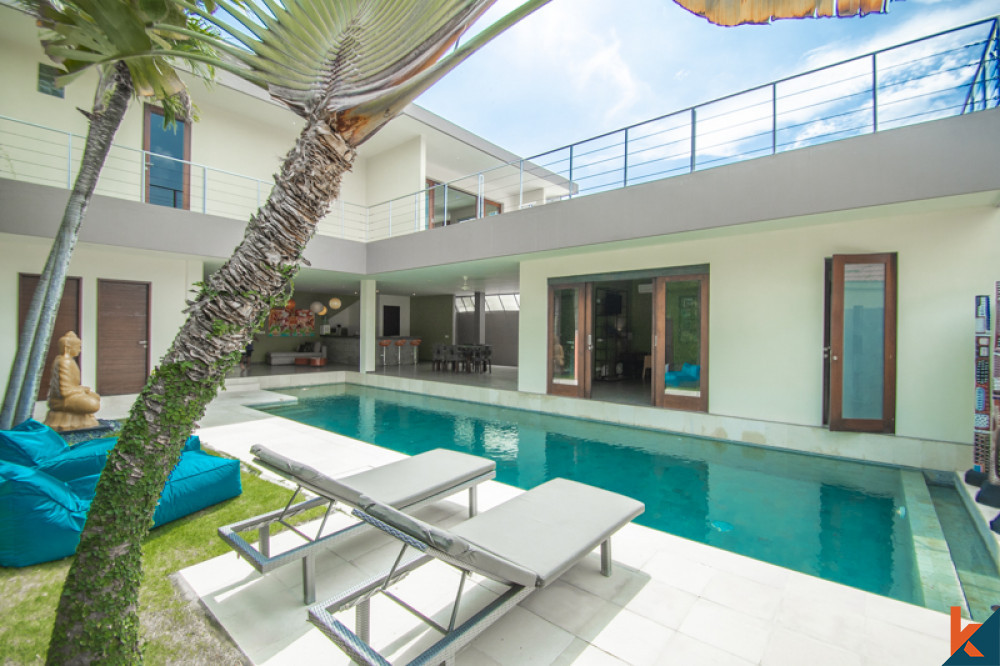
    Nestled in the heart of Seminyak, lies a stunning two-bedroom multi-level villa. This villa perfectly marries traditional Balinese elements with modern design. This villa is not just a dwelling. It’s a serene sanctuary that promises a balance of tranquility and vibrant local living.

    Imagine waking up to the gentle breeze and the soothing sound of nature, yet being just a few steps away from some of the most lively and exciting amenities that Bali has to offer. The villa’s location in Central Seminyak puts you in the midst of it all – from bustling markets, exquisite restaurants, to the famed Balinese nightlife. Yet, amidst this buzz, the villa remains a peaceful haven.

    The architecture of this villa is a thoughtful blend of the traditional and the contemporary. Balinese cultural heritage is reflected in its design, with elements like thatched roofs and wooden carvings adding to its charm. This is complemented by modern amenities and design choices that ensure your comfort and convenience are never compromised.

    Atypical Eco-Responsible Furnished Villa: A Sustainable Living Choice

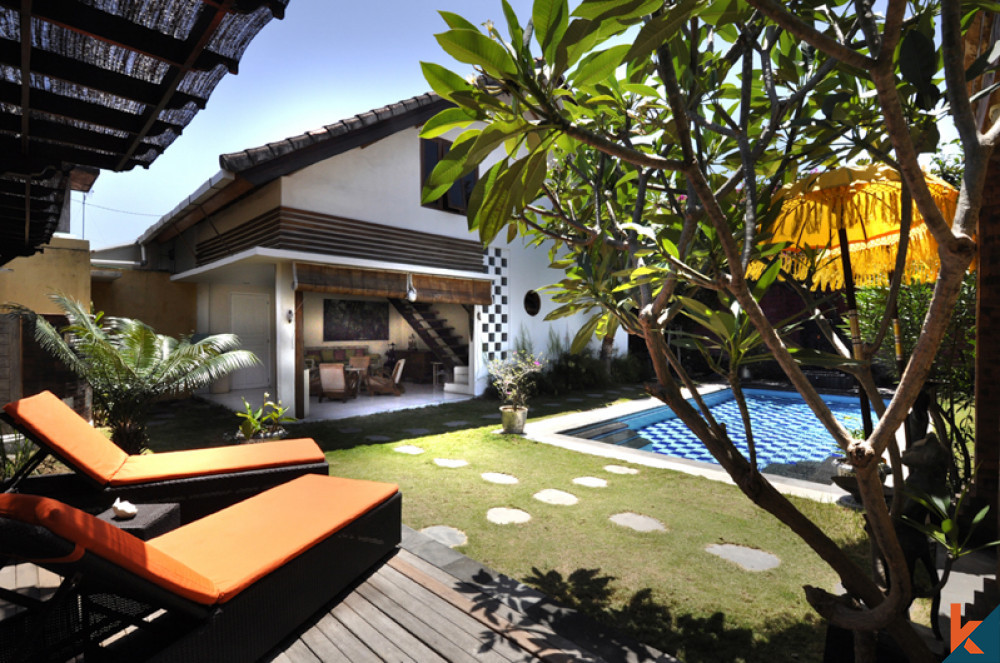
    For those who are passionate about the environment and wish to lead a sustainable lifestyle without sacrificing comfort and style, an eco-responsible furnished villa stands as an exemplary choice. This property, distinct in its design and ethos, integrates eco-friendly principles with luxury living.

    The villa showcases how sustainable living can seamlessly blend with modern aesthetics. From the use of recycled materials in its construction to energy-efficient appliances, every aspect of this villa is designed with the environment in mind. The furnishings, too, align with this philosophy, offering both style and sustainability.

    Living in this villa means making a statement – a statement of caring for the planet while enjoying a lifestyle that is both comfortable and stylish. It’s a choice that reflects a forward-thinking, responsible approach to life.

    One Bedroom Property for Lease in Berawa Area: Modern Living Meets Convenience

    For individuals or couples seeking a blend of modern living and convenience, a one-bedroom villa in the heart of Berawa presents an ideal opportunity. This area, known for its trendy cafes, shops, and proximity to beautiful beaches, makes for a desirable location for those who enjoy being in the midst of Bali’s vibrant lifestyle.

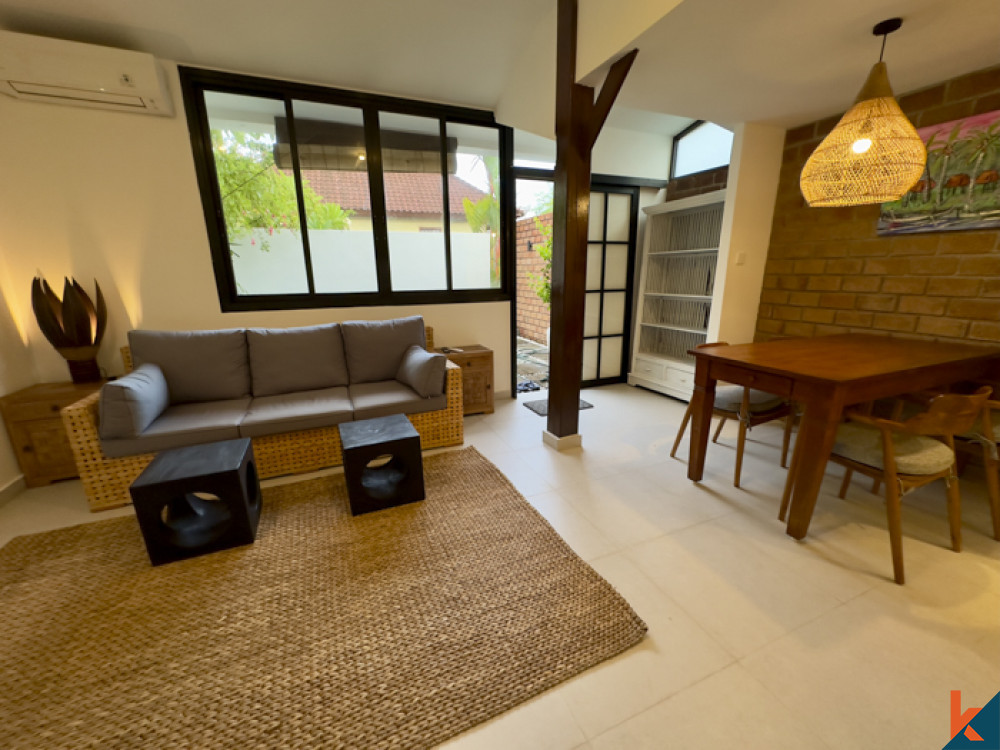
    The villa itself is a testament to modern architecture and convenience. Its design maximizes space, comfort, and functionality, making it perfect for those who appreciate a minimalist yet cozy living environment. The proximity to local amenities means you’re never far from what you need – be it a morning coffee at a trendy café or a leisurely stroll on the beach.

    A Villa for Every Lifestyle

    Each of these villas in Bali offers a distinct experience, catering to different lifestyles and preferences. Whether you want to embrace the cultural richness of Seminyak, the eco-conscious lifestyle, or the modern convenience of Berawa, there’s a villa that matches your needs.

    What’s more, these properties are not just about the present; they’re investments in your future. With Bali’s real estate market showing consistent growth, these villas promise potential for long-term appreciation.

    To explore more about these enchanting villas, visit Kibarer Property’s listing of villas for sale in Bali. Here, you can find your dream villa that aligns with your lifestyle, preferences, and values. Bali awaits you with open arms and a promise of a life filled with beauty, tranquility, and adventure.

  • Magic Hour Majesty: Sunset Views on Komodo Liveaboard

    Magic Hour Majesty: Sunset Views on Komodo Liveaboard

    The sun begins its descent, painting the sky with a vibrant palette of warm hues. As the day ends, a tranquil magic envelops the Komodo National Park. During this enchanting period, known as the “magic hour,” liveaboard enthusiasts are treated to a spectacle of nature that is nothing short of majestic. The experience of witnessing a sunset from the deck of a liveaboard in Komodo is a moment that etches itself into the memory forever. We journeyed through the mesmerizing world of sunset views on the Komodo liveaboard. Explored the best vantage points, the colors that dance across the horizon, and the emotions evoked by this ethereal phenomenon.

    The Best Vantage Points

    Dragon’s Head Lookout

    Perched on the bow of the Komodo liveaboard, the Dragon’s Head Lookout offers an unobstructed view of the horizon. Here, one can witness the sun’s final descent into the embrace of the sea, framed by the iconic silhouettes of Komodo’s rugged islands. The panoramic vista from this vantage point is unparalleled, allowing for a genuinely immersive sunset experience. As the sun sets, it gives a warm, golden light that bathes the entire scene in an ethereal glow. The sight of the sun’s reflection on the water’s surface is a breathtaking moment that captivates the senses.

    Starboard Serenity

    For those seeking a more intimate setting, the starboard side of the liveaboard provides a secluded spot to bask in the beauty of the setting sun. With the gentle lull of the waves as a soothing soundtrack, guests can relish in the tranquility of this moment, far from the madding crowd. This vantage point offers a more personal connection with the natural surroundings. The rhythmic sound of the waves against the hull creates a soothing ambiance, enhancing the overall sensory experience. As the sun falls lower on the horizon, it plays shadows and light, adding depth and dimension to the scenery.

    The Palette of Colors

    As the sun falls lower on the horizon, the sky changes into a canvas of stunning colors. Shades of amber, coral, and gold blend seamlessly, casting a warm glow over the Komodo archipelago. The tranquil blues of the surrounding waters create a striking contrast, enhancing the visual spectacle. Nature paints a surreal scene, igniting the sky in a blaze of glory as day yields to night’s embrace. The changing hues of the sky evoke a sense of wonder as each moment brings a new, awe-inspiring display of color. From the fiery oranges and reds of early sunset to the softer, pastel tones of dusk, the evolving palette enchants the onlooker.

    Sunset Clouds form above Komodo liveaboard in the  Ocean above remote tropical islands in Komodo National Park.

    Light and shadow dance, painting a vivid scene, while Komodo’s islands stand tall as a breathtaking canvas. The rugged terrain and lush vegetation are bathed in the warm, golden light, creating a picturesque tableau that is both dramatic and serene. It is a moment when time stands still, allowing for a deep appreciation of the surrounding natural beauty.

    Read More:

    How Komodo Liveaboard Supports Marine Conservation

    Unveiling Padar Island, the Hidden Gem of Indonesia

    Emotions Evoked

    Awe and Reverence

    Seeing a Komodo sunset from a liveaboard profoundly affects those fortunate enough to witness it. Awe washes over observers as they silently revere the natural world’s grandeur. The sheer magnitude of the moment, the vastness of the horizon, and the beauty of the sun’s descent evoke a deep sense of humility. It is a humbling reminder of humanity’s place in the larger tapestry of the universe. The immense expanse of Komodo’s terrain, set against the setting sun, showcases Earth’s breathtaking grandeur and beauty.

    Reflection and Contemplation

    As the sun sinks lower, casting long, golden reflections on the water’s surface, introspection washes over the onlookers. It is a moment for quiet contemplation, a time to ponder life’s mysteries and appreciate time’s fleeting nature. The scene’s tranquility encourages a sense of inner stillness, allowing for a deep connection with one’s thoughts and emotions. The gentle rocking of the liveaboard on the water further enhances this meditative experience, creating a sense of harmony between the self and the natural world.

    Inspiration and Creativity

    The ethereal beauty of a Komodo sunset is a wellspring of inspiration for artists, writers, and dreamers. The play of light and shadow, the interplay of colors, and the ever-changing tableau of the sky ignite the creative spark within. Many find themselves compelled to capture this magic through paint on canvas or words on a page. The artistic soul finds solace in the harmonious dance of elements, seeking to translate the experience into tangible form. It is a moment of creative communion with nature, a source of inspiration long after sunset.

    In the next section, we delve deeper into the impact of sustainable practices on preserving the natural beauty of Komodo and ensuring that future generations can continue to enjoy the magic of sunset views from liveaboards.

  • Breaking the Barriers: How to Make Electric Vehicles More Accessible and Affordable

    Electric vehicles (EVs) are a promising solution to reducing greenhouse gas emissions and air pollution, but they are not yet accessible or affordable for everyone. The high upfront cost of EV purchasing and the lack of charging infrastructure are significant barriers for many potential buyers. This article will explore ways to break down these barriers and make electric vehicles more accessible and affordable.

    Reduce the Upfront Cost

    The high upfront cost is one of the most significant barriers to purchasing an electric vehicle. EVs are still more expensive than gas-powered vehicles, but the cost decreases. One way to reduce EV costs is to offer buyers incentives and rebates. Local, state and national governments can provide tax credits, refunds, or grants to help offset the cost of electric vehicle purchasing. Additionally, some automakers offer financing deals and lease options to make EVs more accessible to buyers.

    Increase Charging Infrastructure

    Another significant barrier to EV adoption is the lack of charging infrastructure. While there are more charging stations now than ever, many areas still do not have adequate charging infrastructure. Increasing charging stations and providing fast-charging options can make EV ownership more practical for drivers. Governments and businesses can help by installing more charging stations in public places like shopping centers, parking lots, and public transportation hubs. Homeowners can also install charging stations at their homes, making it more convenient for them to charge their vehicles overnight.

    Improve Battery Technology

    Battery technology is one of the most critical factors in the affordability and accessibility of electric vehicles. Improving battery technology can increase the driving range of EVs and reduce the need for frequent charging. It can also make EVs more affordable by lowering the battery cost. Automakers and researchers are developing better battery technology, such as solid-state batteries, which can increase energy density and reduce the weight of the storm. As battery technology continues to improve, the cost of EVs will decrease, making them more accessible to more people.

    Educate the Public

    Many people still have misconceptions about electric vehicles, such as thinking they have a shorter driving range than gas-powered vehicles or are not as reliable. Educating the public about the benefits of EVs can help break down these misconceptions and encourage more people to consider them as an option. This can include information about the cost savings of owning an EV, the environmental benefits, and the latest advances in battery technology.

    Encourage Workplace Charging

    One way to increase the accessibility of EVs is to encourage workplace charging. Many employers are already installing charging stations in their parking lots or garages, making it more convenient for employees who own EVs to charge their vehicles during the workday. This can also help increase the vehicle’s driving range, as the battery can be charged while the employee is at work.

    In conclusion, making electric vehicles more accessible and affordable is critical to achieving a sustainable future. Reducing the upfront cost of EVs, increasing charging infrastructure, improving battery technology, educating the public, and encouraging workplace charging are all essential steps to breaking down the barriers to EV adoption. By taking these steps, we can make electric vehicles a more practical and desirable option for more people, leading to a cleaner, healthier future.

  • Little-Known Destinations Worth Visiting For

    You may have ticked off many popular travel destinations. However, the world is so wide that you have endless choice of travel destinations. Instead of visiting popular destinations, why not putting little-known destinations into your bucket list for your next travel plan. Lesser popularity doesn’t always mean bad thing. In fact, they often have untouched beauty that is worth exploring for. Also, visiting less popular destinations helps in reducing carbon footprint. 

    Less popular travel destinations to visit

    vacation

    Different individual may travel for different purpose with different style and preference. Some travelers prefer leisure trip to exotic places full of stunning beaches, luxurious resorts, and enjoying expensive delicacy at high-end restaurants. However, there are also travelers who prefer adventure, trying new activities, and finding hidden gems of more secluded places. And if you fall into the latter category, here are recommended little-known travel destinations to visit:

    Kiribati

    Kiribati might not be so well-heard of by many travelers around the world. It is a place made of 33 small islands, scattered on both sides of the Equator. This is a perfect destination for those nature lovers as well as adventurous spirits. It is unlikely for you to find a 5-star luxuries here. However, you will get to experience world-class surf breaks, game fishing, dive and snorkel sites. In this travel destination you will also get to visit a sanctuary of birds of the Pacific. If you are into history, this place is a perfect place to explore since it was a huge part of the WWII. Spend your time observing relics scattered in various areas in Kiribati. 

    Lesotho

    Nicknamed the Kingdom of the Sky, this Southern African nation is such an underrated destination. It might be referred to its characteristic of location that the highest low point of any country in the world. This place sits at more than 1,000 meters. It is the best place to experience more relaxing getaway. You can explore this place through adventurous activities such as traversing the trails in the three national parks, horseback riding, or just strolling around the area .

    Andorra

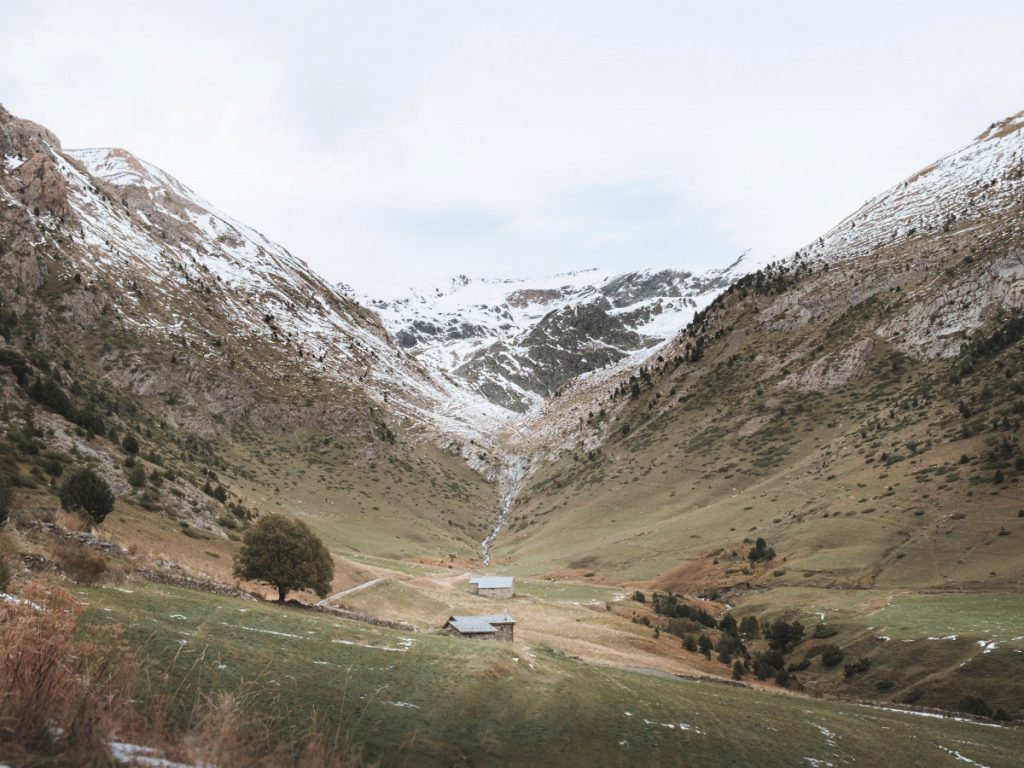
    trekking andorra

    Andora is situated on the border of France and Spain. This is such a hidden gem where you can actually find some of the most exclusive fashion brands at slightly cheaper price. You can also try more adventurous activities to explore this place such as trekking through the scenic mountain trails, horseback riding, etc. 

    Comoros

    Give Comoros a go and you will experience different type of trip that is memorable. Comoros is located off the coast of East Africa. This tiny island nation is such a perfect place to give you a serene travel experience, letting you off the radar for a while. This island has a definite lack of infrastructure but it offers a true sense of adventure at its finest. There are many activities you can try here such as trekking through lush, diving into pristine water, hiking to dense forest, snorkeling to see vibrant marine life, as well as hiking up the active volcanoes.

  • Best spot in Komodo for diving, trekking, and meeting the dragons.

    Komodo National Park have a lot to offer for traveller visiting them. You can explore beautiful island with magnificent view, go diving into the komodo national park and meet the many exotic creature. And the main attraction of the national park, the komodo dragons that have been the apex predator since the ancient time. There are a lot of things you can do there, so here are some of the activities to do in komodo national park. 

    Trekking in the hills.

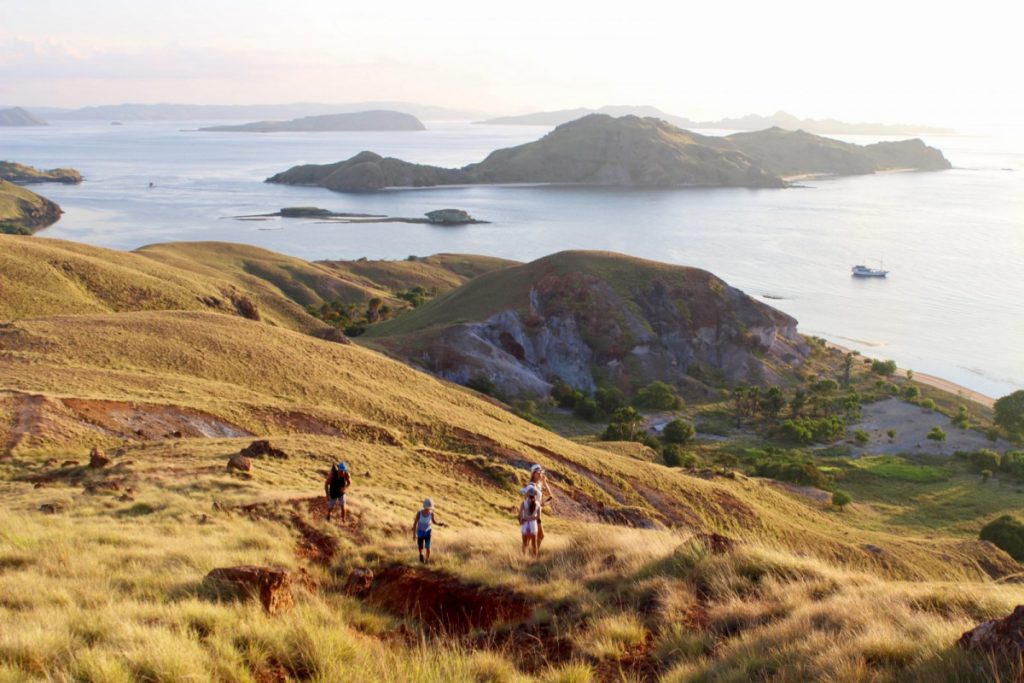
    trekking in komodo national park
    source : helloflores.com

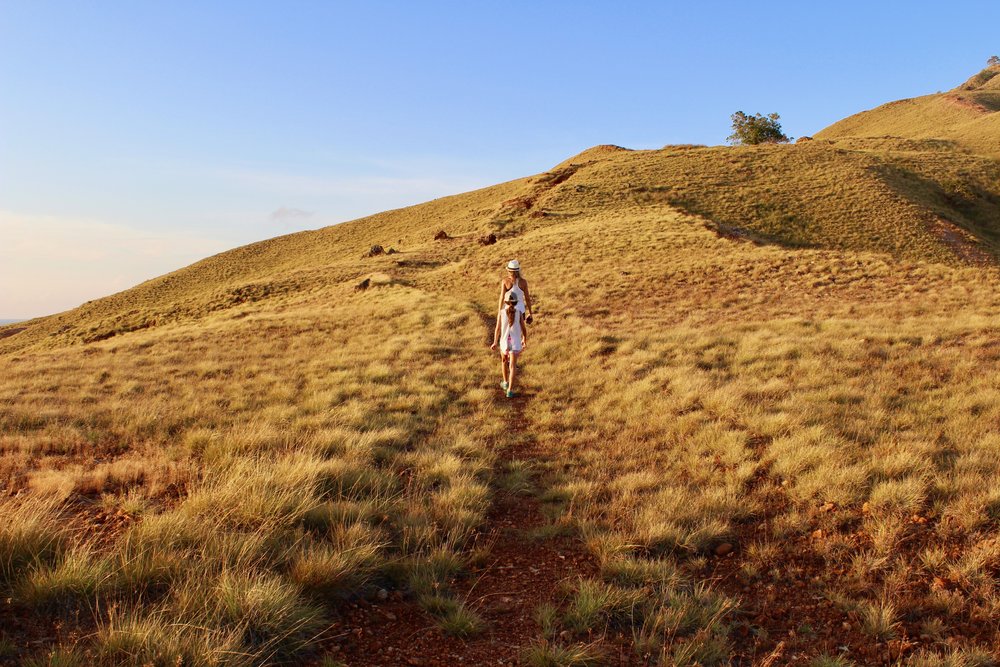
    Komodo national park have a lot of beautiful islands you can explore, you can choose where you can trek, either in Gili Lawa darat, Padar island, Sebayu Besar, Rinca or Komodo island. These places is decorated with vast grassland and beautiful sunset view overlooking the bay. These island preserved well along the passing time. You can visit all of these island with a boat trip from Labuan Bajo. Make sure to prepare your drinks and sunscreen and enjoy the magnificent view that they have to offer.

    Meet The Ancient Dragons

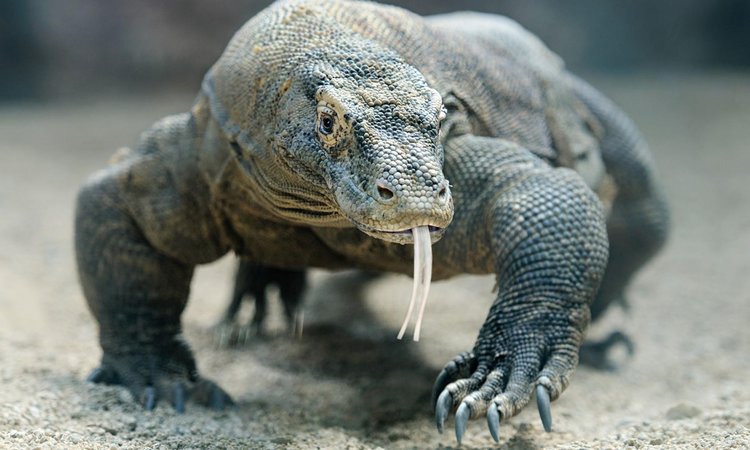
    komodod dragon in the naational park
    source : heloflores.com

    Komodo national Park’s main attraction, the komodo dragon are unique to Indonesia and can only be found in the Komodo National Park, which consists of a tiny group of islands. Adult males can grow to be up to 3 meters long and weigh up to 136 kg, making them the largest living lizard on the planet. It is the largest predator on the islands, and it is the apex predator. They prey on much larger animals such as deer and water buffalo with their poisonous bite, strong serrated teeth, and long claws. Komodo have pretty weak sense of hearing and seeing, but make up for it with its powerful sense of smell but using its forked tongue. 

    You can encounter them in Inca island or komodo island. If you want to meet them in person, you have to be accompanied by a guide. So make sure to consult your guide about every activity that you want to do in the island.

    Diving in the Komodo National Park sea

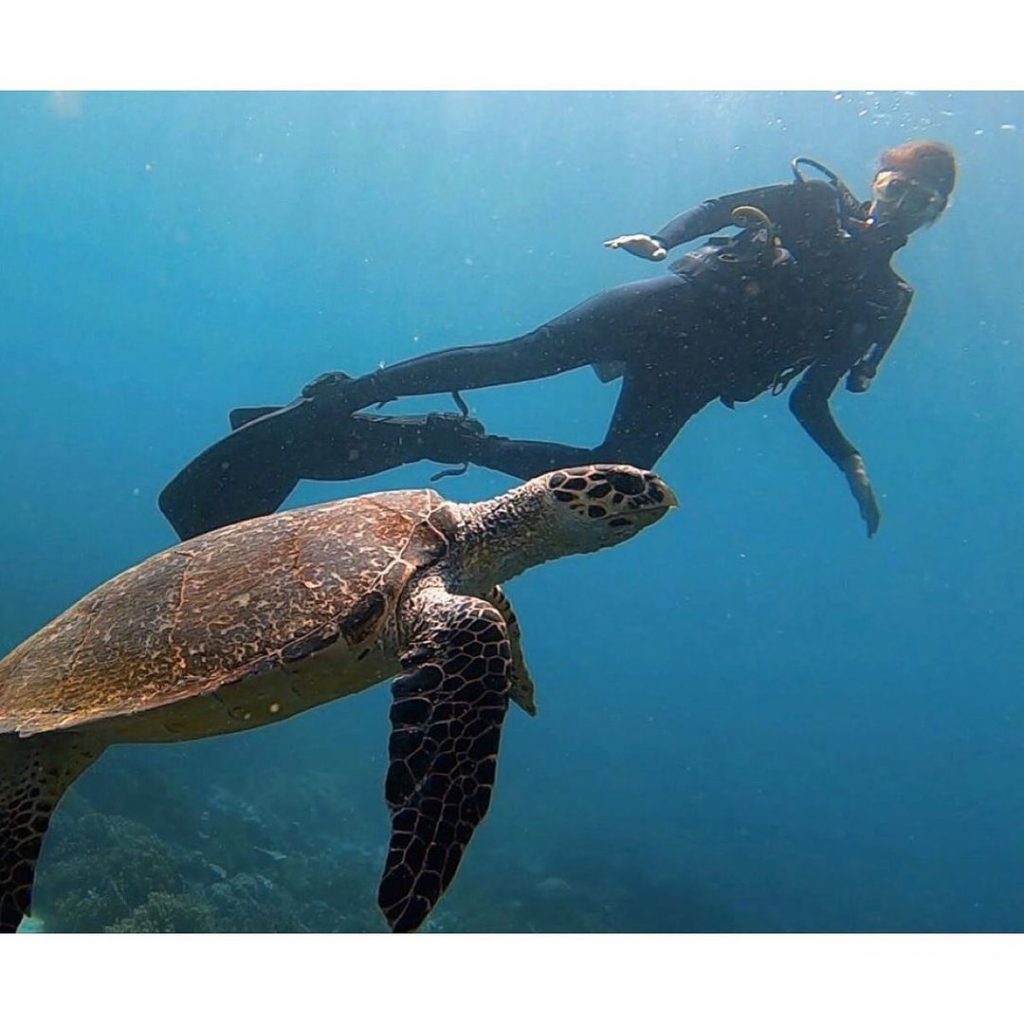
    diving in flores seas, komodo national park diving
    source : instagram @kks.world

    Komodo Naitonal park have a lot of diving spot that you can visit, but mostly its only for advanced diver because of the strong current that may surprise beginners. There are spot like Batu bolong where you can meet colorful corals and fishes. If you want to meet manta rays however, you have to go to Karang Makassar where you can meet manta ray at about 6 – 12 meters deep. Beside those 2, there’s also  crystal rock, batu tiga, siaba besar and tatawa kecil. If you want the best experience for diving in komodo national park, you should book a liveaboard trip that visil the whole national park so you can get the full experience.

    Read more easiest wreck diving spot for beginners

  • Planning A Safe And Joyful Solo Travel As A Woman

    Even though we are living in such a modern society now, travelling safely as a woman is still considered as challenging. Women travelers don’t receive equal treatment especially when they are travelling solo. There are different risks and dangers that make why some women refuse to travel alone. However, this should not discourage you from having a great adventure of your life as female traveler. You can rock your trip safely by planning it well.

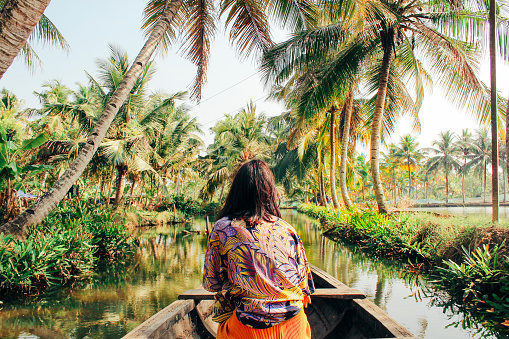
    A young woman kayaks through the backwaters of Monroe Island in Kollam District, Kerala, South India.

    How to travel safely and comfortably as a woman

    It is not impossible for female travelers to have a great experience travelling all around the world without putting themselves in danger. The key is to have a good plan and follow guide from seasoned travelers. So here are some useful tips for female travelers to venture the world safely:

    Consider getting a travel insurance

    If you don’t have travel insurance, might as well consider buying one now especially if you plan on having a trip. It is indeed expensive but it is very reliable for a trip that is mostly unpredictable regardless how meticulous you are with your preparation. You should expect for the unexpected and travel insurance is what can cover the expenses during unpredictable times throughout your trip.

    Get vaccinated in advance

    Prior the trip, make sure to get vaccinated especially if you are planning on visiting high-risk destinations. You don’t want to return with a disease or virus hijacking your body. Find more information about needed vaccinations for each country then talk to your doctor. 

    Prepare all necessary documents

    Prepare all document needed for smooth travel. Also, make sure to have copy of them both in electronic and physical forms. It is to anticipate if you lose your documents during your trip. Also, it will be beneficial to download useful apps on your phone prior the trip. Hence, you can navigate your trip better. 

    Get the best travel gears

    It doesn’t mean you have to spend a fortune to buy some basic travel gears. The most important thing is that you choose the ones you really need. Pack light and smart so that you won’t end up dragging a huge luggage through the entire trip. 

    Learn basic self-defense

    It will be very helpful if you learn self-defense. It helps you to keep your confidence while exploring new places. You know how to defense yourself and get out of dangerous situation. You will feel more assured when you have self-defense skill because you know you can handle yourself even when you are alone and no one to rely on. 

    Educate yourself and stay in safe zone 

    Educate yourself about your destination, its culture, potential risks, threats, transport, travel scams, etc. This helps you to feel more prepared because you know what to expect. Always stay in the safe zone such as avoiding secluded places, booking the best accommodation, dressing appropriately, etc. Also, trust your gut since it is your most powerful compass to rely on in any given situation so you are able to make the right decision.

  • Labuan Bajo Open Trip, Explore the Charm of East Indonesia

    Choosing an open trip to Labuan Bajo can be said to be difficult and easy. Open trip Labuan Bajo service providers are already widely scattered on Instagram and on the Google search engine. However, news of open trip scams often haunts adventurers. How to choose an open trip Labuan Bajo and explore the charm of east Indonesia?

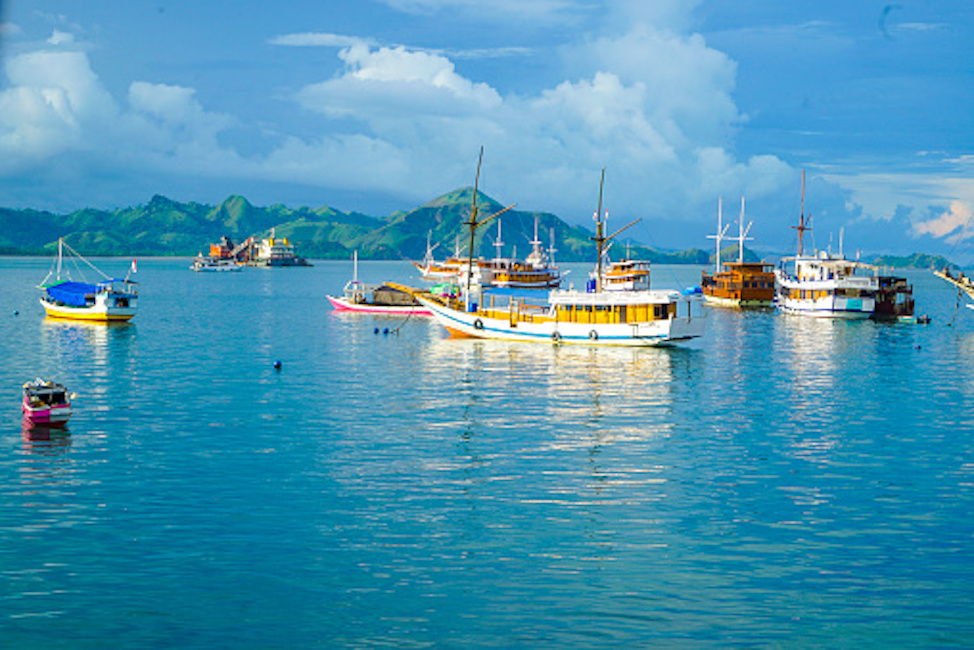
    Labuan Bajo Port with Phinisi Boat and speedboat transportation

    A credible Open Trip Labuan Bajo

    Cheap prices are often deceptive, so the first thing to pay attention to is the credibility of the open trip. Professional or not an open trip, not only seen from the website page.

    In the past, websites with paid domains were a reference for trust, now websites with .com or .co.id domains can be dubious because the cost of making websites and domains is very cheap.

    Tricks for choosing an open trip to Labuan Bajo

    Don’t just look at the travel agent’s website. Pay attention to their social media. First, check your Instagram, Facebook, or Twitter account.

    It’s not just looking at the high number of likes or followers. Most importantly, the engagement that the owner of the open trip builds with his followers. If the interaction is good, many give positive comments, the open trip service can be trusted for its credibility.

    Don’t get hung up on cheap open trip prices

    To note, normally, the price for an open trip to Labuan Bajo 3 days 2 nights ranges from IDR 2 million to 2.5 million for 8-12 people. Meanwhile, if there are only five of you, the cost is around IDR 3 million per person. The fewer the number of participants on the tour, the more expensive the price to be paid. The facilities and services provided also affect the price you pay.

    The price you pay includes the cost of the ship live on board for 3 days (AC Cabin), meals during the trip on the ship, mineral water, tea and coffee, guide, life jacket, documentation, snorkeling equipment (masks and snorkel), standard first aid kit, admission ticket, pick up at hotel or airport.

    Well, if you get an open trip price that is far from the normal price or even too expensive, it’s better to be vigilant.

    Plan your itinerary

    Most importantly, the itinerary. Itinerary or travel plans are crucial when on vacation.

    Pay attention to which destinations are offered and adjust to your wishes. Usually, the open trip provides several choices of popular destinations such as Kelor Island, Rinca Island, Kalong Island, Padar Island, Pink Beach, Manta Point, Gili Lawa, and Kanawa Island.

    However, if you want a city & cultural tour, you should look for an open trip to Labuan Bajo that provides these destinations.

    Contact the open trip admin to be more convincing

    After you are sure of open trip service of your choice, contact the admin of the open trip. Well, from here you will know how professional the open trip is.

    If the open trip admin replies to your message briefly, you should be suspicious. Because the service industry will provide the best service.

    In addition, if you contact directly by telephone, then answer in a polite and friendly manner, you can trust the open trip service. However, stay alert.

    Read Also

    Flores Komodo Tour, Guide to Island Hopping
    Embark Your Sailing with Luxury Yachts Indonesia

  • Flores Komodo Tour, Guide to Island Hopping

    Flores tour packages are a real adventure, staying on the boat for days, spanning islands big and small. It’s a few islands up the chain from Bali, and it’s the starting point for more isolated excursions. Flores Komodo tour, snorkeling in the protected waters of the 17 Islands Marine Park and climbing Mount Kelimutu’s sacred top are all options. Church spires punctuate Flores’ skyline amid volcanic mountains and clusters of thatched-roof dwellings, indicating that Catholicism is the main faith.

    Flores Komodo Tour, Guide to Island Hopping

    Flores Komodo Tour, How to see Komodo Dragon

    If you plan to visit Flores, you should book a Flores tour package. In this essay, we’ll explain which Flores Komodo tour is best for seeing komodo dragons. The iconic pink beach, Komodo National Park, and breathtaking vistas from Padar Island are included.

    Aside from vacationing in Bali or the Gili Islands, Flores is a must-see destination. You must visit if you want to observe rare creatures, breathtaking scenery, or spend a few hours on an isolated island.

    Flores komodo boat tour
    [

    Yacht Labuan Bajo is always available and many boat providers offer attractive packages to explore Flores, Komodo National Park from Bali, and Labuan Bajo. Flying into Bali, which has good long-haul flight connections, is the simplest way to travel to Flores. After spending the night in Bali, take a local aircraft to Labuan Bajo on Flores’ western tip.

    For solo traveling, you can go directly to the pier to take a fishing boat that design into a private boat. This ship will take you to explore Komodo National Park. You can be the first to put foot on shore the next morning if you moor near to the islands.

    If you go with a group, renting a private boat from Labuan Bajo is highly recommend. A private boat gave us more flexibility. You can negotiate with the Flores Komodo tour provider to design an itinerary to reach popular tourist destinations with spectacular views. It is very possible if you want to try to negotiate prices with snorkeling facilities and diving equipment or other water activities.

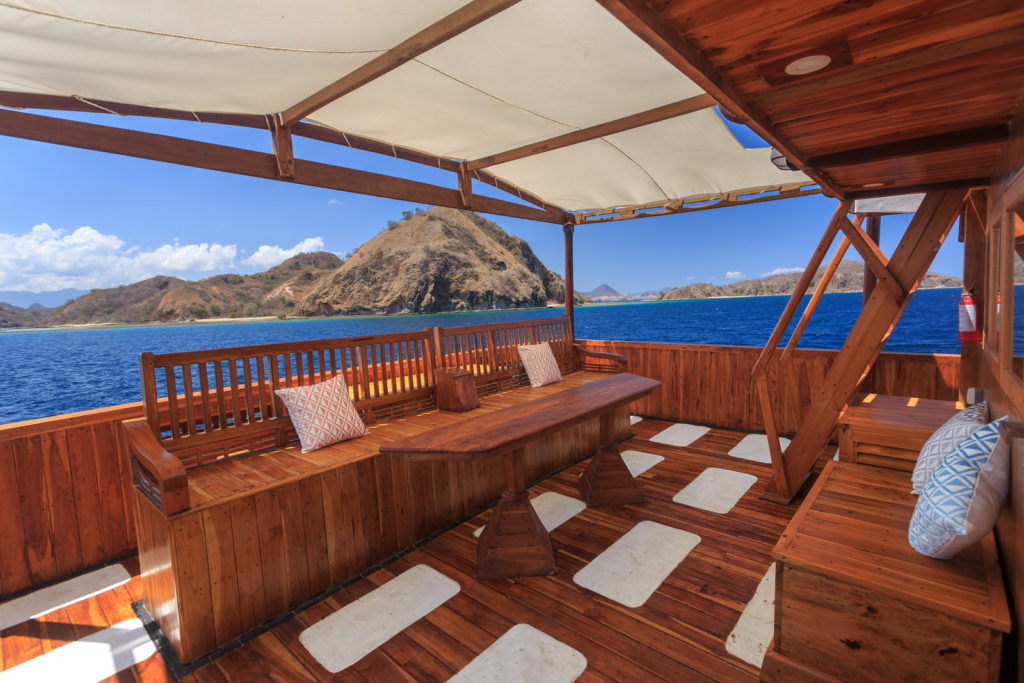
    Private boat Flores Komodo tour is the right choice for island hopping. You will save a lot of time to reach many small and big islands. You will stay for days on a private boat with complete facilities and as comfortable as a five-star hotel. If you land and trekking to see the Komodo dragon, do not turn your back on your guide. You are completely safe, and he knows where to find you and will defend you. A few tourists were assaulted by dragons after walking away from their escorts to grab a selfie or photograph.

    Read also:

    Embark Your Sailing with Luxury Yachts Indonesia
    Open Trip Labuan Bajo, Exploring Remarkable Diving Spots