Category: Blogging

  • How to Choose a Liveaboard Dive Trip Route in Komodo for the Marine Life You Want to See

    How to Choose a Liveaboard Dive Trip Route in Komodo for the Marine Life You Want to See

    Start your planning with this guide to diving in Komodo National Park, where manta cleaning stations, current-swept pinnacles, turtles, sharks, and colorful coral reefs can shape very different underwater experiences.

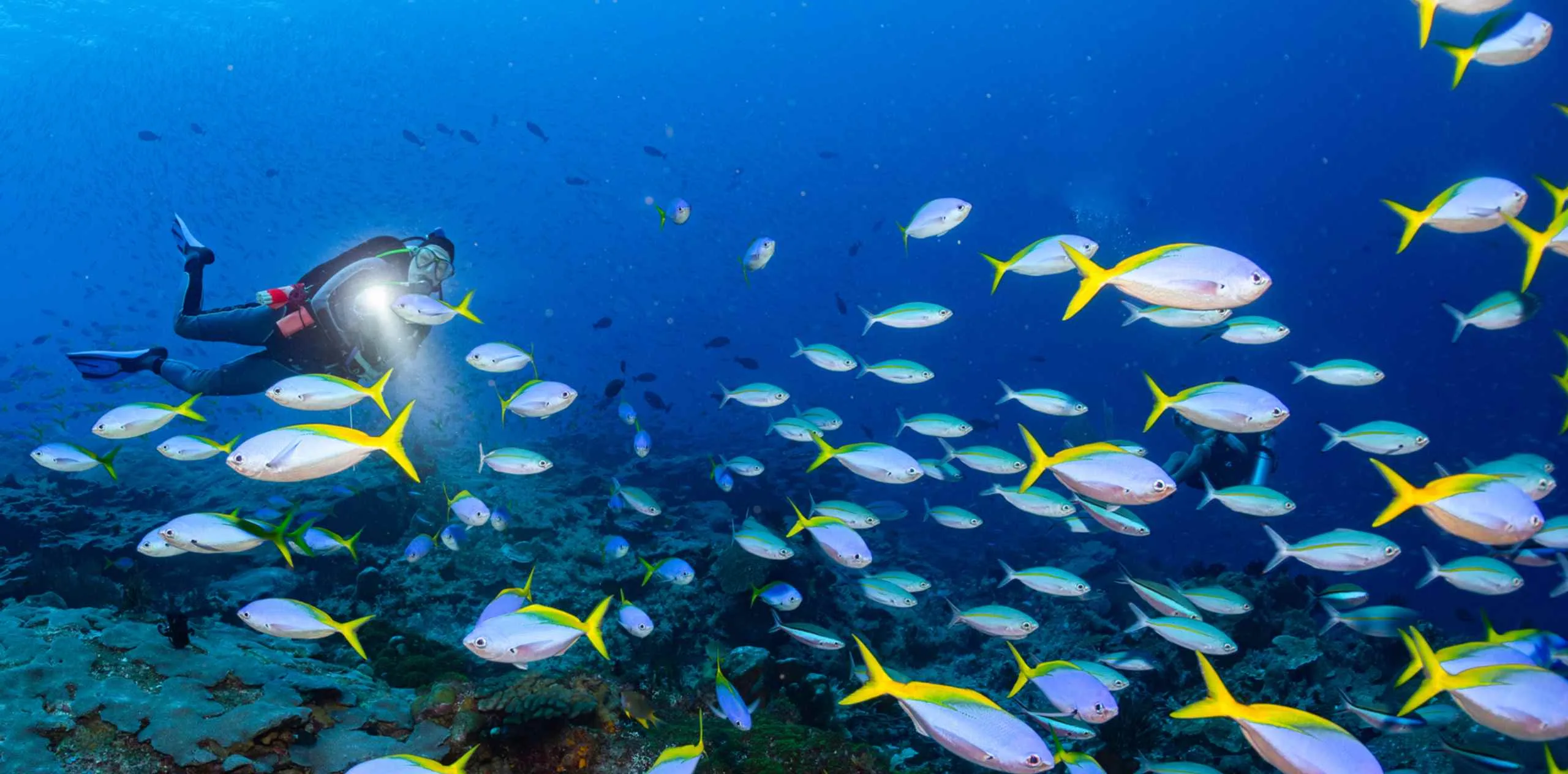
    A liveaboard dive trip in Komodo is not simply about choosing the longest itinerary or ticking off famous dive sites. The smartest route is the one that matches the marine life you most want to encounter. Komodo National Park is part of one of Indonesia’s richest marine environments, with more than 1,000 species of bony fish and over 260 species of reef-building coral. Its strong currents and nutrient-rich waters also support turtles, sharks, rays, dolphins, whales, and dugongs.

    Start With the Marine Life You Want Most

    Before comparing boats or departure dates, decide which encounters matter most. A diver hoping to spend time with manta rays needs a different route than someone seeking schooling pelagic fish, dramatic coral landscapes, or macro photography.

    Komodo is not a uniform diving area. Conditions vary across the northern, central, and southern sections of the park, and currents, water temperature, visibility, and exposure can influence what divers encounter.

    This makes flexibility an important part of route selection. Rather than choosing an itinerary only because it includes famous dive-site names, look for a schedule that can adapt to conditions.

    Choose Central Komodo for Manta Rays and Variety

    If manta rays are high on your wish list, Central Komodo deserves particular attention.

    Hello Flores highlights Mauan, opposite Siaba Besar, as a manta cleaning station where rays may circle while small cleaner fish remove parasites. The site also offers opportunities to encounter turtles, scorpionfish, soft corals, and other reef life. Nearby, Siaba Besar is known for shallower coral environments and frequent green turtle encounters.

    For many travelers, this is where a liveaboard dive trip becomes especially valuable. Staying aboard allows an itinerary to spend more time around productive diving areas and potentially adjust the schedule when tides and conditions are more favorable.

    Central Komodo can also work naturally within a broader Komodo tour, balancing underwater exploration with some of the region’s best-known land experiences.

    Head North for Currents and Pelagic Action

    Divers who enjoy reef sharks, schooling tuna, trevally, barracuda, and energetic diving may want more time in northern Komodo.

    Castle Rock, for example, is an underwater pinnacle where Hello Flores highlights reef sharks, tuna, barracuda, giant trevally, and other large marine life. Crystal Rock is also recommended for experienced divers because of its strong currents and active pelagic environment.

    Rather than asking only whether these sites appear on the itinerary, ask how the operator plans dives around current direction and local conditions.

    A marine-life-focused liveaboard dive trip should follow conditions rather than a rigid list of locations. Experienced guides can adjust the dive sequence as needed, helping balance safety with the opportunity for rewarding marine encounters.

    Explore Southern Komodo for a Different Underwater Experience

    Southern Komodo can reveal another side of the national park. Changes in water conditions and underwater environments mean divers can experience very different marine landscapes within the same destination.

    That variety is valuable for travelers who want more than repeated reef dives. A route covering several areas can reveal how Komodo’s underwater character changes from one section of the park to another.

    For travelers comparing a Komodo Island tour with a dedicated diving itinerary, this distinction matters. A sightseeing-focused schedule may prioritize land attractions, while a diving itinerary needs enough time and flexibility to reach suitable underwater locations.

    Do Not Overlook Macro Life and Photography

    Komodo’s reputation for mantas, sharks, currents, and schooling fish can overshadow its smaller underwater subjects.

    Protected reefs and slower dives can provide opportunities for photographers interested in nudibranchs, crustaceans, scorpionfish, cuttlefish, and detailed coral scenes. Hello Flores, for example, notes flamboyant cuttlefish and stonefish around Siaba Besar.

    If underwater photography is your priority, tell the operator before booking. Your ideal route may require slower-paced dives, repeat visits, suitable guide ratios, and groups organized around similar interests.

    This is another reason a liveaboard dive trip can work well for dedicated photographers: the itinerary can give more attention to underwater experiences rather than simply moving quickly between tourist landmarks.

    Match the Route to Your Diving Experience

    Marine-life goals should never come before safety.

    Several well-known Komodo sites can involve strong currents and drift diving. Hello Flores specifically describes Crystal Rock as suitable for advanced divers due to current conditions, while Cauldron is known as a drift dive whose direction changes with the current.

    Before booking, ask about:

    • Recommended certification level
    • Suggested number of logged dives
    • Guide-to-diver ratio
    • Nitrox availability
    • Current-diving experience
    • How groups are divided by ability

    A strong operator should explain why particular sites are appropriate for your experience level rather than promising access to every famous location.

    Combine Diving With Komodo’s Land Highlights

    A dive-focused journey does not mean ignoring the scenery above water.

    A stop on Komodo Island can introduce the park’s famous terrestrial wildlife, while Padar Island offers one of the region’s most recognizable viewpoints. UNESCO identifies Komodo, Rinca, and Padar as the park’s three major islands, surrounded by numerous smaller volcanic islands.

    If you are organizing a Labuan Bajo trip, compare itineraries carefully. An open trip Labuan Bajo option may focus more heavily on sightseeing and group travel, while a specialized Komodo boat tour may dedicate more time to snorkeling or diving.

    Likewise, a general Komodo tour package or Labuan Bajo tour may visit several iconic landmarks but provide fewer opportunities for serious diving.

    The best choice depends on whether your priority is marine life, sightseeing, or a balance between the two.

    Ask the Right Questions Before Booking

    Before confirming your route, ask which marine encounter the itinerary is designed around, how many dives are planned, and whether the schedule can change based on weather, currents, and wildlife conditions.

    You should also ask whether your chosen sites match your certification level and whether the operator can spend additional time in productive areas when conditions allow.

    There is no single perfect Komodo itinerary. A manta enthusiast, macro photographer, shark lover, and first-time diver could all choose different routes and still experience the destination at its best.

    The key is to start with the marine life you care about most, then select the route, diving areas, boat, and guide team that can realistically support those priorities. In Komodo, flexibility can be just as valuable as the destination list itself.
  • 日本のホテルグルメ:最高の体験を求めて – 厳選ガイド

    日本のホテルグルメ:最高の体験を求めて – 厳選ガイド

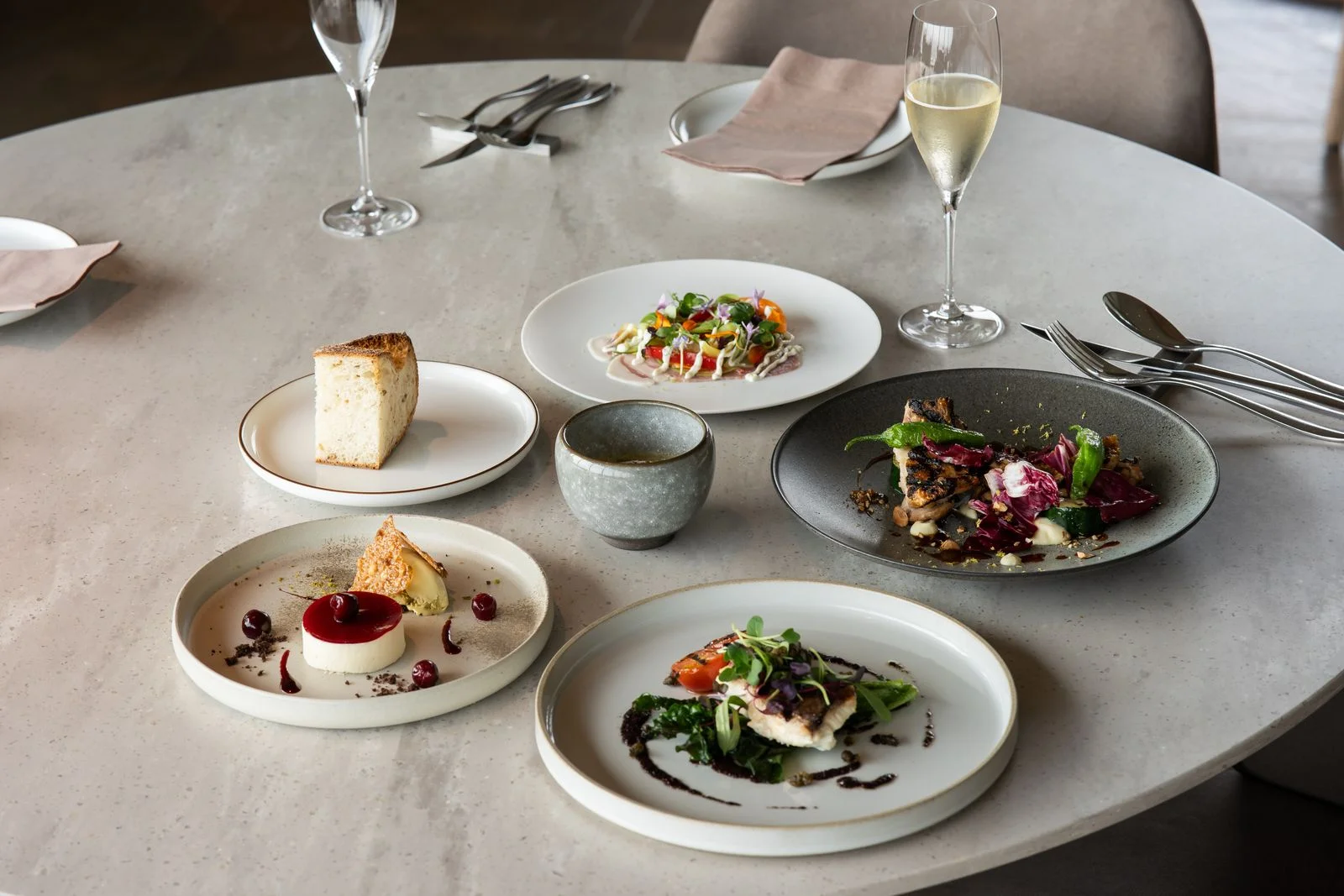
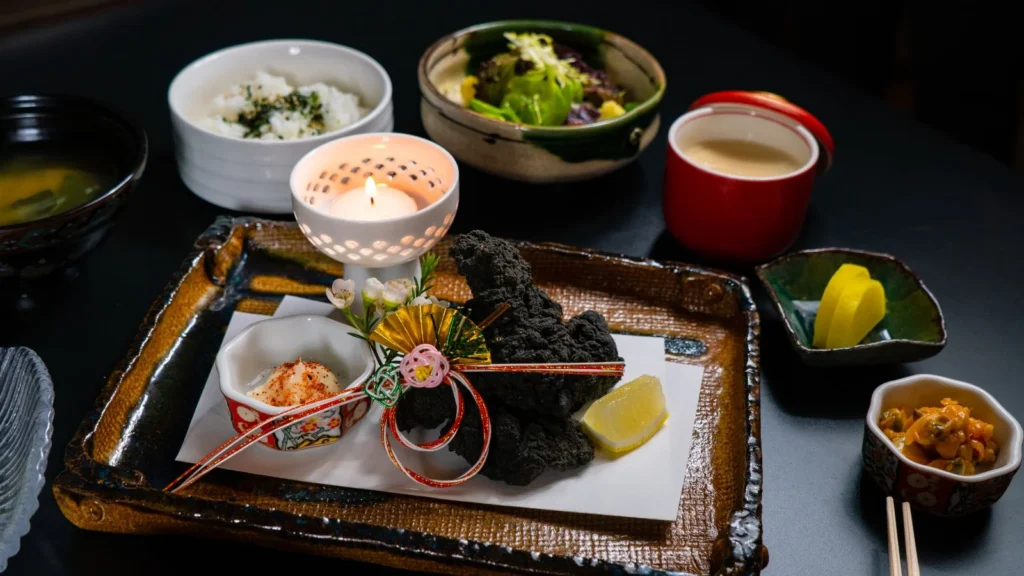
    日本は世界有数の美食の国として知られていますが、近年特に注目を集めているのが、ホテルで提供される「日本 ホテル グルメ」です。一流のシェフが腕を振るうレストランから、地元食材を活かしたこだわりの朝食、そして洗練されたラウンジでの優雅なひとときまで、日本のホテルは宿泊体験を超えた、記憶に残る食の感動を提供しています。この記事では、日本のホテルが誇る多種多様なグルメの世界を深掘りし、あなたの旅をより豊かにする美食体験を見つけるための完全ガイドをお届けします。

    日本 ホテル グルメの魅力とは?

    dento kaiseki ryori

    なぜ今、ホテルの食事がこれほどまでに人気なのでしょうか。その魅力は多岐にわたります。

    高品質なサービスと空間

    ホテルレストランの大きな特徴は、その非日常的な空間と質の高いサービスにあります。細部にまで配慮された内装、行き届いたサービス、そして素晴らしい眺望は、食事の時間を特別なものに変えてくれます。ビジネスでの会食から家族の記念日まで、あらゆるシーンに対応できるホスピタリティが魅力です。

    国内外の著名シェフによる料理

    多くの有名ホテルでは、国内外で高い評価を受ける著名なシェフが厨房を率いています。彼らは伝統的な日本料理から革新的なフレンチ、イタリアン、中華まで、世界中の料理を最高水準で提供。季節ごとの旬の食材を最大限に活かし、芸術的な一皿を創造します。

    Explore More: 世界のトップシェフが愛する日本の食材

    厳選された食材へのこだわり

    ホテルグルメのもう一つの特徴は、食材への徹底したこだわりです。地元の契約農家から届く新鮮な野菜、日本各地から直送される旬の魚介類、そして厳格な基準で選ばれた肉類など、最高品質の食材を惜しみなく使用。食の安全と品質を追求する姿勢は、ゲストに安心と満足をもたらします。

    多様なダイニング体験

    ホテルは、単一のレストランだけでなく、様々なコンセプトのダイニングを提供しています。ミシュラン星を獲得した高級レストラン、活気あふれるオールデイダイニング、落ち着いた雰囲気の日本料理店、そして開放的なテラス席など、その日の気分や目的に合わせて選べるのが魅力です。

    シーン別!日本 ホテル グルメの楽しみ方

    ホテルの食は、利用するシーンによってその楽しみ方も大きく変わります。

    特別な日のディナー

    誕生日や記念日、プロポーズといった特別な日には、ホテルならではの豪華なディナーが最適です。夜景を一望できる高層階のレストランで、洗練されたコース料理とワインを堪能する時間は、忘れられない思い出となるでしょう。個室の利用や、サプライズ演出の相談も可能です。

    カジュアルなランチ・カフェ

    友人とのランチやビジネスミーティングには、ホテルのカジュアルダイニングやカフェがおすすめです。季節ごとに変わるランチコースや、見た目にも美しいスイーツは、日常に彩りを添えてくれます。開放的なロビーラウンジでは、軽食とともにリラックスした時間を過ごせます。

    Explore More: 日本のホテルのロビーラウンジで過ごす優雅な時間

    至福の朝食体験

    ホテルの朝食は、その日の始まりを最高の気分で迎えるための大切な要素です。和食と洋食が豊富に揃ったビュッフェ、丁寧に作られた和定食、あるいは部屋でゆっくりと味わうルームサービスなど、選択肢は様々。特に、地域色豊かな地元の食材を使った朝食は、その土地ならではの魅力を感じさせてくれます。

    バー・ラウンジでの一時

    一日の終わりに、ホテルのバーやラウンジで過ごす時間は格別です。きらめく夜景を眺めながら、バーテンダーが趣向を凝らしたカクテルや厳選されたワインを味わう。静かで落ち着いた雰囲気は、大人だけの贅沢な時間を提供してくれます。

    地域別!注目すべき日本 ホテル グルメ

    nihon hoteru choshoku baiku

    日本全国には、それぞれの地域が持つ特色を活かした素晴らしいホテルグルメが点在しています。

    東京:世界の美食が集まる場所

    日本の首都東京には、世界中からトップシェフが集まり、常に最先端のガストロノミーを提供しています。ミシュラン星を獲得したレストランも数多く、フレンチ、イタリアン、日本料理、中華など、あらゆるジャンルで最高の食体験が可能です。高層ホテルのダイニングからは、壮大な都市のパノラマが広がります。

    京都:伝統と革新の和食

    古都京都では、伝統的な京料理を現代的に解釈したホテルダイニングが人気です。旬の食材を繊細な盛り付けで提供する懐石料理は、目と舌で楽しめる芸術品。歴史ある町家を改装したホテルでは、和の情緒あふれる空間で、心安らぐ食事が味わえます。

    北海道:豊かな大地の恵み

    海の幸、山の幸に恵まれた北海道では、新鮮な食材を活かしたグルメが楽しめます。札幌市内のホテルでは、新鮮な魚介を使った海鮮料理はもちろん、酪農王国ならではの乳製品や、広大な大地で育った野菜や肉を使った料理が豊富です。特に、上質な食材を活かした軽食やスイーツも充実しており、午後のひとときを彩る選択肢も多く、例えば札幌 アフタヌーンティーなどは、その洗練された空間と美しいプレゼンテーションで人気を博しています。

    沖縄:亜熱帯の味覚とリゾート感

    亜熱帯の気候が育む独特の食材が魅力の沖縄。リゾートホテルでは、琉球料理をベースにした創作料理や、新鮮な海鮮を使ったバーベキュー、開放的な空間でのビュッフェなどが楽しめます。夕日を眺めながらのディナーは、まさにリゾートグルメの醍醐味です。

    Explore More: 地域ごとの食文化を体験する日本の旅

    日本 ホテル グルメを選ぶ際のポイント

    数あるホテルグルメの中から、自分にぴったりの一軒を見つけるためには、いくつかのポイントがあります。

    目的と予算

    どのようなシーンで利用したいのか、そしてどの程度の予算を考えているのかを明確にしましょう。記念日などの特別な日であれば高級レストラン、友人との気軽な集まりであればカジュアルダイニングやカフェ、など目的によって選ぶべき場所は異なります。

    料理の種類と雰囲気

    フレンチ、イタリアン、日本料理、中華など、食べたい料理のジャンルを決めましょう。また、レストランの雰囲気も重要です。賑やかなオープンキッチンが好きか、静かで落ち着いた空間を好むかなど、好みに合わせて選びましょう。

    予約の重要性

    特に人気のホテルレストランや週末、祝日は予約が必須です。インターネット予約や電話で、事前に席を確保することをおすすめします。窓際席や個室を希望する場合は、早めの予約が肝心です。

    ドレスコード

    一部の高級ホテルレストランでは、ドレスコードが設けられている場合があります。「スマートカジュアル」や「ビジネスアタイア」など、事前に確認し、場にふさわしい服装で訪れましょう。

    まとめ

    日本のホテルグルメは、単なる食事の場所ではなく、非日常を味わい、特別な思い出を作るための舞台です。一流の料理、質の高いサービス、そして洗練された空間が織りなす極上の食体験は、一度味わえば忘れられない感動を与えてくれるでしょう。この記事で紹介した情報を参考に、あなたの次なる「日本 ホテル グルメ」の旅を計画し、日本ならではの素晴らしい美食の世界を心ゆくまで堪能してください。

  • Best Malls in Bali for Shopping, Dining, and Entertainment

    Best Malls in Bali for Shopping, Dining, and Entertainment

    Finding the best malls in Bali is about discovering places that offer more than retail stores. Many of the island’s shopping malls have evolved into lifestyle destinations where visitors can enjoy dining, entertainment, family activities, and comfortable public spaces alongside a wide selection of local and international brands.

    While traditional markets remain an important part of Bali’s shopping culture, malls provide a different experience that is convenient throughout the day. They’re especially popular when travelers want to escape the afternoon heat or spend several relaxing hours in one location.

    Quick Highlights

    • Comfortable indoor shopping environments.
    • International and local retail brands.
    • Restaurants, cafés, and dessert shops.
    • Entertainment for families and groups.
    • Convenient destinations for all-weather visits.

    Why Visit a Mall While Exploring Bali?

    Shopping malls have become an essential part of Bali’s modern lifestyle. Beyond retail, they bring together food, leisure, and entertainment, allowing visitors to enjoy multiple experiences without traveling across different parts of the island. This makes them an excellent option for families, couples, and groups looking for a flexible day out.

    If you’re planning a full shopping itinerary, our complete shopping places in bali guide explores a wider range of destinations, including traditional markets, boutique streets, lifestyle hubs, and modern retail centers across the island.

    What Makes Bali’s Malls Different?

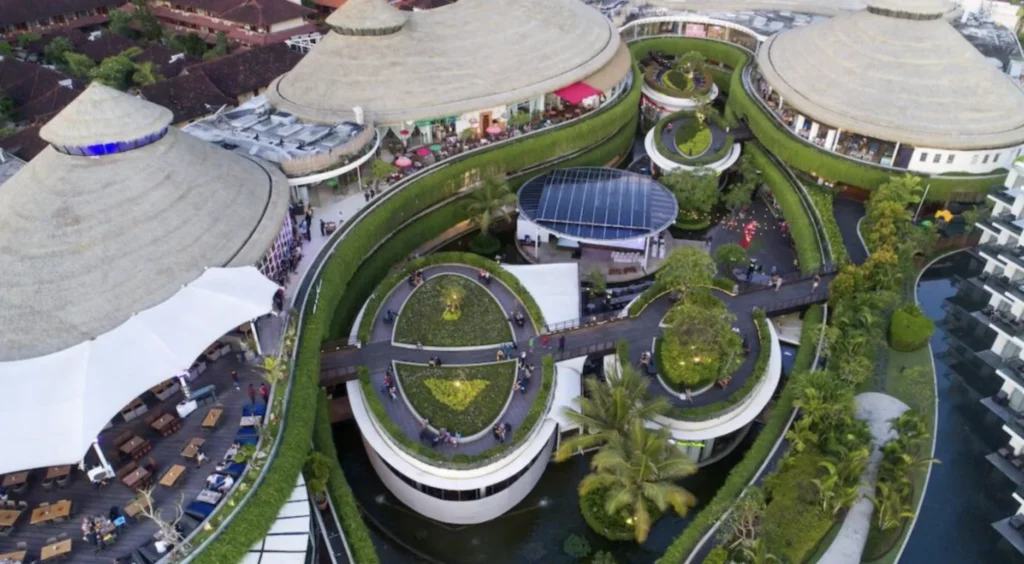
    Unlike conventional malls found in many cities, several retail destinations in Bali embrace tropical architecture, open-air concepts, and landscaped public spaces. These design elements create a more relaxed atmosphere where visitors can comfortably spend time beyond simply shopping.

    A Complete Lifestyle Experience

    Modern malls now combine shopping with cafés, cinemas, children’s play areas, fitness facilities, and community events. This variety allows every member of the group to enjoy the visit regardless of their interests, making malls one of the easiest places to spend an afternoon together.

    Read Also: Family Shopping in Bali

    A Mix of Global and Local Brands

    Visitors can browse international fashion labels alongside locally owned boutiques that showcase Balinese creativity. This combination offers a broader shopping experience while introducing travelers to products they may not find elsewhere on the island.

    Read Also: Boutique Shopping in Bali

    Convenient for Every Season

    Exploring modern malls bali is also a practical option during hotter afternoons or occasional rainy weather. Comfortable indoor spaces make it possible to continue enjoying the day while shopping, dining, or simply taking a break before visiting your next destination.

    Read Also: Outlet Shopping in Bali

    In the next section, we’ll look at the different types of shopping malls across Bali, what visitors can expect, and useful tips for planning a more enjoyable shopping experience.

    What You’ll Find Inside Bali’s Shopping Malls

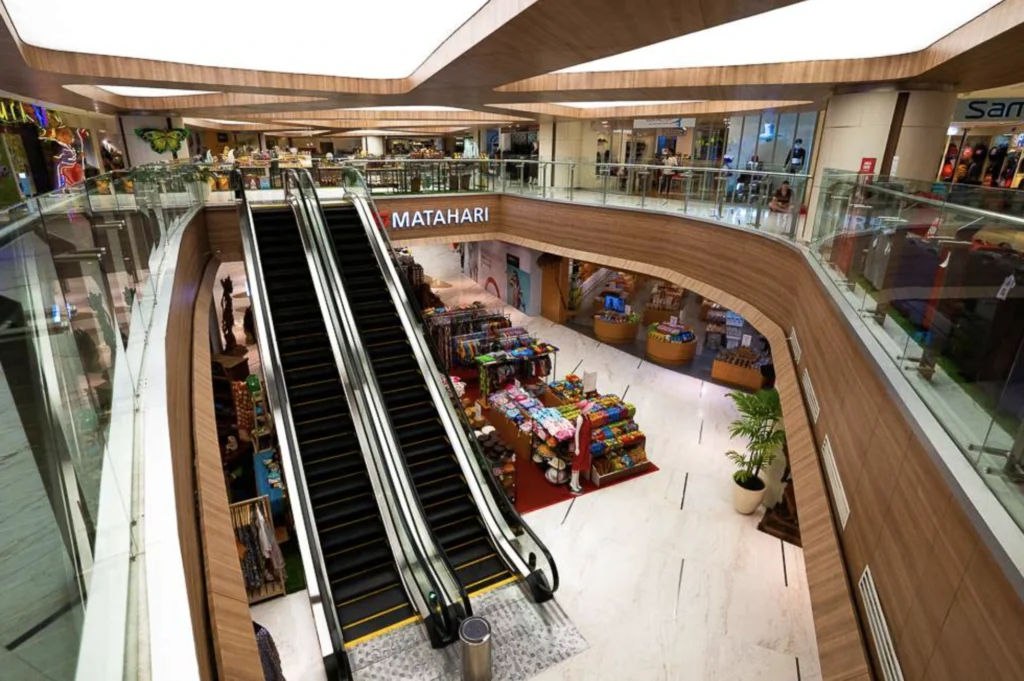
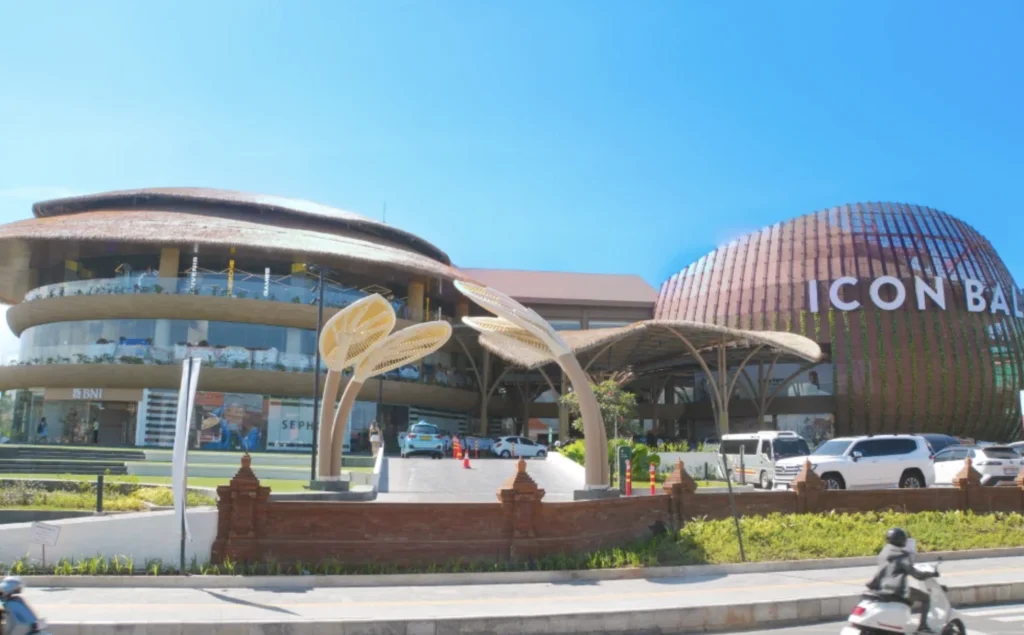
    modern mall bali

    Shopping malls in Bali have expanded well beyond their traditional role as retail centers. Today, they’re designed as social spaces where visitors can shop, dine, relax, and spend quality time with family or friends. Whether you’re visiting for an hour or an entire afternoon, there’s usually something for every age group.

    Fashion and Lifestyle Stores

    Many malls feature a balanced selection of international fashion labels alongside local brands that showcase Bali’s growing creative industry. This variety allows visitors to explore global trends while discovering products designed by Indonesian entrepreneurs and artisans.

    Read Also: Luxury Shopping in Bali

    Dining and Entertainment

    A shopping trip often includes much more than browsing stores. Restaurants, cafés, dessert shops, cinemas, and entertainment venues encourage visitors to extend their stay, turning a simple retail visit into a relaxed day out.

    Read Also: Best Cafés in Bali

    Family-Friendly Facilities

    Many family malls bali include children’s playgrounds, baby facilities, spacious seating areas, and accessible pathways, making them comfortable destinations for visitors traveling with children or older family members.

    Read Also: Family Shopping in Bali

    Choosing the Right Mall

    Not every shopping mall offers the same experience. Some focus on premium retail brands, while others emphasize dining, entertainment, or family-friendly activities. Choosing the right destination depends on how you plan to spend your time rather than simply how many stores are available.

    • Visit lifestyle malls for a combination of shopping and dining.
    • Choose larger malls if you’re looking for international brands.
    • Look for open-air retail concepts if you enjoy tropical surroundings.
    • Consider family-oriented malls when traveling with children.

    City Review

    The most enjoyable shopping malls are those where you don’t feel pressured to shop. Comfortable public spaces, good restaurants, and a welcoming atmosphere often make visitors stay much longer than they originally planned.

    As Bali continues to develop as a lifestyle destination, shopping malls are becoming community spaces that host seasonal events, exhibitions, and family activities alongside retail experiences. This evolution creates destinations that feel lively throughout the day rather than serving only as places to shop.

    Tips for a Better Mall Experience

    A little planning can make your shopping trip far more enjoyable. Visiting during weekday mornings or early afternoons usually means fewer crowds, making it easier to browse stores, enjoy restaurants, and explore public spaces at a comfortable pace.

    • Visit earlier in the day for a more relaxed atmosphere.
    • Wear comfortable footwear if you plan to explore multiple levels.
    • Leave extra time for dining and entertainment.
    • Compare local boutiques with international brands.
    • Take advantage of public seating areas between shopping sessions.

    Frequently Asked Questions

    Are shopping malls in Bali open every day?

    Most shopping malls operate daily, although opening hours may vary slightly between locations. Restaurants and entertainment venues inside the malls can also have different schedules.

    Do Bali malls only offer international brands?

    No. Many malls feature a combination of international retailers and locally owned brands, giving visitors the opportunity to discover products created by Indonesian designers alongside well-known global labels.

    Are shopping malls suitable for families?

    Yes. Most malls provide family-friendly facilities such as children’s play areas, baby-changing rooms, spacious food courts, elevators, and accessible walkways, making them comfortable for visitors of all ages.

    What can I do besides shopping?

    Many malls include cafés, restaurants, cinemas, fitness centers, seasonal events, and entertainment venues, allowing visitors to enjoy a full day without focusing solely on retail.

    Final Thoughts

    The best malls in Bali offer far more than convenient shopping. They provide welcoming spaces where retail, dining, entertainment, and relaxation come together, creating experiences that appeal to solo travelers, couples, families, and groups alike. Whether you’re escaping the afternoon heat or planning a leisurely day out, Bali’s malls offer something for everyone.

    Rather than rushing from one store to another, take time to enjoy the atmosphere, discover local brands, and experience how modern retail destinations have become an important part of Bali’s evolving lifestyle scene.

  • Shopping Places in Bali Worth Adding to Your Travel Plans

    Shopping Places in Bali Worth Adding to Your Travel Plans

    Shopping places in Bali offer far more than rows of retail stores. Across the island, visitors can explore artisan markets, boutique districts, waterfront lifestyle destinations, shopping malls, and local craft centers that showcase Bali’s creativity and vibrant culture.

    Whether you’re looking for souvenirs, fashion, home décor, or simply a pleasant place to spend the afternoon, there are plenty of options to suit different travel styles.

    What makes shopping in Bali enjoyable is the variety. One day you might wander through a traditional market filled with handcrafted goods, while the next you could be relaxing at a modern lifestyle destination where shopping, dining, and entertainment come together in a single location.

    Editor’s Picks

    • Traditional markets for handmade souvenirs.
    • Lifestyle destinations with shopping and dining.
    • Boutique streets featuring local designers.
    • Modern malls with international brands.
    • Art villages showcasing Balinese craftsmanship.

    Why Bali Is a Favorite Shopping Destination

    shopping destinations bali

    Retail experiences in Bali are closely connected with the island’s lifestyle. Rather than focusing solely on shopping, many destinations encourage visitors to spend time exploring cafés, public spaces, art installations, and cultural events. This creates a more relaxed atmosphere where shopping becomes part of the overall travel experience instead of a standalone activity.

    If you’re looking for inspiration before deciding where to visit, explore some of the shopping places in bali that combine retail, dining, and leisure in one destination. These lifestyle hubs provide an enjoyable way to spend several hours without feeling confined to a traditional shopping center.

    Top Shopping Experiences

    Modern Shopping Malls

    Visitors who enjoy air-conditioned comfort and a wide selection of brands will appreciate Bali’s modern shopping malls. These destinations usually combine retail stores, restaurants, cafés, entertainment venues, and family-friendly facilities, making them suitable for both short visits and full-day outings.

    Read Also: Best Malls in Bali

    Boutique Shopping Districts

    Independent boutiques continue to shape Bali’s shopping identity. These stores often feature locally designed clothing, handcrafted accessories, home décor, and lifestyle products that reflect the island’s creative spirit. Walking through boutique neighborhoods also offers opportunities to discover charming cafés and art galleries along the way.

    Read Also: Boutique Shopping in Bali

    Traditional Markets

    For travelers seeking authentic souvenirs, traditional markets remain an essential stop. From woven bags and wood carvings to spices and locally produced artwork, these markets offer unique products while supporting local artisans and small businesses throughout the island.

    Read Also: Traditional Markets in Bali

    Next, we’ll explore the island’s most popular shopping districts, practical tips for planning a shopping day, and recommendations to help you discover Bali’s diverse retail scene.

    Shopping Districts Worth Exploring

    where to shop in bali

    One of the reasons Bali appeals to so many shoppers is the character of each neighborhood. Instead of offering identical retail experiences, every district has developed its own identity, making it worthwhile to explore more than one area during your visit.

    Seminyak

    Seminyak has become synonymous with contemporary fashion and lifestyle shopping. Visitors can browse designer boutiques, concept stores, home décor retailers, and independent labels while enjoying cafés and restaurants located just a short walk away. It’s an excellent destination for anyone looking for stylish finds in a relaxed setting.

    Read Also: Boutique Shopping in Bali

    Ubud

    Ubud offers a completely different shopping experience centered around local craftsmanship. Artisan workshops, galleries, and traditional markets showcase handmade products that reflect generations of Balinese creativity, making the area a favorite for visitors searching for meaningful souvenirs.

    Read Also: Handmade Souvenirs in Bali

    Sanur

    Sanur provides a quieter atmosphere where boutique stores, local gift shops, and specialty retailers are spread throughout the area. Shopping here feels unhurried, making it easy to combine retail with a relaxing meal or a stroll along the waterfront.

    Read Also: Shopping Near Sanur

    Beyond Shopping

    The best retail destinations encourage visitors to stay longer by offering more than stores alone. Live entertainment, public gathering spaces, cafés, restaurants, and seasonal events create an atmosphere where shopping naturally becomes part of a broader lifestyle experience.

    Many travelers now prefer destinations that allow them to browse local brands, enjoy a leisurely lunch, and relax with friends or family without moving between multiple locations throughout the day.

    Local Tip

    Instead of visiting every shopping area in one day, choose one neighborhood in the morning and another in the afternoon. This gives you more time to explore local stores while enjoying cafés, restaurants, and nearby attractions without rushing.

    What Should You Shop For?

    bali shopping malls

    Visitors often return home with more than souvenirs. Locally produced fashion, handcrafted ceramics, woven baskets, artisan coffee, natural skincare products, paintings, and decorative home accessories are among the island’s most popular purchases. Many of these products are created by independent businesses, adding a personal story behind every item.

    Choosing locally made products not only provides unique keepsakes but also supports the artisans and creative communities that continue to shape Bali’s reputation as one of Southeast Asia’s most inspiring shopping destinations.

    Quick Shopping Checklist

    • Choose the shopping district that matches your interests.
    • Bring a reusable shopping bag for smaller purchases.
    • Set aside extra luggage space for souvenirs.
    • Visit local artisan stores to discover unique products.
    • Take breaks between shopping sessions to enjoy nearby cafés or restaurants.
    • Compare prices before making larger purchases.

    Frequently Asked Questions

    What are the best shopping places in Bali?

    Bali offers a wide variety of shopping destinations, including modern malls, boutique districts, artisan villages, lifestyle centers, and traditional markets. The best choice depends on whether you’re looking for fashion, local crafts, souvenirs, or premium retail experiences.

    Where can I buy authentic Balinese souvenirs?

    Traditional markets and artisan villages are excellent places to find handmade souvenirs such as wood carvings, woven bags, paintings, ceramics, silver jewelry, and locally crafted home décor.

    Are shopping malls in Bali worth visiting?

    Yes. Shopping malls provide a comfortable environment with international brands, restaurants, entertainment, and family-friendly facilities, making them a convenient option for visitors looking to combine several activities in one location.

    When is the best time to go shopping in Bali?

    Mornings are generally ideal for exploring traditional markets, while afternoons and evenings are popular for visiting shopping malls, boutique districts, and lifestyle destinations after the weather becomes more comfortable.

    Final Thoughts

    Bali offers a shopping experience that extends far beyond purchasing souvenirs. From artisan workshops and vibrant local markets to modern lifestyle destinations and stylish boutiques, every shopping area presents its own atmosphere and character.

    Exploring different locations allows visitors to discover products that reflect the island’s creativity while supporting local businesses along the way.

    Whether you’re searching for handcrafted keepsakes, fashionable clothing, premium brands, or simply a pleasant place to spend the afternoon, Bali provides countless opportunities to combine shopping with dining, sightseeing, and cultural discovery.

  • Best Japan Transportation Pass for Different Trips

    Best Japan Transportation Pass for Different Trips

    Japan is widely recognized for having one of the world’s most reliable and efficient public transportation systems. From high-speed Shinkansen trains to local subway networks and regional buses, getting around the country is remarkably convenient. However, with so many transportation passes available, choosing the right one can be confusing, especially for first-time visitors.

    The best transportation pass depends on how you plan to travel. Someone exploring only Tokyo will benefit from a different pass than a traveler visiting multiple cities such as Kyoto, Osaka, Hiroshima, and Hokkaido. Understanding the strengths of each option before your trip can help you save both time and money.

    Why Choosing the Right Transportation Pass Matters

    Transportation costs can become a significant part of your travel budget in Japan. While individual train tickets are straightforward to purchase, frequent travel between cities or repeated subway rides may quickly add up. Selecting a pass that matches your itinerary allows you to travel more efficiently without paying for benefits you won’t actually use.

    Instead of purchasing the most popular pass simply because you’ve heard about it online, consider your destinations, trip duration, and the type of transportation you’ll use most often. A little planning before departure can prevent unnecessary expenses during your vacation.

    Traveling Within a Single City

    If your itinerary focuses on one destination such as Tokyo, Kyoto, or Osaka, city transportation passes often provide better value than nationwide rail passes. These local options typically offer unlimited rides on subways, municipal buses, or selected train lines for one or more days, making sightseeing much more convenient.

    • Unlimited subway rides
    • Easy access to major attractions
    • Affordable daily pricing
    • Simple to purchase at stations

    Read Also:
    Japan Transportation Guide

    Exploring Multiple Cities

    Travelers planning to visit several regions should compare nationwide and regional rail passes before making a decision. Depending on your route, a regional pass may offer greater value than purchasing a nationwide option, particularly if your journey is limited to one area of Japan.

    Regional passes are available for destinations such as Kansai, Kyushu, Hokkaido, and other parts of the country. They allow unlimited travel within their designated areas while keeping transportation costs predictable throughout your trip.

    Read Also:
    Best Places to Visit in Japan

    Understanding the Most Common Transportation Passes

    Before purchasing any pass, it’s helpful to understand the main categories available to travelers. Each serves a different purpose, and choosing the right one depends on your travel style rather than simply selecting the most famous option.

    Japan Rail Pass

    The Japan Rail Pass is designed for travelers covering long distances using JR-operated trains, including many Shinkansen routes. It is generally most suitable for itineraries that include several major cities over a relatively short period. Travelers staying in only one city may find that other transportation options offer better overall value.

    Read Also:
    Japan Itinerary

    IC Cards for Everyday Convenience

    Rechargeable IC cards such as Suica, Pasmo, and ICOCA make everyday travel incredibly simple. Rather than buying individual tickets for each journey, travelers can tap in and out at stations while the correct fare is automatically deducted. These cards are also accepted at many convenience stores, vending machines, and other retailers, making them useful beyond transportation alone.

    Read Also:
    Japan Family Travel

    How to Choose the Best Pass Based on Your Travel Style

    japan transportation best

    There isn’t a single transportation pass that works perfectly for every traveler. The best choice depends on how many cities you plan to visit, how frequently you’ll use public transportation, and the length of your stay. Thinking about your itinerary first makes it much easier to identify which option provides the greatest value.

    For First-Time Visitors Exploring Major Cities

    If your itinerary includes Tokyo, Kyoto, and Osaka, you’ll likely combine high-speed rail with local transportation. In many cases, using a regional rail pass together with an IC card offers more flexibility than relying on a single nationwide pass. This combination lets you enjoy convenient local travel while covering longer distances efficiently.

    • Compare travel costs before purchasing a pass.
    • Check whether your preferred train routes are included.
    • Consider how many intercity journeys you’ll actually make.
    • Keep an IC card available for local transportation.

    Read Also:
    Japan Itinerary

    For Travelers Staying in One Region

    Visitors who spend most of their holiday within one region often benefit from regional transportation passes. Whether you’re exploring Kansai, Hokkaido, or Kyushu, these passes can reduce transportation expenses while providing unlimited travel across participating rail lines and selected buses.

    Regional passes are especially useful when planning several day trips without traveling across the entire country. They simplify budgeting while allowing greater flexibility throughout your journey.

    Read Also:
    Best Places to Visit in Japan

    Mistakes to Avoid When Buying Transportation Passes

    Many visitors purchase transportation passes before fully understanding their itinerary. While some passes provide excellent value, buying the wrong one can result in paying for services you rarely use. Spending a few minutes comparing your travel plans with available options can prevent unnecessary expenses.

    Buying the Most Popular Pass Without Comparing Options

    The Japan Rail Pass is well known among international travelers, but it isn’t automatically the best choice for every itinerary. Travelers spending most of their time in a single city may save more by combining local transportation passes with rechargeable IC cards instead of purchasing nationwide coverage.

    Ignoring Regional Transportation Passes

    Regional rail passes are sometimes overlooked even though they can provide excellent value. If your itinerary is limited to one part of Japan, these passes often include extensive rail coverage at a lower price than nationwide alternatives.

    Understanding how Japan’s transportation network works before selecting a pass can make the decision much easier. If you’re still planning your routes and comparing trains, buses, subway systems, and travel cards, this comprehensive Japan transportation guide explains how the country’s transportation system fits together and can help you choose the most suitable option for your itinerary.

    Read Also:
    Japan Cultural Experiences

    Not Considering Airport Transportation

    Airport transfers are another factor worth considering when planning your budget. Some transportation passes include selected airport train services, while others require separate tickets. Checking this before you arrive can help avoid unexpected costs and make your journey from the airport much smoother.

    Read Also:
    Japan Family Travel

    Simple Tips for Saving Money on Transportation in Japan

    Transportation expenses can quickly become one of the largest parts of your travel budget, especially if you plan to visit several destinations. Fortunately, a little preparation can help you reduce costs without sacrificing convenience. By selecting the right combination of transportation options and planning your routes efficiently, you can make the most of every journey.

    Plan Your Routes Before Purchasing a Pass

    Rather than purchasing a transportation pass immediately, map out your destinations first. Count how many long-distance journeys you’ll make, estimate local transportation usage, and compare available passes. This simple step often reveals that a regional pass or an IC card is more economical than a nationwide rail pass.

    Read Also:
    Japan Itinerary

    Combine Different Transportation Options

    Many experienced travelers don’t rely on a single transportation pass throughout their trip. Instead, they combine regional rail passes, local subway passes, and rechargeable IC cards depending on where they’re traveling. This flexible approach often provides better value while making it easier to move between cities and neighborhoods.

    Read Also:
    Best Places to Visit in Japan

    Conclusion

    Choosing the best Japan transportation pass isn’t about finding the most popular option—it’s about selecting the one that matches your travel plans. Some visitors benefit from nationwide rail coverage, while others save more with regional passes or rechargeable IC cards for everyday travel. Understanding your itinerary before making a purchase can help you travel more efficiently and avoid unnecessary expenses.

    Whether you’re exploring a single city or traveling across multiple regions, taking the time to compare your options will make getting around Japan simpler and more enjoyable. With the right transportation strategy, you can spend less time worrying about tickets and more time discovering everything the country has to offer.

    Frequently Asked Questions

    Is the Japan Rail Pass worth buying?

    It depends on your itinerary. Travelers making several long-distance journeys within a short period may find it worthwhile, while those staying in one city or region could save more by using regional passes or IC cards.

    Can I use an IC card throughout Japan?

    Most major IC cards are accepted across many cities and transportation networks, making them a convenient option for local trains, subways, buses, and even purchases at participating convenience stores.

    Should I buy a transportation pass before arriving in Japan?

    Some passes can be purchased after arrival, while others may offer additional benefits when bought in advance. Reviewing your itinerary beforehand will help you decide which option is the most practical.

    Can I combine different transportation passes?

    Yes. Many travelers use a combination of regional rail passes, local transit passes, and IC cards to match different parts of their journey. This approach often provides greater flexibility and better overall value.

  • Why 3-Bedroom Villas in Lembongan Island Are Ideal for Families and Groups

    Why 3-Bedroom Villas in Lembongan Island Are Ideal for Families and Groups

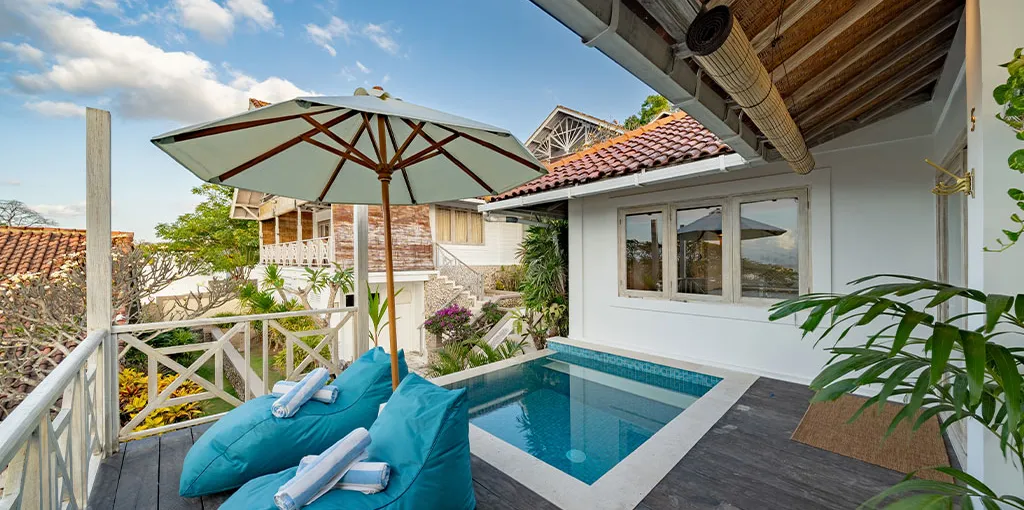
    Dreaming of a tropical escape to Bali’s enchanting neighboring islands? Many travelers crave accommodations that blend privacy, comfort, and effortless access to the island’s highlights. Villas in Lembongan Island stand out as a favorite, offering the perfect mix of luxury and genuine island charm. Whether you’re traveling with loved ones or marking a special milestone, a thoughtfully designed three-bedroom villa gives you the space and freedom to create unforgettable memories together.

    Nusa Lembongan’s star has risen rapidly in the past decade. Tourism reports reveal that more visitors are choosing private villas, drawn by the allure of spacious living, private pools, and tailored experiences, rather than standard hotel rooms. As a result, premium villas have become the island’s most coveted places to stay.

    The Benefits of Choosing a Three-Bedroom Villa

    A three-bedroom villa offers several advantages compared to booking multiple hotel rooms. Guests can enjoy shared living areas, private outdoor spaces, dedicated dining facilities, and often a private swimming pool. These features create a home-away-from-home atmosphere that is especially appealing for families and groups.

    For travellers searching for a villa in Nusa Lembongan, spacious accommodation allows everyone to stay together while still enjoying personal privacy. This is particularly valuable for families with children, multi-generational travellers, or groups celebrating birthdays and reunions.

    Many visitors consider a luxury villa to be the best place to stay in Nusa Lembongan because it combines convenience with breathtaking ocean views and easy access to the island’s beaches.

    Exploring the Island’s Top Attractions

    A major draw of villas in Lembongan Island is their close proximity to the island’s top attractions. Imagine starting your day snorkeling in Nusa Lembongan’s crystal-clear waters, discovering vibrant coral reefs and a kaleidoscope of marine life just moments from your door.

    Adventure seekers often book a Nusa Lembongan snorkeling tour to explore locations such as Mangrove Point, Crystal Bay, and nearby reefs known for manta ray sightings. These excursions remain among the highest-rated activities on the island.

    For diving enthusiasts, Nusa Lembongan offers access to world-class dive sites with healthy coral ecosystems and diverse marine life. The waters surrounding Nusa Lembongan consistently attract divers from around the globe.

    Surf enthusiasts also appreciate the island’s reputation for excellent waves. A nearby Nusa Lembongan surf spot provides opportunities for beginners and experienced surfers alike. As a result, surfing in Nusa Lembongan has become one of the island’s defining outdoor activities.

    Dining, Wellness, and Lifestyle Experiences

    Guests in luxury villas are perfectly positioned to savour the island’s blossoming culinary scene. Whether you crave authentic Indonesian flavours or international fare, Nusa Lembongan offers a delicious array of dining options to delight every palate.

    Every year, Lembongan Island’s restaurant scene grows richer, offering more choices than ever. From the best lunch spots and fresh seafood feasts to hidden gems for every craving and budget, the island has something to satisfy every appetite. Tourism has also become increasingly popular. Travellers often look for opportunities to enjoy yoga in Nusa Lembongan, while fitness-focused guests appreciate access to a gym there during their stay.

    After a day of adventure, many guests indulge in the island’s top spas, where soothing Balinese rituals and modern therapies melt away stress and leave you feeling renewed.

    Why Families Prefer Private Villas

    Family travel continues to be one of the fastest-growing tourism segments globally. This trend is reflected in increasing demand for Nusa Lembongan family accommodation, where larger groups require more space and flexibility.

    Properties such as Lembongan Island Beach Villas offer family-friendly layouts that allow parents and children to enjoy quality time together while maintaining comfort and privacy. Many travellers consider these accommodations among the best villa options in Nusa Lembongan due to their beachfront setting and premium facilities.

    The appeal of Lembongan beach villas lies in their combination of location, comfort, and exclusive amenities. For extended stays, many guests choose to rent a villa in Nusa Lembongan because it offers better value and convenience than booking multiple hotel rooms.

    Travelers researching premium accommodation often discover that Lembongan beach villas resort experiences deliver both luxury and authentic island charm.

    Convenient Access to the Island

    Getting to Nusa Lembongan has never been easier. Visitors can arrange a private boat to Nusa Lembongan for a personalized transfer experience from Bali. Many operators also provide scheduled Nusa Lembongan boat transfer services from Sanur, allowing travelers to reach the island in approximately 30 to 45 minutes.

    The island’s accessibility has contributed significantly to its growing popularity among domestic and international travelers.

    Beyond Nusa Lembongan

    Many visitors also explore neighboring islands during their stay. Travelers interested in extending their trip often research ceningan island accommodation options to experience the unique character of nearby Nusa Ceningan.

    The close proximity of these islands makes it easy to enjoy multiple destinations while using villas on Lembongan Island as a comfortable base for exploration.

    An Ideal Venue for Special Celebrations

    Luxury villas are increasingly chosen for destination events and celebrations. Couples planning a Nusa Lembongan wedding often choose beachfront villas because they offer stunning ocean backdrops, private event spaces, and exceptional guest experiences.

    Whether hosting an intimate gathering or a larger celebration, spacious three-bedroom villas offer an elegant setting that captures the beauty of island life.

    Experience the Best of Nusa Lembongan

    For travelers seeking comfort, privacy, and convenient access to the island’s most popular attractions, three-bedroom villas provide an exceptional accommodation choice. Combining luxury amenities with prime locations, these properties continue to attract families, groups, and couples looking for a premium island experience. From snorkeling adventures and surfing sessions to wellness activities and world-class dining, Nusa Lembongan offers something for every traveler. Choosing a luxury villa allows visitors to enjoy the very best the island has to offer while creating unforgettable memories in one of Bali’s most beautiful destinations.

  • Top Seafood Supplier Indonesia for Global Export: Why the World Turns to Indonesian Waters

    Top Seafood Supplier Indonesia for Global Export: Why the World Turns to Indonesian Waters

    When global buyers search for a reliable Seafood Supplier Indonesia, they are tapping into one of the world’s most bountiful marine ecosystems. Indonesia, the world’s largest archipelago nation, spans more than 17,000 islands and commands over 6.4 million km² of ocean territory a natural advantage that has positioned the country as a premier seafood supplier Indonesia for decades. With world-class fishery infrastructure, cold-chain logistics, and a diverse catch portfolio, Indonesian suppliers are meeting the demands of importers across Asia, Europe, the Middle East, and the Americas.

    Indonesia’s Position as a Global Seafood Powerhouse

    Indonesia consistently ranks among the top three seafood-producing nations on the planet. According to the Food and Agriculture Organization (FAO), Indonesia’s total fisheries production exceeded 23 million tonnes in recent years, encompassing both wild-capture and aquaculture output. This enormous volume underpins the capacity of every seafood export company operating out of the archipelago.

    Key statistics that define Indonesia’s seafood dominance:

    IndicatorData / ValueSource
    Total Fisheries Production23+ million tonnes/yearFAO 2023
    Marine Fisheries Area6.4 million km²KKP Indonesia
    Number of Fish Species3,000+ speciesLIPI Research
    Seafood Export ValueUSD 5.8 billion (2023)BPS-Statistics Indonesia
    Top Export MarketsUSA, Japan, China, EUMinistry of Marine Affairs

    These numbers illustrate why international buyers overwhelmingly choose an Indonesian seafood supplier company over competitors in the region. The combination of biodiversity, volume, and competitive pricing is simply unmatched.

    A Complete Range of Seafood Export Products

    A leading seafood supplier in Indonesia typically offers a comprehensive catalogue of seafood export products that caters to both retail and food-service sectors worldwide. From wild-caught tuna and shrimp to farmed vannamei and milkfish, the breadth of fishery products available from Indonesian exporters is extraordinary.

    Product CategoryKey SpeciesPrimary Markets
    ShrimpVannamei, Tiger, FlowerUSA, EU, Japan
    TunaSkipjack, Yellowfin, BigeyeJapan, EU, Middle East
    CrabMud Crab, Blue Swimming CrabChina, USA, Australia
    LobsterTropical LobsterChina, Vietnam, Hong Kong
    Squid & CuttlefishBig-fin Squid, BroadclubJapan, South Korea, Spain
    Fish FilletsSnapper, Grouper, Mahi-mahiEU, Middle East

    Whether you are sourcing whole-round fish, portioned cuts, or value-added products, partnering with a certified Indonesian seafood export company ensures traceability, food-safety compliance (HACCP, BRC, MSC), and consistent quality throughout the supply chain.

    The Role of Frozen Seafood Exports in International Trade

    Freezing technology has revolutionised how frozen seafood exporters preserve product integrity during long-haul international shipments. Indonesia’s investment in Individual Quick Freezing (IQF), blast-freezing tunnels, and temperature-controlled warehousing has enabled frozen seafood products to reach any corner of the globe without compromising taste, texture, or nutritional value.

    The frozen seafood segment accounts for approximately 70% of Indonesia’s total seafood export value. Major product lines include IQF shrimp, frozen tuna loins, frozen octopus, and block-frozen squid rings. Demand for these products is driven by the global food-service industry’s requirement for consistent, year-round supply something Indonesian exporters are uniquely equipped to deliver.

    Choosing the Right Seafood Exporter, Distributor, or Trader

    Understanding the difference between a Seafood Exporter, a Seafood Distributor, and a Seafood Trader is critical for buyers looking to build a cost-efficient supply chain.

    RoleFunctionBest For
    Seafood ExporterDirect sourcing & shipping from originLarge-volume importers
    Seafood DistributorWarehousing & regional deliveryRetail chains, supermarkets
    Seafood TraderCommodity brokering & spot tradingFlexible, short-term buyers

    For buyers seeking direct relationships at the source, an Indonesian seafood supplier company that combines exporter, distributor, and trader capabilities under one roof delivers the greatest flexibility and cost savings. AB Mandiri exemplifies this integrated model, managing procurement, processing, cold-chain logistics, and documentation in-house.

    Quality Standards and Certifications That Matter

    Global buyers increasingly require their Indonesian partners to carry internationally recognised certifications. The most relevant standards for a seafood export company include:

    CertificationIssued BySignificance
    HACCPCodex Alimentarius / NationalFood safety hazard control
    BRC Global StandardBRCGS, UKRetail supply chain compliance
    MSC CertificationMarine Stewardship CouncilSustainable wild-catch sourcing
    ASC CertificationAquaculture Stewardship CouncilResponsible aquaculture
    HALALMUI / BPJPH IndonesiaMandatory for Middle East & Muslim markets
    EU Health CertificateMinistry of Marine Affairs (KKP)Access to European Union market

    Any reputable frozen seafood exporter will hold at minimum HACCP and HALAL certifications, with MSC or ASC credentials becoming increasingly important as sustainability-conscious retailers demand traceable supply chains from origin to shelf.

    Why Partner with a Seafood Supplier Indonesia for Your Business

    The strategic advantages of sourcing from a seafood supplier Indonesia go well beyond price competitiveness. Indonesia’s geographic position at the confluence of the Indian and Pacific Oceans means year-round fishing seasons, reducing the supply disruptions that plague northern-hemisphere exporters. With a growing cold-chain infrastructure and government support through the Ministry of Marine Affairs and Fisheries (KKP), Indonesian suppliers are increasingly able to meet and often exceed quality benchmarks set by competitors in Thailand, Vietnam, and Ecuador.

    For importers in the United States, European Union, Japan, and the Middle East, an Indonesian seafood distributor or exporter partnership offers:

    • Competitive FOB pricing — typically 10–20% below comparable Asian suppliers
    • Diverse species portfolio — shrimp, tuna, crab, lobster, squid, and more from a single supplier
    • Regulatory readiness — USFDA, EU, and JFSL import compliance experience
    • Scalable volumes — from LCL container orders to multi-FCL annual contracts

    Conclusion: Indonesia’s Seafood Industry Is Ready to Serve the World

    As global protein demand rises and supply chains face increasing scrutiny, the case for partnering with a trusted seafood supplier Indonesia has never been stronger. With an unmatched range of seafood export products, certified frozen seafood products, and a growing network of seafood export company professionals, Indonesia stands ready to be your most reliable fishery product source. Whether you need a Seafood Exporter, a Seafood Distributor, or a nimble Seafood Trader — Indonesia has the capacity, the expertise, and the natural abundance to meet your needs at every scale.

  • How Bali’s 2025 Floods Impact Tourism Property Values

    Bali’s 2025 floods have sent shockwaves through the tourism industry, raising concerns about how the floods will impact tourism property values. With water levels reaching 2-3 meters in Denpasar and affecting 43 flood points, popular tourist hubs like Kuta and Seminyak face significant challenges. The Bali Provincial Disaster Management Agency (BPBD) is leading recovery efforts. Still, the immediate damage to villas and hotels has sparked debates about long-term value. This industry-specific analysis examines the impact on tourism properties and how recovery initiatives may shape their future, providing valuable insights for stakeholders and investors navigating this crisis.

    Immediate Impact on Tourism Properties

    The recent Bali 2025 floods have severely impacted tourism properties, particularly in Kuta and Seminyak, where flooding has submerged hotels, villas, and restaurants. In Kuta, known for its beaches and nightlife, floodwaters have damaged ground-floor rooms and outdoor amenities, resulting in reduced occupancy rates. Seminyak, a hub for luxury villas, is experiencing similar issues, with some properties facing structural damage due to the 2-3 meter water levels reported on September 10. Early estimates suggest a 20-30% drop in property values in these areas due to repair costs and lost revenue. Tourists are postponing bookings, putting pressure on owners who rely on seasonal income, especially after the holiday season in September.

    Also read Sanur or Seminyak? Comparing Bali’s Top Villa Rental Spots

    Short-Term Economic Fallout

    The economic fallout from the 2025 floods’ impact on Bali’s tourism and property values is evident in cancelled reservations and disrupted supply chains. Hotels in flood-prone zones struggle with waterlogged infrastructure, leading to temporary closures. Villas, often marketed as private retreats, face challenges with damaged pools and gardens, key selling points for high-end travelers. Data from the Bali Hotels Association indicates a 15% decline in average daily rates since the floods began, reflecting reduced demand. For investors, this short-term dip serves as a cautionary signal. Still, it also opens opportunities for those willing to weather the storm with strategic investments.

    Recovery Efforts and Their Influence

    Recovery efforts are underway, offering hope that the impact of the 2025 floods on Bali’s tourism property values may not be permanent. The BPBD is coordinating with local governments to clear debris and restore drainage in Kuta and Seminyak, aiming to reopen roads like Jalan Gunung Salak. The Indonesian government has pledged financial aid and infrastructure upgrades, which could boost property resilience. Private owners are investing in flood barriers and elevated designs, which may ultimately lead to increased property values. Stakeholders report that effective recovery could restore 70-80% of pre-flood values within 12-18 months, depending on tourism rebound.

    Long-Term Value Projections

    Looking ahead, the impact of Bali’s 2025 floods on tourism property values will hinge on the recovery speed and tourist confidence. Areas with proactive mitigation—such as elevated villas in Seminyak or hotels equipped with backup generators in Kuta—may experience value stabilisation by mid-2026. The tourism sector, which contributes over 60% to Bali’s GDP, is likely to drive demand once the infrastructure improves. Investors seeking long-term gains should consider properties in less flood-prone areas, such as Ubud, where values could rise by 5-10% as tourists seek safer alternatives. Sustainable practices, like eco-friendly renovations, will also enhance appeal, aligning with global trends.

    Opportunities for Investors

    Despite the challenges, Bali’s 2025 floods have impacted tourism property values, presenting opportunities for investment in the region. Distressed sales in Kuta and Seminyak can yield properties at 15-20% below market value, making them ideal for renovation and resale. Partnerships with recovery-focused developers provide an opportunity to build flood-resistant assets, potentially increasing returns as tourism recovers. Investors should conduct thorough due diligence, assessing flood risk maps and insurance costs, which are likely to rise in the aftermath of a flood. Those acting now can capitalise on a market rebound, especially with government incentives for tourism revitalisation.

    Strategies for Property Owners

    For current owners, mitigating the impact of Bali’s 2025 floods on tourism property values requires action. Elevating electrical systems and installing flood defences can protect assets and attract buyers. Diversifying income through online bookings or remote work rentals—a trend observed in Canggu—can help offset losses. Engaging with local tourism boards to secure recovery grants is also advisable. These strategies not only safeguard value but position properties as resilient, appealing to future buyers as Bali rebuilds.

    Looking Ahead: A Resilient Future

    As recovery progresses, the impact of Bali’s 2025 floods on tourism property values will depend on collective efforts. The government’s infrastructure plans and community resilience, seen in evacuation support, signal a path to recovery. By September 2026, with tourism stabilizing, properties in Kuta and Seminyak could regain value if flood risks are addressed. For stakeholders, this is a call to adapt, ensuring Bali remains a premier destination.

    Bali’s 2025 floods, which impacted tourism property values, underscore a critical moment for the industry. With strategic planning and recovery support, stakeholders can turn challenges into opportunities. Stay informed and invest wisely as Bali rises again.

  • How to Prepare for a Night Dive Experience with Alila Purnama

    How to Prepare for a Night Dive Experience with Alila Purnama

    Embarking on a night dive is an exhilarating adventure. With Alila Purnama, a luxurious Phinisi yacht, you can experience it in style across Indonesia’s pristine waters. This guide is tailored for first-time divers and seasoned enthusiasts eager to explore the nocturnal wonders of Raja Ampat or Komodo National Park. Alila Purnama offers bespoke dive itineraries, but proper preparation is key to ensuring safety and enjoyment. This article provides a step-by-step guide on gearing up with essential equipment, such as torches and wetsuits, mastering safety protocols, and understanding what to expect, making your luxury cruise dive-ready.

    Essential Equipment for Your Night Dive

    Preparing the right gear is the foundation of a successful night dive with Alila Purnama. Start with a high-quality underwater torch. Opt for a primary light with at least 1,000 lumens and a backup for emergencies, as darkness is your biggest challenge. A well-fitted wetsuit, ideally 3-5mm thick, provides thermal protection and buoyancy control in cooler night waters. Fins, a mask, and a snorkel are must-haves, while a dive computer helps monitor depth and time. Alila Purnama supplies some equipment; Pack personal items in a waterproof bag to keep them dry on board.

    Safety Protocols to Master

    Safety is paramount during a night dive with Alila Purnama, and following protocols ensures a secure experience. Always dive with a buddy, as visibility drops to your torch’s beam. Alila Purnama’s expert dive masters pair guests for safety. Use a surface marker buoy (SMB) to signal your position, especially in currents common in Raja Ampat. Check your air supply frequently, aiming to return with at least 50 bar, and practice the “out of air” signal with your buddy. The yacht’s crew conducts pre-dive briefings, covering emergency procedures and site-specific hazards, so attend these sessions attentively. This preparation minimizes risks in the dark.

    Also read How Labuan Bajo Tours Can Recover from BBM Shortages

    Step-by-Step Preparation Guide

    Follow this step-by-step process to get ready for your night dive with Alila Purnama:

    1. Check Certifications: Ensure you have an Open Water certification or higher, as night dives require experience. Alila Purnama offers refresher courses for a fee-book in advance.
    2. Gear Check: Test your torch, wetsuit fit, and other equipment a day before, adjusting as needed. The yacht’s dive center can assist with rentals.
    3. Briefing Attendance: Arrive 30 minutes early for Alila Purnama’s briefing, where you’ll learn about the dive site, entry points, and signals.
    4. Physical Prep: Rest well and hydrate, as night dives demand focus. Avoid alcohol, a rule reinforced by the crew.
    5. Post-Dive Plan: Bring a towel and dry clothes to change into after, ensuring comfort on Alila Purnama’s luxurious decks.

    This routine, practised before your September 2025 trip, helps build confidence.

    What to Expect from Alila Purnama’s Tailored Itineraries

    Alila Purnama’s night dive itineraries are designed for adventure and luxury. In Raja Ampat, expect dives at sites like Cape Kri, where bioluminescent plankton illuminate the water, and nocturnal creatures, such as octopuses, emerge to the surface. Komodo National Park offers encounters with reef sharks and manta rays under the stars. Each dive lasts 40-60 minutes, guided by Alila Purnama’s PADI-certified instructors, with groups limited to six for personalized attention. Post-dive, relax in the yacht’s spa or enjoy a gourmet meal, blending thrill with indulgence. Itineraries run year-round, with peak seasons from October to April—book early for 2025’s post-holiday rush.

    Pre-Trip Planning Tips

    Plan to maximize your night dive with Alila Purnama. Book through theyachtclub-indonesia.com or email hello@theyachtclub-indonesia.com, selecting dates like September’s dry spell for optimal conditions. Rates start at USD 15,000 per night for up to 10 guests, including dives, meals, and transfers. Pack reef-safe sunscreen, a waterproof camera for night shots, and motion sickness medication, as seas can be choppy. Confirm dive slots, as Alila Purnama limits groups to preserve marine ecosystems. Travel insurance covering dive accidents is recommended, aligning with Indonesia’s safety standards.

    Onboard Experience and Support

    Aboard Alila Purnama, expect top-tier support for your night dive. The crew, with a staff-to-guest ratio of one to two, assists with gear setup and safety checks. The yacht’s dive deck features rinse tanks and charging stations for torches, while the lounge offers a debrief space with marine insights. After diving, unwind in the master suite or the rooftop jacuzzi, a contrast to the underwater thrill. This seamless service, a hallmark of Alila Purnama, enhances your luxury cruise experience.

    Post-Dive Care and Reflection

    After your dive with Alila Purnama, care for yourself and your gear. Rinse the equipment in the provided tanks to prevent corrosion, and then rinse it thoroughly to remove any remaining salt. Reflect on sightings, perhaps a glowing plankton trail or a shy octopus, with the crew’s marine biologist, who may offer educational talks. Share photos on social media, tagging #AlilaPurnama for a chance to be featured and boost your travel story.

    Preparing for a night dive with Alila Purnama transforms a thrilling adventure into a safe, luxurious escape. With the right gear, safety knowledge, and planning, you’ll dive into Indonesia’s wonders like a pro.

  • Wine and Dine in Bordeaux: A Culinary Road Trip

    Wine and Dine in Bordeaux: A Culinary Road Trip

    Embark on a wine and dine adventure in Bordeaux, where world-class vineyards meet exquisite French cuisine. This culinary road trip through Bordeaux blends the region’s iconic wines with local delicacies like entrecôte bordelaise and canelés, offering travelers a feast for the senses. Whether you’re a foodie or a wine enthusiast, this guide maps out an unforgettable itinerary, complete with wine-tasting etiquette and budget-friendly bistros.

    Day 1: Exploring Bordeaux’s Historic Heart

    Start your wine and dine journey in Bordeaux’s UNESCO-listed city center. Begin with a morning stroll along the Garonne River, then head to Marché des Capucins, the city’s vibrant food market: sample local cheeses, charcuterie, and fresh oysters paired with a crisp Sauvignon Blanc from nearby Entre-Deux-Mers. For lunch, visit La Tupina, a beloved bistro serving hearty entrecôte bordelaise grilled ribeye with a rich red wine sauce. This dish, a Bordeaux staple, showcases the region’s bold flavors and pairs perfectly with a glass of Médoc.

    Wine-Tasting Tip: When visiting wineries, swirl your glass gently to release aromas, sip slowly, and avoid overfilling your glass to savor the experience.

    Day 2: Saint-Émilion’s Vineyards and Villages

    On day two, drive to the picturesque village of Saint-Émilion, a 30-minute trip from Bordeaux. This medieval gem is renowned for its Merlot-heavy wines. Book a tour at Château Figeac or Château La Dominique, where you’ll learn about terroir and taste velvety reds. For lunch, stop at L’Envers du Décor, a cozy wine bar offering seasonal dishes like duck confit and canelés, the caramelized custard pastries that are a Bordeaux must-try. These sweet treats, with their crispy exterior and soft center, are best enjoyed with a glass of Sauternes.

    Budget Tip: Look for “menu du jour” (daily specials) at local bistros to enjoy authentic Bordeaux cuisine without breaking the bank.

    Day 3: Médoc’s Grand Cru Châteaux

    Head northwest to the Médoc region, home to some of Bordeaux’s most prestigious châteaux. Visit Château Margaux or Château Lafite Rothschild for a deep dive into Cabernet Sauvignon blends. Many châteaux offer guided tours with tastings, so book ahead. For a budget-friendly lunch, try Le Saint-Julien in Pauillac, where you can savor entrecôte bordelaise or fresh seafood paired with affordable house wines. End your day with a sunset picnic at a vineyard, packing local baguettes, pâté, and canelés from a nearby bakery like Pâtisserie San Nicolas.

    Wine-Tasting Etiquette: Spit into provided buckets during tastings to stay sharp, and ask questions to engage with the sommelier’s expertise.

    Day 4: Sauternes and Sweet Endings

    Conclude your wine and dine road trip in Sauternes, famous for its golden dessert wines. Tour Château d’Yquem or Château Guiraud to sample these luscious blends, perfect with creamy Roquefort or foie gras. For lunch, visit Auberge Les Vignes in Sauternes village, where you can enjoy roasted lamb or vegetable tarts alongside local wines. Don’t leave without trying more canelés from Maison Baillardran, which offers some of the best. This sweet finale ties together Bordeaux’s culinary heritage with its wine legacy.

    Budget Tip: Many châteaux offer free or low-cost tastings if you purchase a bottle, so plan purchases strategically to save.

    Practical Tips for Your Bordeaux Adventure

    • Getting Around: Rent a car for flexibility, as many châteaux are rural. Alternatively, join guided wine tours from Bordeaux.
    • When to Go: Visit in spring or autumn for mild weather and fewer crowds. Harvest season (September-October) is ideal for wine enthusiasts.
    • Affordable Dining: Seek out bistros with fixed-price menus, often under €20, for authentic Bordeaux dishes like entrecôte bordelaise.

    This wine and dine road trip in Bordeaux offers a perfect blend of gastronomy and viticulture. From Saint-Émilion’s cobblestone streets to Médoc’s grand châteaux, every stop celebrates the region’s culinary and wine-making prowess. Pack your appetite and raise a glass to Bordeaux’s unforgettable flavors.