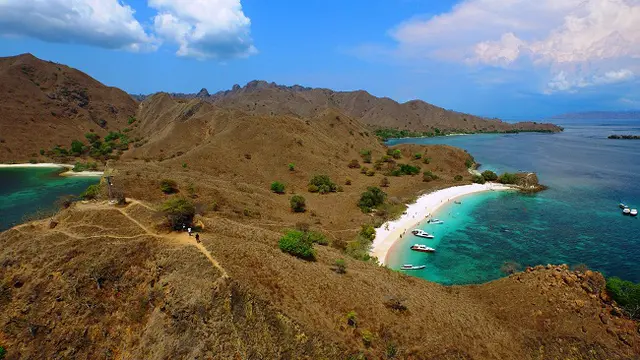
The stunning landscapes of Komodo Island, situated in Indonesia’s Lesser Sunda Islands, are globally celebrated. This island is best known as the habitat of the world’s most giant lizard—the Komodo dragon. While Komodo Island is one of Southeast Asia’s most sought-after destinations, its pristine environment and unique biodiversity are increasingly threatened. From the pressures of mass tourism to climate change, the challenges facing this paradise are mounting. This article delves into the factors that threaten the island and what can be done to preserve it.
The Appeal of Komodo Island
Komodo Island, part of the Komodo National Park, offers visitors stunning natural beauty, vibrant coral reefs, and a display of wildlife, including the legendary Komodo dragon. The island’s unique ecosystem has attracted nature enthusiasts, adventure seekers, and conservationists. The Komodo National Park was designated a UNESCO World Heritage site in 1991, further cementing its status as an ecological treasure. However, this popularity has consequences, as tours to Komodo Island and other tourism-related activities continue to grow.
The Impact of Mass Tourism
Over the past decade, Komodo Island has experienced a rapid surge in tourism. From 2010 to 2019, the number of visitors nearly tripled, with over 170,000 tourists arriving annually. This influx has brought economic benefits but also raised concerns about the sustainability of the island’s ecosystem.
Tourism-related activities, such as Komodo Island diving, boat trips, and trekking, place significant pressure on Komodo’s fragile environment. Boats that bring tourists to the island can damage coral reefs, and increased human interaction with the wildlife, particularly Komodo dragons, disrupts the natural behavior of these creatures. Infrastructure development to accommodate the growing number of visitors—hotels, restaurants, and transportation—often leads to deforestation and habitat destruction.
In response to these concerns, the Indonesian government has considered limiting tourist numbers and implementing conservation fees. Still, more comprehensive measures may be necessary to mitigate the long-term impact of mass tourism on Komodo Island trips.
Also, read Labuan Bajo Island Hopping Open Trip Delights
Climate Change and Rising Sea Levels
Climate change significantly threatens Komodo Island and the surrounding national park. The world’s coral reefs, essential to the marine ecosystem and home to diverse aquatic life, already feel the impact of rising sea levels and warmer waters. Coral bleaching, caused by warmer waters, has become more frequent in the region, reducing biodiversity and threatening the livelihoods of local communities that rely on fishing.
Furthermore, shifting weather patterns could result in increasingly severe weather occurrences like storms and droughts, posing a greater threat to the island’s environment. The delicate balance of life on Komodo Island is highly dependent on consistent weather conditions, and any disruption could have a cascading effect on its flora and fauna.
Illegal Fishing and Marine Degradation
Despite the protection offered by its national park status, illegal fishing practices, including blast fishing and cyanide fishing, threaten Komodo Island’s marine environment. These destructive techniques kill fish, damage coral reefs, and deplete marine resources, making it harder for local communities to sustain their livelihoods.
Efforts to combat illegal fishing are ongoing, with increased patrols and stricter enforcement of marine conservation laws. However, the vastness of the area and the limited resources available for monitoring make it challenging to eliminate these harmful practices. For tourists planning tours to Komodo Island, these activities also detract from the natural beauty and biodiversity they come to experience.
Waste Management Issues
Waste management is one of the less visible but equally significant challenges facing Komodo Island. Due to the increasing number of tourists and a growing local population, managing waste has become a pressing concern. Inadequate waste management systems lead to land and sea pollution, with plastic waste posing a particular threat to marine life.
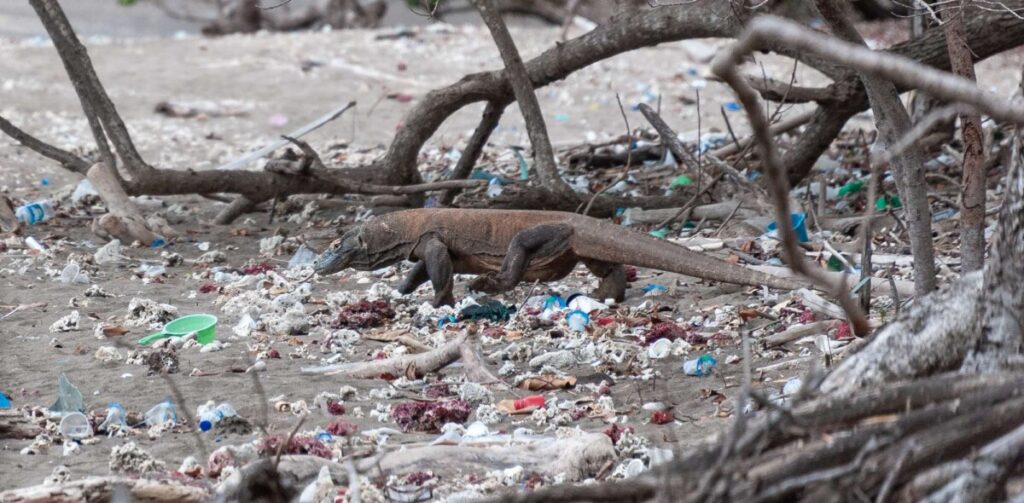
While local governments have introduced initiatives to manage waste more effectively, such as waste sorting and recycling programs, these efforts are still in their infancy. With proper waste disposal infrastructure and widespread public awareness, the problem is likely to grow.
Habitat Loss and Wildlife Conservation
Komodo Island’s most famous residents, the dragons, are also facing challenges. Habitat loss due to human encroachment, agricultural expansion, and infrastructure development threatens the dragons’ natural habitat. While Komodo dragons are a protected species, their populations remain vulnerable to environmental changes and human activities.
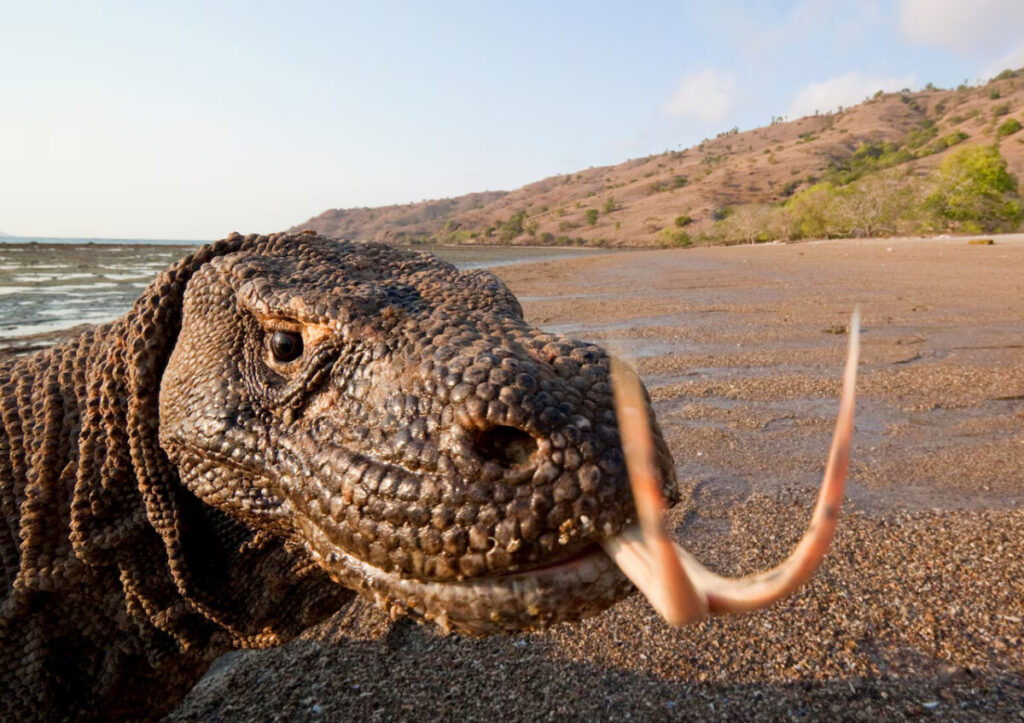
Conservation efforts have been implemented to monitor and protect the dragons. Still, continued habitat destruction could lead to a decline in their population. Additionally, other species on the island, including birds, mammals, and reptiles, face similar threats from habitat degradation and loss of biodiversity.
What Can Be Done to Protect Komodo Island?
The future of Komodo Island rests in striking a balance between conservation and sustainable development. Several initiatives are underway to address the island’s challenges:
- Tourism Regulation: Limiting the number of tourists allowed on the island each year and introducing conservation fees can help reduce the strain on the environment. Tour operators can also adopt eco-friendly practices, such as using electric boats and minimizing waste.
- Marine Protection: Strengthening marine conservation laws and increasing patrols to combat illegal fishing practices is crucial. Encouraging local fishermen to adopt sustainable fishing methods will also help protect marine resources.
- Climate Change Adaptation: Addressing the effects of climate change requires global cooperation, but local efforts, such as reforestation and coral reef restoration projects, can mitigate some of the damage. Educating tourists and locals about protecting the environment is essential in fostering a conservation mindset.
- Waste Management Improvements: Developing a comprehensive waste management system, including recycling programs and reducing single-use plastics, is key to reducing pollution. Engaging in public awareness campaigns can also encourage responsible waste disposal.
- Wildlife Conservation: Ongoing research and monitoring of Komodo dragons and other species are vital to understanding their needs and protecting their habitats. Expanding protected areas and enforcing habitat preservation laws will ensure that wildlife has the space to thrive.