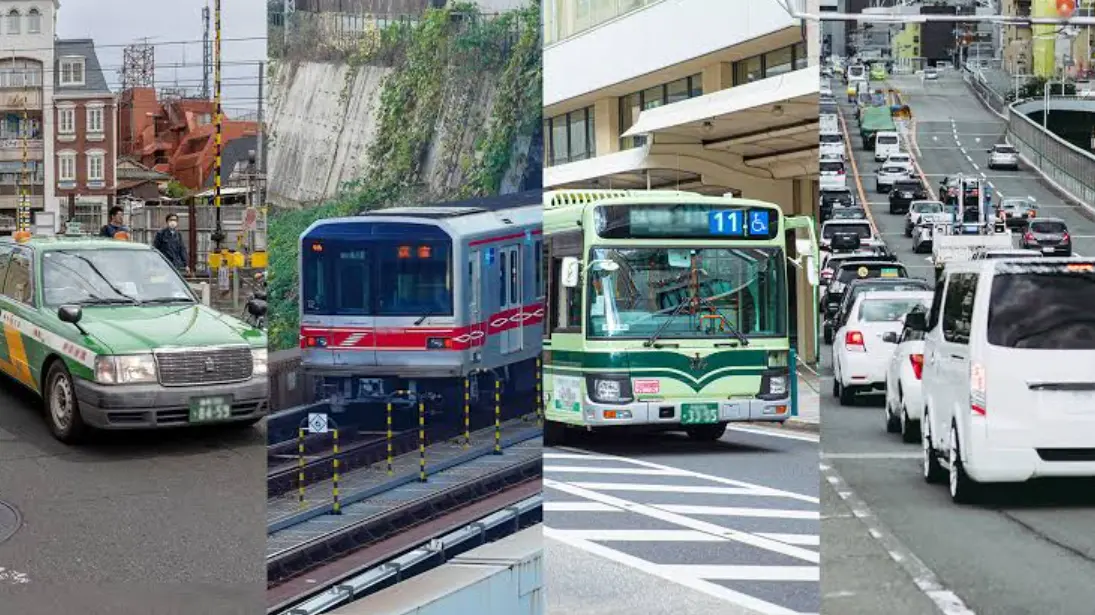
Japan is widely recognized for having one of the world’s most reliable and efficient public transportation systems. From high-speed Shinkansen trains to local subway networks and regional buses, getting around the country is remarkably convenient. However, with so many transportation passes available, choosing the right one can be confusing, especially for first-time visitors.
The best transportation pass depends on how you plan to travel. Someone exploring only Tokyo will benefit from a different pass than a traveler visiting multiple cities such as Kyoto, Osaka, Hiroshima, and Hokkaido. Understanding the strengths of each option before your trip can help you save both time and money.
Why Choosing the Right Transportation Pass Matters
Transportation costs can become a significant part of your travel budget in Japan. While individual train tickets are straightforward to purchase, frequent travel between cities or repeated subway rides may quickly add up. Selecting a pass that matches your itinerary allows you to travel more efficiently without paying for benefits you won’t actually use.
Instead of purchasing the most popular pass simply because you’ve heard about it online, consider your destinations, trip duration, and the type of transportation you’ll use most often. A little planning before departure can prevent unnecessary expenses during your vacation.
Traveling Within a Single City
If your itinerary focuses on one destination such as Tokyo, Kyoto, or Osaka, city transportation passes often provide better value than nationwide rail passes. These local options typically offer unlimited rides on subways, municipal buses, or selected train lines for one or more days, making sightseeing much more convenient.
- Unlimited subway rides
- Easy access to major attractions
- Affordable daily pricing
- Simple to purchase at stations
Read Also:
Japan Transportation Guide
Exploring Multiple Cities
Travelers planning to visit several regions should compare nationwide and regional rail passes before making a decision. Depending on your route, a regional pass may offer greater value than purchasing a nationwide option, particularly if your journey is limited to one area of Japan.
Regional passes are available for destinations such as Kansai, Kyushu, Hokkaido, and other parts of the country. They allow unlimited travel within their designated areas while keeping transportation costs predictable throughout your trip.
Read Also:
Best Places to Visit in Japan
Understanding the Most Common Transportation Passes
Before purchasing any pass, it’s helpful to understand the main categories available to travelers. Each serves a different purpose, and choosing the right one depends on your travel style rather than simply selecting the most famous option.
Japan Rail Pass
The Japan Rail Pass is designed for travelers covering long distances using JR-operated trains, including many Shinkansen routes. It is generally most suitable for itineraries that include several major cities over a relatively short period. Travelers staying in only one city may find that other transportation options offer better overall value.
Read Also:
Japan Itinerary
IC Cards for Everyday Convenience
Rechargeable IC cards such as Suica, Pasmo, and ICOCA make everyday travel incredibly simple. Rather than buying individual tickets for each journey, travelers can tap in and out at stations while the correct fare is automatically deducted. These cards are also accepted at many convenience stores, vending machines, and other retailers, making them useful beyond transportation alone.
Read Also:
Japan Family Travel
How to Choose the Best Pass Based on Your Travel Style
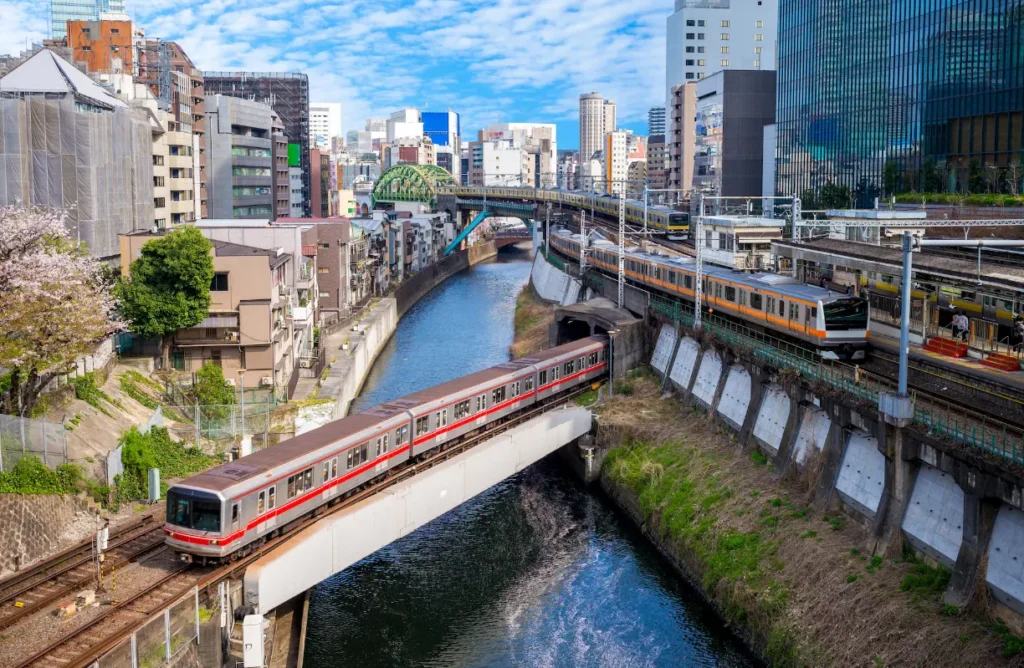
There isn’t a single transportation pass that works perfectly for every traveler. The best choice depends on how many cities you plan to visit, how frequently you’ll use public transportation, and the length of your stay. Thinking about your itinerary first makes it much easier to identify which option provides the greatest value.
For First-Time Visitors Exploring Major Cities
If your itinerary includes Tokyo, Kyoto, and Osaka, you’ll likely combine high-speed rail with local transportation. In many cases, using a regional rail pass together with an IC card offers more flexibility than relying on a single nationwide pass. This combination lets you enjoy convenient local travel while covering longer distances efficiently.
- Compare travel costs before purchasing a pass.
- Check whether your preferred train routes are included.
- Consider how many intercity journeys you’ll actually make.
- Keep an IC card available for local transportation.
Read Also:
Japan Itinerary
For Travelers Staying in One Region
Visitors who spend most of their holiday within one region often benefit from regional transportation passes. Whether you’re exploring Kansai, Hokkaido, or Kyushu, these passes can reduce transportation expenses while providing unlimited travel across participating rail lines and selected buses.
Regional passes are especially useful when planning several day trips without traveling across the entire country. They simplify budgeting while allowing greater flexibility throughout your journey.
Read Also:
Best Places to Visit in Japan
Mistakes to Avoid When Buying Transportation Passes
Many visitors purchase transportation passes before fully understanding their itinerary. While some passes provide excellent value, buying the wrong one can result in paying for services you rarely use. Spending a few minutes comparing your travel plans with available options can prevent unnecessary expenses.
Buying the Most Popular Pass Without Comparing Options
The Japan Rail Pass is well known among international travelers, but it isn’t automatically the best choice for every itinerary. Travelers spending most of their time in a single city may save more by combining local transportation passes with rechargeable IC cards instead of purchasing nationwide coverage.
Ignoring Regional Transportation Passes
Regional rail passes are sometimes overlooked even though they can provide excellent value. If your itinerary is limited to one part of Japan, these passes often include extensive rail coverage at a lower price than nationwide alternatives.
Understanding how Japan’s transportation network works before selecting a pass can make the decision much easier. If you’re still planning your routes and comparing trains, buses, subway systems, and travel cards, this comprehensive Japan transportation guide explains how the country’s transportation system fits together and can help you choose the most suitable option for your itinerary.
Read Also:
Japan Cultural Experiences
Not Considering Airport Transportation
Airport transfers are another factor worth considering when planning your budget. Some transportation passes include selected airport train services, while others require separate tickets. Checking this before you arrive can help avoid unexpected costs and make your journey from the airport much smoother.
Read Also:
Japan Family Travel
Simple Tips for Saving Money on Transportation in Japan
Transportation expenses can quickly become one of the largest parts of your travel budget, especially if you plan to visit several destinations. Fortunately, a little preparation can help you reduce costs without sacrificing convenience. By selecting the right combination of transportation options and planning your routes efficiently, you can make the most of every journey.
Plan Your Routes Before Purchasing a Pass
Rather than purchasing a transportation pass immediately, map out your destinations first. Count how many long-distance journeys you’ll make, estimate local transportation usage, and compare available passes. This simple step often reveals that a regional pass or an IC card is more economical than a nationwide rail pass.
Read Also:
Japan Itinerary
Combine Different Transportation Options
Many experienced travelers don’t rely on a single transportation pass throughout their trip. Instead, they combine regional rail passes, local subway passes, and rechargeable IC cards depending on where they’re traveling. This flexible approach often provides better value while making it easier to move between cities and neighborhoods.
Read Also:
Best Places to Visit in Japan
Conclusion
Choosing the best Japan transportation pass isn’t about finding the most popular option—it’s about selecting the one that matches your travel plans. Some visitors benefit from nationwide rail coverage, while others save more with regional passes or rechargeable IC cards for everyday travel. Understanding your itinerary before making a purchase can help you travel more efficiently and avoid unnecessary expenses.
Whether you’re exploring a single city or traveling across multiple regions, taking the time to compare your options will make getting around Japan simpler and more enjoyable. With the right transportation strategy, you can spend less time worrying about tickets and more time discovering everything the country has to offer.
Frequently Asked Questions
Is the Japan Rail Pass worth buying?
It depends on your itinerary. Travelers making several long-distance journeys within a short period may find it worthwhile, while those staying in one city or region could save more by using regional passes or IC cards.
Can I use an IC card throughout Japan?
Most major IC cards are accepted across many cities and transportation networks, making them a convenient option for local trains, subways, buses, and even purchases at participating convenience stores.
Should I buy a transportation pass before arriving in Japan?
Some passes can be purchased after arrival, while others may offer additional benefits when bought in advance. Reviewing your itinerary beforehand will help you decide which option is the most practical.
Can I combine different transportation passes?
Yes. Many travelers use a combination of regional rail passes, local transit passes, and IC cards to match different parts of their journey. This approach often provides greater flexibility and better overall value.