Category: Travel

  • Best Japan Transportation Pass for Different Trips

    Best Japan Transportation Pass for Different Trips

    Japan is widely recognized for having one of the world’s most reliable and efficient public transportation systems. From high-speed Shinkansen trains to local subway networks and regional buses, getting around the country is remarkably convenient. However, with so many transportation passes available, choosing the right one can be confusing, especially for first-time visitors.

    The best transportation pass depends on how you plan to travel. Someone exploring only Tokyo will benefit from a different pass than a traveler visiting multiple cities such as Kyoto, Osaka, Hiroshima, and Hokkaido. Understanding the strengths of each option before your trip can help you save both time and money.

    Why Choosing the Right Transportation Pass Matters

    Transportation costs can become a significant part of your travel budget in Japan. While individual train tickets are straightforward to purchase, frequent travel between cities or repeated subway rides may quickly add up. Selecting a pass that matches your itinerary allows you to travel more efficiently without paying for benefits you won’t actually use.

    Instead of purchasing the most popular pass simply because you’ve heard about it online, consider your destinations, trip duration, and the type of transportation you’ll use most often. A little planning before departure can prevent unnecessary expenses during your vacation.

    Traveling Within a Single City

    If your itinerary focuses on one destination such as Tokyo, Kyoto, or Osaka, city transportation passes often provide better value than nationwide rail passes. These local options typically offer unlimited rides on subways, municipal buses, or selected train lines for one or more days, making sightseeing much more convenient.

    • Unlimited subway rides
    • Easy access to major attractions
    • Affordable daily pricing
    • Simple to purchase at stations

    Read Also:
    Japan Transportation Guide

    Exploring Multiple Cities

    Travelers planning to visit several regions should compare nationwide and regional rail passes before making a decision. Depending on your route, a regional pass may offer greater value than purchasing a nationwide option, particularly if your journey is limited to one area of Japan.

    Regional passes are available for destinations such as Kansai, Kyushu, Hokkaido, and other parts of the country. They allow unlimited travel within their designated areas while keeping transportation costs predictable throughout your trip.

    Read Also:
    Best Places to Visit in Japan

    Understanding the Most Common Transportation Passes

    Before purchasing any pass, it’s helpful to understand the main categories available to travelers. Each serves a different purpose, and choosing the right one depends on your travel style rather than simply selecting the most famous option.

    Japan Rail Pass

    The Japan Rail Pass is designed for travelers covering long distances using JR-operated trains, including many Shinkansen routes. It is generally most suitable for itineraries that include several major cities over a relatively short period. Travelers staying in only one city may find that other transportation options offer better overall value.

    Read Also:
    Japan Itinerary

    IC Cards for Everyday Convenience

    Rechargeable IC cards such as Suica, Pasmo, and ICOCA make everyday travel incredibly simple. Rather than buying individual tickets for each journey, travelers can tap in and out at stations while the correct fare is automatically deducted. These cards are also accepted at many convenience stores, vending machines, and other retailers, making them useful beyond transportation alone.

    Read Also:
    Japan Family Travel

    How to Choose the Best Pass Based on Your Travel Style

    japan transportation best

    There isn’t a single transportation pass that works perfectly for every traveler. The best choice depends on how many cities you plan to visit, how frequently you’ll use public transportation, and the length of your stay. Thinking about your itinerary first makes it much easier to identify which option provides the greatest value.

    For First-Time Visitors Exploring Major Cities

    If your itinerary includes Tokyo, Kyoto, and Osaka, you’ll likely combine high-speed rail with local transportation. In many cases, using a regional rail pass together with an IC card offers more flexibility than relying on a single nationwide pass. This combination lets you enjoy convenient local travel while covering longer distances efficiently.

    • Compare travel costs before purchasing a pass.
    • Check whether your preferred train routes are included.
    • Consider how many intercity journeys you’ll actually make.
    • Keep an IC card available for local transportation.

    Read Also:
    Japan Itinerary

    For Travelers Staying in One Region

    Visitors who spend most of their holiday within one region often benefit from regional transportation passes. Whether you’re exploring Kansai, Hokkaido, or Kyushu, these passes can reduce transportation expenses while providing unlimited travel across participating rail lines and selected buses.

    Regional passes are especially useful when planning several day trips without traveling across the entire country. They simplify budgeting while allowing greater flexibility throughout your journey.

    Read Also:
    Best Places to Visit in Japan

    Mistakes to Avoid When Buying Transportation Passes

    Many visitors purchase transportation passes before fully understanding their itinerary. While some passes provide excellent value, buying the wrong one can result in paying for services you rarely use. Spending a few minutes comparing your travel plans with available options can prevent unnecessary expenses.

    Buying the Most Popular Pass Without Comparing Options

    The Japan Rail Pass is well known among international travelers, but it isn’t automatically the best choice for every itinerary. Travelers spending most of their time in a single city may save more by combining local transportation passes with rechargeable IC cards instead of purchasing nationwide coverage.

    Ignoring Regional Transportation Passes

    Regional rail passes are sometimes overlooked even though they can provide excellent value. If your itinerary is limited to one part of Japan, these passes often include extensive rail coverage at a lower price than nationwide alternatives.

    Understanding how Japan’s transportation network works before selecting a pass can make the decision much easier. If you’re still planning your routes and comparing trains, buses, subway systems, and travel cards, this comprehensive Japan transportation guide explains how the country’s transportation system fits together and can help you choose the most suitable option for your itinerary.

    Read Also:
    Japan Cultural Experiences

    Not Considering Airport Transportation

    Airport transfers are another factor worth considering when planning your budget. Some transportation passes include selected airport train services, while others require separate tickets. Checking this before you arrive can help avoid unexpected costs and make your journey from the airport much smoother.

    Read Also:
    Japan Family Travel

    Simple Tips for Saving Money on Transportation in Japan

    Transportation expenses can quickly become one of the largest parts of your travel budget, especially if you plan to visit several destinations. Fortunately, a little preparation can help you reduce costs without sacrificing convenience. By selecting the right combination of transportation options and planning your routes efficiently, you can make the most of every journey.

    Plan Your Routes Before Purchasing a Pass

    Rather than purchasing a transportation pass immediately, map out your destinations first. Count how many long-distance journeys you’ll make, estimate local transportation usage, and compare available passes. This simple step often reveals that a regional pass or an IC card is more economical than a nationwide rail pass.

    Read Also:
    Japan Itinerary

    Combine Different Transportation Options

    Many experienced travelers don’t rely on a single transportation pass throughout their trip. Instead, they combine regional rail passes, local subway passes, and rechargeable IC cards depending on where they’re traveling. This flexible approach often provides better value while making it easier to move between cities and neighborhoods.

    Read Also:
    Best Places to Visit in Japan

    Conclusion

    Choosing the best Japan transportation pass isn’t about finding the most popular option—it’s about selecting the one that matches your travel plans. Some visitors benefit from nationwide rail coverage, while others save more with regional passes or rechargeable IC cards for everyday travel. Understanding your itinerary before making a purchase can help you travel more efficiently and avoid unnecessary expenses.

    Whether you’re exploring a single city or traveling across multiple regions, taking the time to compare your options will make getting around Japan simpler and more enjoyable. With the right transportation strategy, you can spend less time worrying about tickets and more time discovering everything the country has to offer.

    Frequently Asked Questions

    Is the Japan Rail Pass worth buying?

    It depends on your itinerary. Travelers making several long-distance journeys within a short period may find it worthwhile, while those staying in one city or region could save more by using regional passes or IC cards.

    Can I use an IC card throughout Japan?

    Most major IC cards are accepted across many cities and transportation networks, making them a convenient option for local trains, subways, buses, and even purchases at participating convenience stores.

    Should I buy a transportation pass before arriving in Japan?

    Some passes can be purchased after arrival, while others may offer additional benefits when bought in advance. Reviewing your itinerary beforehand will help you decide which option is the most practical.

    Can I combine different transportation passes?

    Yes. Many travelers use a combination of regional rail passes, local transit passes, and IC cards to match different parts of their journey. This approach often provides greater flexibility and better overall value.

  • Nusa Ceningan Travel Guide: Where to Stay, Eat, and Explore

    Nusa Ceningan Travel Guide: Where to Stay, Eat, and Explore

    This Nusa Ceningan travel guide is for travellers who want a softer, slower side of the Nusa Islands. Connected to Nusa Lembongan by the famous Yellow Bridge, Nusa Ceningan feels like a peaceful extension of Lembongan, with relaxed villas, clifftop cafés, sunset viewpoints, quiet beaches, and an easy island rhythm that suits visitors from Australia and New Zealand.

    Why Nusa Ceningan Feels Different

    Nusa Ceningan is small, calm, and easy to explore. The island is around 3 square kilometres, which means you can move between cafés, viewpoints, beaches, and accommodation without feeling rushed. While Nusa Lembongan has more restaurants, resorts, and boat activity, Ceningan feels more open, coastal, and unhurried.

    The island is reached from Lembongan via the Yellow Bridge, a narrow bridge for pedestrians and scooters. At 138 metres long and 1.8 metres wide, it is not made for cars, which helps keep Ceningan feeling quieter than Bali’s busier resort areas. This simple detail shapes the experience: fewer large vehicles, slower roads, and a more laid-back way to travel.

    For Australian and New Zealand travellers, Ceningan makes a great short island escape after Bali. It is close enough to reach by boat from Sanur, yet different enough to feel like a proper reset.

    Where to Stay on Nusa Ceningan

    The best places to stay on Nusa Ceningan are usually boutique villas, small resorts, bungalows, and cliffside stays with sea views. Many properties focus on open-air living, pools, ocean-facing terraces, and sunset positions.

    If you want peace and privacy, choose a villa near the western side of the island, where the sunset views are strongest. For easier access to cafés and the bridge, stay closer to the main road between Yellow Bridge and the lagoon area. Travellers who want more dining options may also stay on Lembongan and visit Ceningan during the day.

    This Nusa Ceningan travel guide recommends staying at least two nights to properly enjoy the island. One night can feel too short, especially if you are arriving by boat and want time for beaches, cafés, swimming, and sunset.

    Where to Eat and Drink

    Ceningan’s food scene is relaxed and scenic rather than formal. Expect casual cafés, beach bars, smoothie bowls, Indonesian dishes, seafood, burgers, and simple sunset drinks. Many venues are built around the view, so meals often become part of the island experience.

    For breakfast, choose a café with a lagoon or ocean view. For lunch, look for a place near the water where you can swim, rest, and eat slowly. For sunset, head to a clifftop bar or western-facing venue with beanbags, cocktails, and an open horizon.

    If you are staying on Lembongan, you can also explore Lembongan island restaurants, best places to eat in Nusa Lembongan, best food Nusa Lembongan, best lunch Nusa Lembongan, and best bars Nusa Lembongan as part of a combined island trip.

    Best Things to Explore

    Nusa Ceningan is best enjoyed slowly. Blue Lagoon is one of the island’s most popular viewpoints, known for bright blue water and dramatic cliffs. It is more of a viewing and photo spot than a swimming beach, especially when the swell is strong.

    Mahana Point is another favourite, especially for sunsets, ocean views, and watching waves crash against the cliffs. The lagoon area is calmer and better suited to relaxed drinks, paddleboarding, and low-key afternoons. Secret Beach offers a quieter coastal feel, although swimming conditions can vary with the tide and swell.

    This is the kind of island where the journey between places also matters. Scooter rides, small roads, seaweed farms, bridge views, and cliffside stops all add to the charm.

    How Ceningan Connects with Lembongan

    Nusa Ceningan and Nusa Lembongan are often planned together. Lembongan offers more accommodation options, boat arrivals, beach clubs, surf access, restaurants, spas, gyms, and family-friendly stays. Ceningan adds the peaceful extension: viewpoints, sunsets, slow cafés, villas, and quieter coastal pockets.

    Travellers often combine Ceningan with surfing in Nusa Lembongan, a Nusa Lembongan surf spot, snorkeling in Nusa Lembongan, a Nusa Lembongan snorkeling tour, Nusa Lembongan diving, yoga in Nusa Lembongan, a gym in Nusa Lembongan, or the best spa in Nusa Lembongan.

    For accommodation planning, common options include best place to stay nusa lembongan, villa for rent nusa lembongan, best villa in nusa lembongan, villa in nusa lembongan, villas in lembongan island, ceningan island accommodation, nusa lembongan family accommodation, lembongan beach villas, villa nusa lembongan bali, lembongan beach villas resort, nusa lembongan accommodation, and lembongan island beach villas.

    For weddings and private escapes, visitors may also consider a nusa lembongan wedding, a private boat to nusa lembongan, or a nusa lembongan boat transfer to make the arrival feel more seamless.

    How Long Should You Stay?

    For a first visit, three nights across Lembongan and Ceningan is a good minimum. This gives you enough time to arrive, settle in, explore Ceningan, enjoy beach time, go snorkelling or diving, and still have a relaxed sunset evening.

    If your main goal is rest, stay four to five nights. This gives you space to do less, which is exactly the point of Ceningan. You can spend one day exploring viewpoints, one day café-hopping, one day on the water, and one day simply enjoying your villa.

    Travel Tips for Australia and New Zealand Visitors

    Most travellers arrive in Bali first, then take a fast boat from Sanur to Nusa Lembongan. From there, Ceningan is reached by scooter, buggy-style transport, or local transfer across the Yellow Bridge. Because the bridge is narrow, pack light if possible and confirm your transfer before arrival.

    Bring reef-safe sunscreen, swimwear, sandals, a hat, and light clothing. Roads can be uneven, so only ride a scooter if you are confident and properly licensed. For families or groups, arranged transfers are usually easier.

    Bali’s tourism demand remains strong, with Australia consistently one of the largest visitor markets. This makes advance planning useful during school holidays, Easter, Christmas, New Year, and mid-year breaks.

    Final Thoughts

    Nusa Ceningan is not the place for crowded shopping streets or nightlife. Its charm is slower: ocean views, scooter rides, sunset drinks, peaceful villas, blue waters, casual cafés, and easy access to Lembongan’s wider range of facilities.

    Use this Nusa Ceningan travel guide as a starting point for planning where to stay, eat, and explore. For more island ideas, updated recommendations, and local travel inspiration, visit this Nusa Ceningan travel guide before planning your next Bali island escape.

  • Japan Transportation Guide for First Time Visitors

    Japan Transportation Guide for First Time Visitors

    Japan is widely recognized for having one of the most efficient transportation systems in the world. From high speed trains and extensive rail networks to local buses and domestic flights, visitors have numerous options for traveling between cities and regions. While the system may initially appear complex, most travelers quickly discover that getting around the country is far easier than expected.

    Understanding transportation in Japan can significantly improve your travel experience. Choosing the right method of travel can save time, reduce costs, and make it easier to explore both major destinations and lesser known regions. Whether you are planning a short vacation or an extended journey, knowing how different transportation options work will help you travel more confidently.

    This guide explains the most common ways to travel throughout Japan while highlighting practical tips that can help first time visitors avoid common mistakes and navigate the country more efficiently.

    Why Transportation in Japan Is Different

    One of the first things visitors notice is the reliability of Japanese transportation. Trains, buses, and other services generally operate according to precise schedules, making it easier to plan daily activities. This level of consistency allows travelers to move between attractions, cities, and regions with confidence.

    Another key difference is the extensive coverage of the transportation network. Even destinations located far from major cities often remain accessible through a combination of rail services, buses, and regional transportation systems. This connectivity allows travelers to explore beyond Tokyo, Kyoto, and Osaka without requiring a rental car.

    For many visitors, transportation in Japan becomes an important part of the travel experience itself. Scenic train journeys, efficient station facilities, and convenient regional connections often make traveling between destinations surprisingly enjoyable.

    The Most Popular Ways to Travel

    shinkansen travel across japan

    Visitors exploring Japan typically use a combination of transportation methods depending on their itinerary, budget, and travel preferences. Understanding the strengths of each option can help you choose the most practical approach for your journey.

    Shinkansen

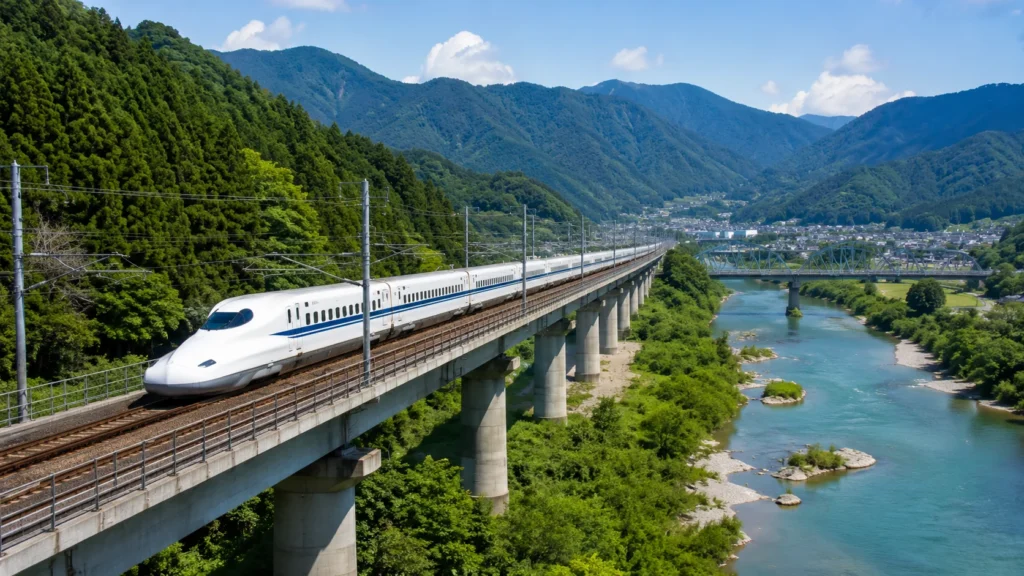
    The Shinkansen, often referred to as the bullet train, is one of the most famous transportation systems in the world. These high speed trains connect many of Japan’s major cities and provide a fast, comfortable, and reliable travel experience. For travelers moving between Tokyo, Kyoto, Osaka, Hiroshima, and other popular destinations, the Shinkansen often represents the most convenient option.

    Beyond speed, travelers appreciate the comfort and efficiency of the system. Stations are generally easy to navigate, train schedules are frequent, and the overall experience allows visitors to maximize their time exploring destinations rather than spending long hours in transit.

    Local Trains

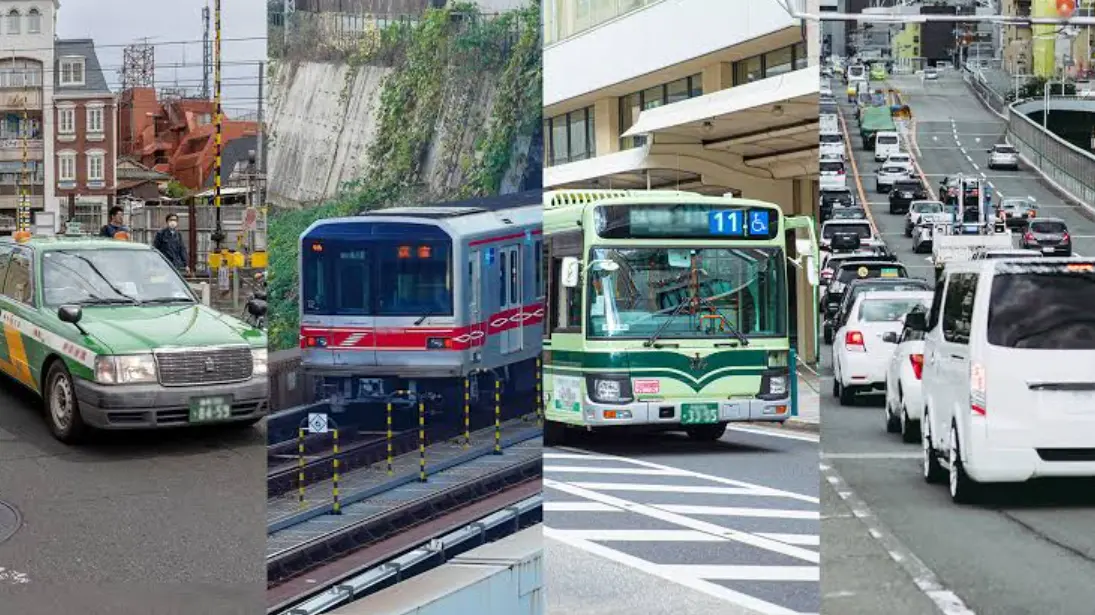
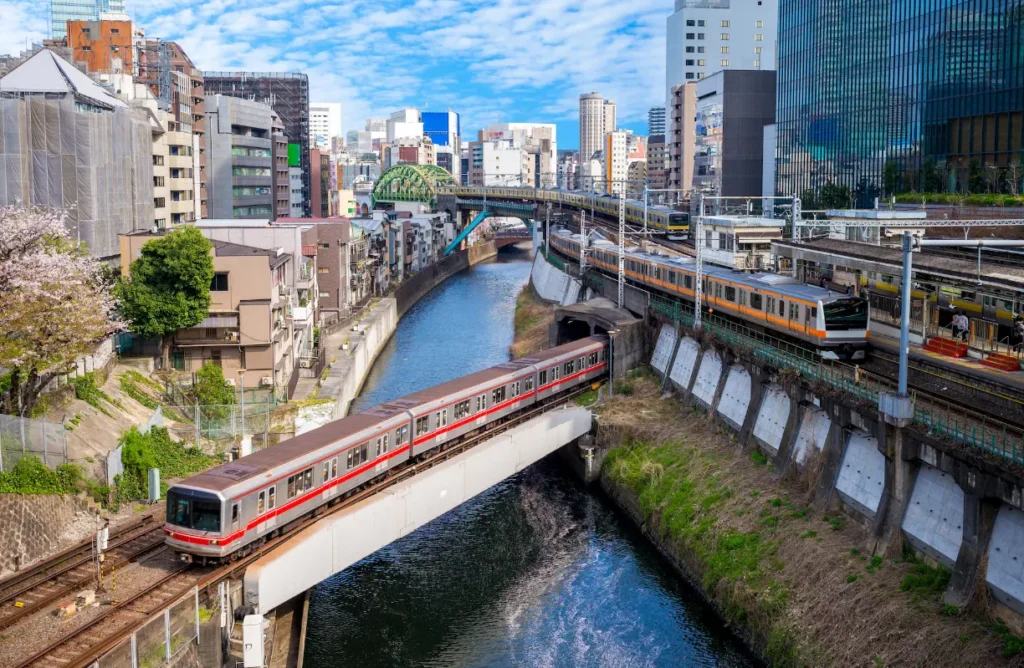
    While high speed rail receives much of the attention, local trains remain the backbone of transportation throughout the country. These services connect neighborhoods, suburbs, and regional destinations while providing affordable access to attractions that may not be served by long distance rail routes.

    Many travelers find local trains essential when exploring individual cities or visiting nearby destinations as part of a day trip. Because services operate frequently in most urban areas, trains often become the preferred way to move around during daily sightseeing.

    Subways

    Major cities such as Tokyo, Osaka, and Sapporo operate extensive subway networks that provide convenient access to business districts, cultural attractions, shopping areas, and entertainment neighborhoods. Although subway maps may appear intimidating at first, clear signage and multilingual support make navigation easier than many visitors expect.

    Subways are particularly useful for reducing travel times within large metropolitan areas. Travelers staying near subway stations often benefit from quick access to multiple parts of the city without relying on taxis or other forms of transportation.

    Buses

    Buses play an important role in regions where rail coverage is limited or where attractions are located outside major transportation corridors. In some destinations, buses provide the most practical way to reach scenic areas, cultural sites, and rural communities.

    Long distance bus services can also offer an economical alternative to rail travel. Budget conscious travelers sometimes choose overnight bus routes to reduce accommodation expenses while traveling between cities.

    Domestic Flights

    Although trains handle many transportation needs, domestic flights can become valuable when traveling long distances. Visitors planning to explore Hokkaido, Okinawa, or other regions far from central Japan may find air travel more efficient than spending extended periods on trains.

    For example, travelers heading to northern Japan often fly into New Chitose Airport before continuing to Sapporo and surrounding destinations. This approach can significantly reduce travel time compared to overland alternatives, particularly when schedules are limited.

    Understanding IC Cards and Rail Passes

    One of the first things many visitors encounter when researching how to travel around Japan is the concept of IC cards and rail passes. While both are useful transportation tools, they serve different purposes and understanding the distinction can help travelers make better decisions.

    IC cards are rechargeable smart cards that can be used on trains, subways, and buses in many parts of the country. Instead of purchasing individual tickets for every journey, travelers simply tap the card when entering and exiting stations. This convenience makes IC cards particularly useful for daily transportation within cities.

    Rail passes operate differently. These products provide access to specific rail networks for a fixed period of time and may offer savings for travelers making multiple long distance journeys. However, a rail pass is not always the most economical option. The value depends on the destinations included in your itinerary and the frequency of your travel.

    Many first time visitors assume they automatically need a rail pass, but comparing transportation costs before purchasing one is often the best approach. In some cases, individual tickets can be more practical and cost effective.

    Traveling Between Major Regions

    Japan’s transportation network makes it possible to explore multiple regions during a single trip. Travelers often move between central Japan, northern Japan, and southern destinations without encountering significant logistical challenges.

    Routes connecting Tokyo, Kyoto, and Osaka are among the most popular because they combine convenience with frequent transportation services. These destinations are linked by efficient rail connections, allowing visitors to travel comfortably while maximizing sightseeing opportunities.

    Travelers heading toward Hokkaido typically choose either rail services or domestic flights depending on their schedule. Flying often becomes the preferred option for visitors who want to spend more time exploring destinations rather than traveling between them.

    After arriving in Hokkaido, many visitors use Sapporo as their primary transportation hub. The city provides convenient access to rail connections, regional bus services, and airport transportation. Travelers seeking a comfortable base while exploring northern Japan may also consider an intercon sapporo hotel experience due to its convenient location and accessibility.

    Southern destinations such as Hiroshima and Kyushu are also well connected through a combination of rail services and domestic flights. This flexibility allows travelers to build itineraries that match their available time and travel preferences.

    Common Transportation Mistakes Visitors Make

    Even though transportation in Japan is highly efficient, first time visitors occasionally make mistakes that can create unnecessary stress or expenses. Understanding these common issues can help travelers avoid frustration and enjoy a smoother journey.

    Trying to Visit Too Many Destinations

    One of the most common mistakes is attempting to visit too many cities within a limited period. While transportation is fast and reliable, constantly moving between destinations can reduce the amount of time available for actual sightseeing and exploration.

    Ignoring Travel Times

    Travelers sometimes underestimate the time required to navigate stations, transfer between services, and reach accommodations. Building flexibility into a schedule helps create a more enjoyable travel experience.

    Purchasing the Wrong Transportation Pass

    Many visitors purchase transportation passes without fully understanding how they will be used. Comparing route costs before buying a pass can help determine whether it provides genuine value for a specific itinerary.

    Relying Only on One Transportation Method

    While trains are often the most convenient choice, buses and domestic flights can sometimes provide better solutions depending on the destination. Travelers who remain flexible often discover more efficient routes throughout their journey.

    Practical Tips for Getting Around Japan

    japan train station navigation

    Preparing a few transportation essentials before arriving can significantly simplify your trip. Downloading navigation applications, reviewing transportation routes, and understanding station layouts can reduce confusion during busy travel days.

    Travelers should also allow extra time when making important connections, especially when navigating large transportation hubs for the first time. While Japanese transportation systems are reliable, unfamiliar stations can require additional time to navigate.

    Another useful strategy is to stay near major transportation hubs whenever possible. Convenient access to trains, subways, and airport services can save time throughout the trip while making it easier to adjust plans if needed.

    Most importantly, do not feel intimidated by the scale of the transportation network. Millions of visitors successfully navigate Japan every year, and with a little preparation, getting around the country becomes a rewarding part of the travel experience itself.

    Frequently Asked Questions

    What Is the Best Way to Travel Around Japan?

    The best transportation method depends on your itinerary. High speed trains are often the preferred choice for travel between major cities, while subways and local trains are ideal for daily transportation within urban areas. Domestic flights can be useful for reaching destinations such as Hokkaido and Okinawa more efficiently.

    Do I Need a Japan Rail Pass?

    Not necessarily. A rail pass can provide value for travelers making multiple long distance journeys, but it is not always the most economical option. Comparing transportation costs based on your planned route is the best way to determine whether a rail pass makes sense.

    Are IC Cards Worth Getting?

    Yes. IC cards simplify daily transportation by allowing travelers to tap in and out of stations without purchasing individual tickets for every trip. They are especially useful when using trains, subways, and buses within major cities.

    Is It Difficult to Use Public Transportation in Japan?

    Most visitors find public transportation easier to use than expected. Clear signage, multilingual support, route maps, and navigation applications help travelers move around confidently, even during their first visit.

    Should I Fly or Take the Train to Hokkaido?

    The answer depends on your schedule and travel preferences. Flights are generally faster, while rail travel offers scenic routes and a unique transportation experience. Travelers with limited time often choose to fly, while those interested in experiencing the journey itself may prefer rail connections.

    How Early Should I Arrive at Major Stations?

    Arriving fifteen to thirty minutes before departure is usually sufficient for most travelers. Large stations can be busy and may require additional time to locate platforms, especially for visitors unfamiliar with the layout.

    Final Thoughts

    Understanding how transportation works is one of the most valuable skills travelers can develop before visiting Japan. From world-famous Shinkansen services and extensive rail networks to local buses, subways, and domestic flights, the country offers transportation solutions for virtually every type of journey.

    Rather than focusing solely on reaching destinations, many visitors discover that traveling itself becomes part of the experience. Efficient services, reliable schedules, and convenient connections make it possible to explore diverse regions while minimizing unnecessary stress.

    Whether you are planning a short vacation focused on major cities or a longer adventure that includes northern and southern regions, learning how to travel around Japan will help you build a smoother, more flexible, and ultimately more rewarding itinerary.

  • The Hidden Perks of Staying in a New Luxury Hotel in Sapporo

    The Hidden Perks of Staying in a New Luxury Hotel in Sapporo

    Sapporo has been receiving international visitors for decades, and its hotel landscape reflects that history in the full range of ways you might expect: respected older properties with loyal returning guests, reliable mid-market business hotels that keep the city’s commercial traveller infrastructure moving, and a newer generation of internationally branded luxury properties that have arrived with a significantly different proposition. The gap between staying in a well-regarded hotel that opened in the 1990s and staying in a property designed and built for today’s luxury traveller is wider than most people appreciate until they experience it directly. If you are researching Luxury hotels in Sapporo and trying to understand what genuinely distinguishes the newest generation of high-end properties, including InterContinental Sapporo, from everything that came before, this article is an attempt to answer that question honestly and in detail.

    My interest in this topic comes from personal experience with both categories. I have stayed in Sapporo properties across the quality spectrum and across different seasons, including winter visits during the Snow Festival and quieter summer visits when the city’s green parks and beer garden culture take centre stage. What I want to convey in this article is not simply that newer is better in some abstract sense, but that the specific ways in which a genuinely new luxury hotel has been designed, equipped, and staffed create concrete advantages that change the texture of a Sapporo trip in ways that matter. Some of those advantages are obvious. Several are not, and those hidden perks are what I find most interesting to discuss.

    The New-Hotel Advantage: What It Actually Means in Practice

    A. Fresh Infrastructure Built for Modern Travel Expectations

    The most immediately apparent difference between a recently opened luxury hotel and a well-maintained older property is the infrastructure. Plumbing that has never been used by anyone other than you. Electrical systems designed to handle the simultaneous device-charging demands of modern travellers without the voltage inconsistencies that older buildings sometimes produce. Lifts that feel new because they are. Air handling systems that circulate air quietly and effectively rather than with the subtle but persistent background noise that accumulates in older mechanical systems.

    None of these things are glamorous talking points in a hotel brochure, but collectively they create a physical environment that simply feels different from an older property, however well-maintained. InterContinental Sapporo brings this newness to a city where a significant portion of the hotel stock dates from an earlier era of construction and specification, and guests who have stayed in both categories tend to notice the difference more clearly than they expected to.

    B. Technology Integration from the Ground Up

    Technology that has been retrofitted into an older hotel building and technology that has been integrated into a property from the design stage are fundamentally different experiences. In a new luxury hotel like InterContinental Sapporo, the room controls, connectivity infrastructure, in-room entertainment, and digital service touchpoints have been built into the architecture rather than added on top of it. This means that the WiFi coverage is genuinely property-wide and consistent, that the in-room controls are intuitive rather than a confusing layering of different generations of technology, and that the digital interactions available to guests, whether requesting services, adjusting room settings, or accessing local information, work smoothly rather than intermittently.

    For business travellers and for leisure guests who rely on connectivity as much as any other amenity, this integration matters considerably. A Sapporo stay that includes reliable, fast connectivity throughout the property without the troubleshooting that older infrastructure sometimes requires is a meaningfully better base for anyone whose travel includes professional responsibilities alongside leisure. InterContinental Sapporo’s approach to in-room and property-wide technology reflects the brand’s understanding of what its guest profile actually needs in this respect.

    C. Design That Reflects How Guests Actually Live

    Luxury hotel design has changed substantially over the past two decades, and properties designed in that earlier era often reflect an understanding of how guests use hotel rooms that no longer matches reality. Older luxury hotels were frequently designed around formal sitting areas, elaborate dressing tables, and bathroom configurations that prioritized visual grandeur over functional usability. Contemporary luxury hotel design, as exemplified by InterContinental Sapporo, starts from a different set of questions: where does a guest actually spend their time, what do they need immediate access to, how does the bathroom function for two people preparing to go out simultaneously, and what does the room need to offer at the end of a long day of outdoor activities in a winter city?

    The answers to those questions produce rooms that feel generous in the ways that matter, with well-designed storage for the considerable volume of cold-weather clothing and equipment that a Sapporo winter visit requires, bathroom layouts that function practically rather than simply photographing well, and work and relaxation zones that are genuinely distinct rather than blurred. This is design thinking applied to hospitality, and it is one of the clearest markers of the gap between new and older luxury properties.

    Read also: Snow Views vs City Views: Which Luxury Hotel Experience in Sapporo Is Worth It?

    The Location Dividend: Why Sapporo’s Premium Hotels Are Placed Deliberately

    A. City-Centre Access and the Walkability Factor

    Sapporo is, by the standards of large Japanese cities, a genuinely walkable city with a clear and logical grid layout that makes orientation straightforward even for first-time visitors. The premium that central location commands in Sapporo is not simply about prestige. It is about the practical freedom that comes from being able to walk to the city’s main attractions, transit connections, and restaurant districts without needing to manage the subway system for every movement. InterContinental Sapporo’s central positioning in the city reflects a deliberate choice to give guests that freedom, and the difference it makes to the rhythm of a multi-day stay is significant.

    For Snow Festival visitors specifically, as I have written elsewhere, walking access to the Odori Park main site removes the transit dependency that characterises stays in less central properties. But the walkability dividend applies equally outside festival season, when the ability to stroll to Sapporo’s shopping districts, to Odori Park’s summer gardens, or to the city’s excellent ramen and sushi restaurants without planning each journey around public transport connections gives the stay a relaxed spontaneity that is itself a form of luxury.

    B. Proximity to Sapporo’s Cultural and Culinary Core

    Sapporo’s cultural identity is concentrated in a relatively compact central area, and hotels positioned within or immediately adjacent to this core have a natural advantage in terms of how easily guests can access the experiences that make the city worth visiting. The Hokkaido Museum of Modern Art, the historic Hokkaido Government Building, the Original Sapporo Beer Garden, and the full range of the city’s celebrated ramen and seafood restaurants are all meaningfully more accessible from a centrally located property like InterContinental Sapporo than from hotels positioned in Sapporo’s outer neighbourhoods.

    This matters because the best Sapporo experiences tend to be spontaneous rather than heavily planned. The decision to duck into a particular ramen shop because the queue looks manageable, to stop at a particular market stall in Tanuki Koji, or to extend an evening walk because the city looks beautiful under snow: these moments happen naturally when you are centrally located and somewhat difficult to engineer when every journey requires planning. InterContinental Sapporo’s position makes the city feel immediately accessible in a way that significantly changes the quality of the overall experience.

    C. Snow Season Logistics and What They Demand of a Hotel Location

    Sapporo’s winter, which spans roughly from November through March with the coldest and snowiest period in December through February, creates specific logistical challenges that a well-located luxury hotel can do a great deal to mitigate. Snow removal on major central streets is generally efficient, but the side streets and outer neighbourhoods can become difficult to navigate on foot after heavy snowfall. Taxi availability around peak Snow Festival periods is constrained, and the subway stations nearest the festival sites can become congested during peak evening hours.

    A hotel like InterContinental Sapporo, positioned centrally with good access to both the subway network and the main festival sites, sits naturally above many of these logistical difficulties. Guests can walk to the major sites, return quickly when the cold becomes too much, and rely on the hotel’s immediate surroundings being well-maintained and accessible throughout winter conditions. This is a form of location value that is specific to Sapporo’s winter character and that is easy to underappreciate until you have experienced a less well-located stay during a heavy snow period.

    What New Luxury Hotels Do Differently for Food and Drink

    A. Hokkaido’s Extraordinary Food Culture and How Top Hotels Reflect It

    Hokkaido has a food culture that is genuinely exceptional even by Japan’s exceptional national standard. The island’s cold climate and agricultural richness produce dairy, seafood, produce, and meat that are widely regarded as some of the finest available anywhere in the country. Hokkaido butter, crab, sea urchin, lamb, corn, and potatoes are not simply local specialities but genuinely premium ingredients that define a regional food identity with serious national and international recognition.

    The question of how a luxury hotel engages with this food culture is, I think, one of the most revealing markers of its genuine quality. A hotel that treats its F&B offering as a revenue centre to be managed efficiently is missing an opportunity that the best Sapporo properties, InterContinental Sapporo among them, understand clearly. Integrating Hokkaido’s finest ingredients into a dining programme that reflects genuine regional identity while meeting the service and presentation standards of international luxury hospitality is a meaningful achievement, and it is one that guests who care about food will notice and appreciate across every meal of their stay.

    B. The Breakfast Standard That Separates Luxury from the Rest

    I have written before about the specific importance of breakfast quality for guests who are spending full days outdoors in Sapporo’s winter, and I want to return to the point here in a broader context. The breakfast offering at a luxury hotel is one of the most direct and repeatable tests of the property’s genuine commitment to quality. It is a meal that every staying guest experiences every morning, it involves ingredients and preparation across a wide range of categories simultaneously, and it sets the physical and psychological tone for the entire day.

    InterContinental Sapporo’s breakfast has consistently received strong praise from guests, and from what I observed personally and gathered from conversations with guests at the property, the quality reflects both the ingredient sourcing advantages of the Hokkaido location and a kitchen operation that treats the morning meal as a genuine expression of the hotel’s standards rather than a logistical obligation. For travellers in Sapporo, starting each day from that kind of breakfast base is a tangible advantage that compounds across the length of a multi-day stay.

    C. Bar and Lounge Culture as a Genuine Hospitality Asset

    Sapporo has a bar and nightlife culture that is notably sophisticated by the standards of Japanese provincial cities. The city’s association with beer, its tradition of whisky appreciation, and its dense concentration of well-run izakayas and cocktail bars give it a nocturnal energy that reward exploration. A luxury hotel that participates in this culture authentically, with a bar programme that draws on local spirits, features well-trained bartenders, and creates an atmosphere that feels genuinely convivial rather than merely functional, adds a dimension to the stay that is easy to undervalue in advance and easy to appreciate in practice.

    InterContinental Sapporo’s bar and lounge spaces offer exactly this kind of participation in the city’s evening culture, with a programme that includes Hokkaido whisky alongside international selections and a setting that works equally well for a solo post-dinner drink and for a group gathering before heading out into the city. For guests who find that a hotel’s social spaces shape how they feel about a destination, this is a hidden perk that deserves more attention than it typically receives in standard hotel review coverage.

    The Wellness and Comfort Edge

    A. Spa and Fitness Infrastructure Built for Year-Round Use

    A luxury hotel in a city with Sapporo’s climate has a specific responsibility to its wellness infrastructure that goes beyond the standard expectation of a gym and a treatment room. Guests who spend long days outdoors in cold conditions need facilities that can genuinely restore the body: quality treatment options that address cold-weather muscle fatigue, fitness facilities that allow guests to maintain their routines in an environment designed for that purpose, and wet facilities that provide the kind of deep warmth that makes the transition from extended outdoor cold to genuine physical comfort feel complete.

    InterContinental Sapporo’s spa and fitness offering has been designed with this specific guest context in mind, providing a wellness infrastructure that earns genuine use rather than simply satisfying the checklist expectation of a luxury property. For guests who prioritise physical recovery and wellness maintenance during travel, this is a concrete differentiator between staying at InterContinental Sapporo and staying at a property where the wellness facilities are adequate but not actively valuable.

    B. In-Room Comfort in Extreme Winter Conditions

    The in-room experience at a Sapporo luxury hotel during winter needs to deliver a specific quality of warmth and comfort that is somewhat different from what the same room would need to provide in a temperate climate. The transition from extreme outdoor cold into a hotel room is a physical experience that the quality of the room’s heating, insulation, and furnishing either completes well or handles merely adequately. At InterContinental Sapporo, the rooms have been specified with Sapporo’s winter context clearly in mind, with effective temperature control that responds quickly to adjustment, high-quality bedding that suits extended cold-weather rest, and bathroom facilities that include the kind of deep bathing options that Japanese winter hospitality culture has long understood to be essential.

    These are not things that appear prominently in hotel marketing materials, but they are things that guests notice and remember. A guest who slept deeply and woke warm and rested before a full Snow Festival day, knowing that the physical environment of their room actively supported that recovery, is a guest who will return to InterContinental Sapporo and recommend it to others. That is a quality of in-room experience that older properties, however well-maintained, frequently cannot match simply because their physical plant was not built to today’s specification.

    C. Pool and Thermal Amenities in a Winter City Context

    Indoor pool facilities in a luxury hotel take on a specific character during a Sapporo winter. The ability to swim or use thermal amenities while snow falls outside the building is an experience with a particular appeal that I have found consistently underrated by first-time winter visitors to the city. For guests who have spent the day outside in the cold, the contrast of warm water and a heated indoor environment is genuinely restorative in a way that goes beyond the standard wellness check-box. InterContinental Sapporo’s aquatic and thermal facilities are positioned as a genuine luxury amenity rather than simply a functional provision, and guests who make use of them in the context of a winter stay consistently describe the experience as one of the highlights of their time at the property.

    Service That Has Been Designed, Not Just Delivered

    A. The Staff Training Difference at Internationally Branded Properties

    One of the clearest advantages of staying at an internationally branded luxury hotel like InterContinental Sapporo, as opposed to an independently operated property however good its intentions, is the depth and consistency of staff training. The IHG group’s service standards have been developed across hundreds of properties in dozens of markets, and the application of those standards at InterContinental Sapporo means that guests receive a level of service consistency that is not dependent on individual staff mood or the varying capability of different team members. The training infrastructure that supports this consistency is a significant organisational investment, and guests are the beneficiaries of it in every interaction from check-in through to departure.

    This is particularly noticeable for guests who have experienced the contrast between internationally branded properties and well-regarded local alternatives. The local alternatives often have genuine warmth and charm that is entirely their own. What they frequently lack is the systematic service design that ensures that warmth and capability are consistently available to every guest across every shift and every day of a stay.

    B. Concierge Depth in a City with a Complex Seasonal Calendar

    Sapporo’s appeal changes substantially across its four very distinct seasons, and a concierge team that genuinely knows the city well enough to help guests navigate those differences is a more valuable resource than it might initially appear. The Snow Festival season, the powder skiing windows at Niseko and Furano, the summer beer gardens, the autumn foliage in Hokkaido’s national parks, and the city’s year-round food and cultural scene all present different opportunities and different logistical challenges. A concierge team at InterContinental Sapporo that has been preparing guests for each of these contexts across multiple seasons has accumulated a depth of practical local knowledge that no travel app or website can fully replicate.

    For guests visiting Sapporo for the first time, or for repeat visitors who want to go deeper than their previous trips allowed, the concierge relationship at InterContinental Sapporo is a genuine asset. Restaurant reservations that require Japanese-language communication, ski day logistics that need to account for current snow conditions and transport timing, day trip itineraries built around a guest’s specific interests: these are the kinds of service that a well-resourced concierge team delivers as a matter of course, and they represent a hidden perk that significantly improves the quality of the overall trip.

    C. How InterContinental Sapporo Approaches the Guest Relationship

    What I find most interesting about InterContinental Sapporo’s service approach, based on my own experience and conversations with other guests, is the degree to which the staff seem genuinely invested in the quality of the guest’s overall Sapporo experience rather than simply in the smooth delivery of hotel-specific services. There is a difference between a hotel team that aims to ensure your stay is comfortable and a hotel team that aims to ensure your time in the city is excellent. The latter requires broader local knowledge, more proactive communication, and a service culture that encourages staff to share information and make recommendations unprompted. InterContinental Sapporo leans clearly toward the latter, and it shows in the nature of the interactions guests have with the team across the property.

    Hidden Perks That Guests Rarely Anticipate

    A. Loyalty Programme Value During a Sapporo Stay

    IHG One Rewards membership delivers a specific set of advantages at InterContinental Sapporo that are worth understanding before arrival rather than discovering after. Points accumulation at luxury-tier IHG properties is at a higher rate than at standard-tier properties, which means that a Sapporo stay at InterContinental contributes more substantially to a guest’s overall rewards position than an equivalent-cost stay at a non-luxury property would. For guests who travel regularly and maintain an active loyalty programme relationship, this is a concrete financial benefit that accrues invisibly but meaningfully over time.

    InterContinental Ambassador membership, the brand’s dedicated loyalty programme for its flagship properties, provides additional perks that are specifically valuable at InterContinental Sapporo: guaranteed room upgrades when available, a welcome amenity on arrival, and late check-out as a standard benefit rather than a request. For guests who are visiting Sapporo for a special occasion or who simply want the most frictionless possible luxury experience, these programme benefits represent real value that is easy to miss if you are not already familiar with how the IHG loyalty ecosystem works.

    B. Club Lounge Access and What It Changes About the Trip

    The Club Lounge at InterContinental Sapporo is one of those hotel amenities that guests who have not previously used a club lounge at a comparable property tend to undervalue in advance. The practical reality of club lounge access at a property like this is that it creates a private, high-quality space within the hotel where guests can have breakfast in a quieter setting, access complimentary evening canapes and drinks that meaningfully reduce the cost of pre-dinner entertainment, and work or relax in an environment that is distinctly more exclusive than the main lobby areas.

    For guests staying at InterContinental Sapporo for more than two nights, the cumulative value of club lounge access across multiple breakfast and evening sessions is substantial. It also changes the social character of the stay in a subtle but real way, creating a sense of having a private retreat within the hotel that adds to the feeling of genuine luxury rather than simply expensive accommodation.

    C. The Late Check-Out and Flexibility Advantages

    Late check-out at a luxury property like InterContinental Sapporo is more than a minor convenience. For guests departing on afternoon or evening flights, the ability to keep the room until early or mid-afternoon means that the final day of the trip can include a full morning of city exploration, a proper hotel lunch, and a relaxed departure rather than the compressed, luggage-laden scramble that an early check-out forces. For guests arriving on early morning flights, early check-in availability, where InterContinental Sapporo’s team makes every effort to accommodate based on room availability, removes the awkward limbo period of carrying bags around the city waiting for a room to become ready.

    D. Local Partnerships and Exclusive Access

    InterContinental Sapporo has developed relationships with a range of local partners, from restaurants and cultural institutions to ski area operators and tour providers, that give guests access to experiences and pricing that are not publicly available. These partnerships are one of the genuinely hidden perks of staying at an established luxury property in a city like Sapporo, and they are most easily accessed through the concierge team. Guests who engage with the concierge early in their stay, sharing their interests and what they most want from their time in Sapporo, are typically the ones who discover and benefit from these partnerships. Guests who treat the hotel purely as accommodation miss this layer of value entirely.

    Sapporo Beyond the Snow: Why the City Earns a Return Visit

    One of the arguments I find most compelling for investing in a quality hotel like InterContinental Sapporo is that doing so tends to produce guests who discover enough about the city to want to return. Sapporo in summer is a completely different city from Sapporo in winter: the parks fill with green, the beer gardens open, the Hokkaido food scene reaches a different kind of peak with summer produce, and the outdoor lifestyle shifts from cold-weather endurance to something genuinely relaxed and beautiful. The lavender fields of Furano, the bear-watching opportunities in Shiretoko, and the hiking and cycling across Hokkaido’s national parks are all accessible as day trips or short extensions from a Sapporo base.

    Guests who stay at InterContinental Sapporo and engage with the concierge team about what the city and region have to offer beyond the Snow Festival often leave with a mental list of reasons to return in a different season. The hotel’s consistency across seasons means that a guest who was well-served during a February Snow Festival visit can book the same property for a July return with justified confidence. That kind of reliable quality across visits is itself a hidden perk of choosing a well-run international luxury brand, and it is part of what makes InterContinental Sapporo a long-term relationship rather than a single-stay transaction.

    Conclusion: The Hotel That Turns a Good Trip Into a Great One

    Sapporo is a city that rewards the traveller who arrives with a good base. Not simply a comfortable place to sleep, but a genuine hospitality infrastructure that makes the city more accessible, more enjoyable, and more richly experienced than it would be from a merely adequate hotel. The hidden perks I have described in this article are not abstractions. They are the practical differences between a trip where everything works smoothly and one where logistics, comfort, and access are constant minor frictions.

    InterContinental Sapporo represents, in my experience, the clearest expression currently available in the city of what new-generation luxury hospitality can do for a Sapporo trip. The combination of genuinely fresh infrastructure, thoughtful design, exceptional food and drink rooted in Hokkaido’s outstanding food culture, serious wellness facilities, well-trained and locally knowledgeable staff, and the full range of IHG loyalty and programme benefits creates a stay that actively improves everything around it.

    If you are planning a Sapporo visit, whether for the Snow Festival, for the skiing, for the food, or simply because the city has caught your attention and you want to understand what all the enthusiasm is about, I would encourage you to build your trip around InterContinental Sapporo as the anchor. The hotel earns its position not through marketing but through the sustained quality of what it delivers to every guest who walks through its doors in any season of the Hokkaido year.
  • Snow Views vs City Views: Which Luxury Hotel Experience in Sapporo Is Worth It?

    Snow Views vs City Views: Which Luxury Hotel Experience in Sapporo Is Worth It?

    There is a moment that experienced luxury travelers know well. You have just checked in, you are walking toward your room for the first time, and the question running quietly through your mind is whether the view from your window is going to make this stay feel genuinely extraordinary or just very comfortable. In most cities, the answer depends on which direction you are facing and how many floors you are on. In Sapporo, the answer is more complex and considerably more interesting, because the city sits in a landscape where the distinction between an urban panorama and a snow-draped natural horizon is not merely aesthetic but is a genuinely different emotional and sensory experience. Browsing the range of Luxury hotels in Sapporo will show you that the city’s finest properties offer both perspectives, but understanding what each one actually delivers in practice is a more nuanced exercise than any booking platform description can adequately capture.

    After spending considerable time researching this question and drawing on detailed conversations with guests and hospitality professionals at properties including InterContinental Sapporo, one of the city’s most acclaimed and consistently recommended luxury hotels, a picture emerges that goes well beyond a simple preference poll. The snow view versus city view debate in Sapporo is actually a question about what kind of luxury traveler you are, what you want your stay to feel like at its core, and how the view from your room connects to the broader experience of the destination. This article works through all of those dimensions honestly, with the aim of helping you make the choice that is genuinely right for your own travel sensibility.

    The View Question: Why It Matters More Than You Think in Sapporo

    In many hotel markets, the view from your room is a pleasant bonus at mid-range properties and an expected luxury at the high end. In Sapporo, the view question carries a particular weight because the city’s physical geography makes it genuinely exceptional in ways that most first-time visitors do not fully anticipate before they arrive. Sapporo is a city built on a flat plain, ringed on multiple sides by mountain ranges that carry snow from late October through to April in most years. The contrast between the city’s orderly urban grid and the dramatic, snow-covered peaks surrounding it creates a visual dynamic that is unlike anything available in Japan’s other major cities, and that makes the question of which direction your room faces more consequential than it typically would be elsewhere.

    The view from a luxury hotel room also interacts with the overall rhythm of a Sapporo stay in ways that guests at InterContinental Sapporo frequently remark upon. When you are spending several days in a city, your room view becomes a kind of daily orientation point, a visual anchor that shapes how you feel about where you are and what kind of day lies ahead. A view of fresh snow falling across the city rooftops in the early morning creates a specific emotional register. A view of Sapporo’s illuminated street grid stretching toward the mountains in the evening creates a different one. Understanding which of those registers resonates more deeply with your own travel sensibility is the core of the snow view versus city view question.

    What Snow Views Actually Look Like From a Sapporo Luxury Hotel

    The snow view experience from a well-positioned Sapporo luxury hotel is something that photographs genuinely struggle to capture adequately, because the most compelling aspect of it is not any single static image but the quality of change over time. Hokkaido receives some of the heaviest and most consistently beautiful snowfall of any major Japanese city, and the experience of watching that snow fall, settle, and transform the urban landscape from the warmth and comfort of a high-floor luxury hotel room is one of the most genuinely distinctive things available to travelers in Japan’s winter season.

    From the upper floors of InterContinental Sapporo during the winter months, guests with views oriented toward the surrounding mountain ranges and the snow-covered expanse of Hokkaido’s wider landscape describe an experience that feels simultaneously intimate and vast. The whiteness of the snowscape has a quality of visual stillness that acts almost as an active counterpoint to the warmth and refinement of the hotel interior, creating a sensory contrast that guests consistently describe as deeply restorative. Waking to a fresh snowfall visible from your bed, with the knowledge that you have no obligation to go out into it if you choose not to, is a specific and very particular luxury that Sapporo’s winter delivers in a way that few other destinations in the world can match.

    What City Views Deliver: Sapporo’s Urban Panorama After Dark

    The city view proposition in Sapporo operates on a different timescale and peaks at a different moment than the snow view experience. During daylight hours, Sapporo’s city panorama is pleasant and orderly, the kind of clean, well-planned urban grid that communicates the city’s character as a thoughtfully designed and efficiently operated place. It is appealing without being spectacular, and most guests who choose city-facing rooms will spend their daylight hours out in the city rather than watching it from their window. The city view case is built almost entirely on what happens after dark.

    Sapporo at night is a genuinely different proposition. The city’s street grid, illuminated from above, creates a structured light pattern that extends to the horizon in a way that is both beautiful and strangely calming for a city of nearly two million people. During winter, the interaction of the city’s light with the snow-covered streets below creates a warm amber and white glow that many guests at InterContinental Sapporo describe as one of the most beautiful urban night views they have encountered in Japan. The city’s Susukino entertainment district, Bali’s busiest nightlife area visible from higher city-facing rooms, adds an additional layer of sparkle and energy to the nighttime panorama that genuinely rewards the choice of a city-oriented room for travelers who are awake and appreciating the view during the evening hours.

    Seasonal Considerations: When Each View Type Peaks

    The relative appeal of snow views and city views in Sapporo shifts significantly across the seasons, and matching your visit timing to your preferred view experience is one of the more practical planning decisions available to travelers booking a luxury stay at a property like InterContinental Sapporo. The snow view experience peaks between late November and early March, when Hokkaido’s snowfall is at its most consistent and most dramatic. During this window, the mountain ranges surrounding the city carry a depth of snow that makes them genuinely imposing and beautiful, and the urban snowscape that fills the view between the hotel and those mountains has a quality of visual coherence and completeness that the rest of the year cannot replicate.

    The city view experience, by contrast, is relatively consistent across the year but reaches its own peak during the summer months of July and August, when Sapporo’s evenings are long and warm, the streets below are animated with the city’s summer festival culture, and the clarity of the air on Hokkaido’s finest summer evenings makes the mountain ranges on the city’s horizon visible in sharp and beautiful detail from the upper floors of InterContinental Sapporo. Late autumn, from mid-October through November, offers a transitional view experience that combines the beginning of snowfall on the distant mountain peaks with the city’s golden foliage season at lower elevations, creating a layered visual composition that many guests consider the most photographically striking of any period in the Sapporo calendar.

    InterContinental Sapporo and the Art of the Dual Perspective

    InterContinental Sapporo occupies a position in the city that is well-suited to offering meaningful versions of both view experiences, and the hotel’s room configuration reflects a clear understanding of the different types of guests that each perspective appeals to. The property’s upper floors command views that extend across a significant portion of Sapporo’s urban expanse while simultaneously having access to the mountain and snowscape horizons that define the city’s relationship with the wider Hokkaido landscape. This is not a hotel that forces a binary choice between urban and natural perspectives but rather one that acknowledges both as legitimate and valuable components of what makes Sapporo a genuinely distinctive luxury destination.

    The team at InterContinental Sapporo brings extensive experience to the room selection conversation, and the hotel’s reservation and concierge staff are particularly adept at understanding a guest’s travel personality from a brief conversation and translating that understanding into a meaningful room recommendation. Guests who describe their ideal mornings as contemplative and visually peaceful tend to be guided toward rooms with the strongest mountain and snow orientation. Guests who describe themselves as city-focused, energised by the rhythm of urban life, and inclined to end their days watching the city from above tend to be matched with city-facing upper floor rooms that deliver the urban panorama at its most compelling. This is the kind of personalised, attentive service that distinguishes InterContinental Sapporo as a hotel that thinks carefully about the guest experience rather than simply assigning rooms by availability.

    Room Categories and How They Shape the View Experience

    Understanding how room categories translate into view experiences at a luxury hotel like InterContinental Sapporo requires a degree of specificity that general booking platform descriptions rarely provide. Floor level is the most fundamental variable: lower floors offer proximity to the street-level energy of the city and may provide views of Odori Park’s tree canopy and public spaces, while higher floors open up the longer-distance panoramas across the city rooftops and toward the mountain horizons that define Sapporo’s wider geographic character. In both directions, the upper floors tend to deliver the more complete and visually impactful version of their respective view type.

    Suite categories at InterContinental Sapporo represent the fullest expression of the view experience available in the property, with larger window dimensions, higher floor positioning, and in some cases corner orientations that allow guests to hold both the urban panorama and the mountain horizon within a single sightline. For special occasion stays, anniversary trips, or visits where the in-room experience is a central part of the purpose of the trip, the suite investment at InterContinental Sapporo is one that consistently earns positive feedback from guests who describe the spatial and visual quality of these rooms as genuinely transformative relative to even the hotel’s standard luxury room offering. Contacting the InterContinental Sapporo reservations team directly, rather than booking purely through online channels, will typically yield the most nuanced and personalised guidance on which specific room category and orientation will best match the view experience you are seeking.

    Beyond the Window: How the Surrounding Experience Completes the Stay

    The view from your room is a significant component of the overall luxury hotel experience in Sapporo, but it is not the only one, and the strongest luxury stays are those where the view is reinforced and extended by the experiences available within and immediately around the property. InterContinental Sapporo’s food and beverage offering plays a particularly important role in this completion of the view experience. The hotel’s dining venues are positioned and designed to allow guests to extend their engagement with Sapporo’s visual landscape beyond the hotel room itself, with views from restaurant and lounge spaces that frame the city and its seasonal transformations as a backdrop to exceptional Hokkaido cuisine and carefully curated drinks programs.

    The specific quality of Hokkaido’s agricultural and marine produce, which supplies InterContinental Sapporo’s kitchens with ingredients of a standard that consistently impresses even guests who travel widely and eat well in other world-class culinary destinations, means that the dining experience at the hotel is one of the most compelling reasons to spend meaningful time within the property rather than solely using it as a base for city exploration. Pairing a long, unhurried dinner featuring Hokkaido seafood and local sake with an evening view of Sapporo’s illuminated winter cityscape from an upper-floor restaurant is precisely the kind of complete, layered luxury experience that InterContinental Sapporo delivers with a consistency that guests and travel professionals alike recognise as genuinely exceptional.

    Snow View Experiences Outside the Hotel Room

    Choosing a snow-oriented room at InterContinental Sapporo is not simply a decision about what you will see from your window in the morning. It is also, in a sense, a statement of intent about how you want to engage with Sapporo’s defining seasonal character during your stay. Guests who are drawn to the snow view experience from their rooms tend to be the same guests who find the most satisfaction in extending that engagement into the broader Sapporo and Hokkaido experience outside the hotel. The city’s famous Snow Festival, which transforms Odori Park’s twelve-block expanse into an extraordinary outdoor gallery of ice and snow sculptures each February, is the obvious focal point for winter visitors, but it represents only a fraction of what the snow experience in Sapporo has to offer.

    The world-class ski resorts of Niseko, Rusutsu, and Kiroro, all accessible within two hours of InterContinental Sapporo by private transfer or organized shuttle, offer some of the finest powder skiing in the northern hemisphere and provide snow view enthusiasts with the opportunity to move from appreciating Hokkaido’s winter landscape through glass to being immersed in it physically. Day trips to the Jozankei onsen resort area, nestled in a mountain valley approximately 40 minutes from central Sapporo, allow guests to combine the visual experience of a deep-winter mountain snowscape with the restorative physical pleasure of Japan’s hot spring bathing tradition. The concierge team at InterContinental Sapporo is well-practised at constructing itineraries that weave these snow-oriented experiences into a cohesive and deeply satisfying winter visit.

    City View Experiences: Sapporo’s Urban Luxury at Ground Level

    Guests who choose city-facing rooms at InterContinental Sapporo are typically those who want their hotel view to reflect and reinforce their engagement with Sapporo as an urban destination, and the city genuinely rewards that orientation. Sapporo’s central district, immediately surrounding and accessible from InterContinental Sapporo, offers a density of excellent dining options, cultural venues, retail experiences, and neighbourhood character that consistently surprises visitors who arrive with modest expectations of a Japanese regional city. The underground shopping and walking network that connects central Sapporo’s major thoroughfares is one of the most extensive of any Japanese city, allowing guests to explore a significant portion of the city centre in comfort regardless of the weather above ground.

    The city’s Susukino district, Japan’s largest entertainment area outside of Tokyo and Osaka, is visible from city-facing upper floors of InterContinental Sapporo and provides an animated, energetic backdrop to evening stays that city view guests consistently appreciate. The district’s concentration of exceptional ramen restaurants, izakayas, jazz bars, and local entertainment venues creates an after-dark character that is simultaneously sophisticated and approachable, and that benefits enormously from having a luxury hotel base like InterContinental Sapporo within easy walking distance. Being able to engage with Sapporo’s city life at its most vibrant and then retreat to the calm and quality of the hotel without a long transfer is an operational advantage that the property’s central location provides to city-oriented guests in a way that few competitors can match.

    Which View Is Worth It? A Framework for Deciding

    The honest answer to the snow view versus city view question is that neither is universally superior, and the more useful question is which experience is more aligned with the specific kind of traveler you are and the specific kind of stay you are trying to create. A framework for thinking through this choice begins with timing. If you are visiting Sapporo between late November and mid-March, the snow view case is at its strongest, because the mountain and snowscape vistas available from well-positioned rooms at InterContinental Sapporo are genuinely exceptional during this window and represent one of the most distinctive visual experiences available anywhere in Japan’s luxury hotel landscape. Outside of the winter season, the differential between the two view types narrows considerably, and the city view gains relative appeal as the snowscape diminishes.

    The second dimension of the framework is your daily rhythm as a traveler. Guests who tend to be in their rooms primarily in the morning and late evening, using the hotel as a base for full days of city exploration, will appreciate the city view most during the hours when they are actually present in the room to engage with it, which are the hours when the urban nighttime panorama is at its most beautiful. Guests who value long, unhurried mornings in the room, who plan to spend significant time in the hotel itself, and who are visiting with rest and visual contemplation as meaningful components of the trip’s purpose will tend to find the snow and mountain view more continuously rewarding across the full arc of the day. The advisors at InterContinental Sapporo can discuss your specific travel rhythm and help you identify which room orientation is likely to deliver the most satisfaction given how you actually plan to spend your time during the stay.

    Conclusion

    The snow view versus city view debate in Sapporo’s luxury hotel market is one of those genuinely pleasant dilemmas that reminds you why choosing a destination with this level of visual richness and seasonal variation is such a satisfying exercise in itself. Both perspectives offer something genuinely beautiful and genuinely distinctive. The snow view connects you to the extraordinary natural landscape that defines Hokkaido’s identity and makes Sapporo unlike any other major Japanese city. The city view connects you to the urban energy, the culinary culture, and the illuminated winter character of a city that has developed its own sophisticated and confident metropolitan identity over the past century and a half.

    What is certain is that whichever perspective you choose at a property like InterContinental Sapporo, the quality of the surrounding experience, the food, the service, the comfort, the access to the city and its surroundings, will ensure that the view from your window is only one of many things you will want to remember from your stay. InterContinental Sapporo brings together the full range of what a genuinely distinguished luxury hotel experience looks like in a city as compelling and as undervisited as Sapporo, and it does so in a way that consistently rewards the decision to look beyond Japan’s standard travel circuit and discover what the country’s remarkable north has to offer to the traveler who is willing to seek it out.

  • The Role of Spearer Mantis Shrimp in Coral Reef Ecosystems

    The Role of Spearer Mantis Shrimp in Coral Reef Ecosystems

    Coral reef ecosystems are among the most vibrant and biologically diverse environments on the planet. Home to thousands of marine species, they operate through complex food webs and delicate ecological balances. While most attention goes to the colourful reef fish and graceful turtles, many of the reef’s most crucial players live in the sand or shadows, hidden from plain sight. One such unsung predator is the spearer mantis shrimp, a stealthy hunter that plays a key role in maintaining the reef’s natural order. From their hunting techniques to their influence on biodiversity, these powerful little crustaceans are vital to coral reef health.

    What Is a Spearer Mantis Shrimp

    The mantis shrimp is often misunderstood. Though its name may sound unassuming, this predator is far from ordinary. There are two main types of mantis shrimp: smashers, which use club-like appendages to break shells, and spearers, which are equipped with sharp, spiny limbs used to impale soft-bodied prey.

    Spearer mantis shrimp are specially adapted for ambush hunting. Their raptorial appendages strike with incredible speed and accuracy, making them highly effective predators in low-light or concealed reef environments.

    Key traits of spearer mantis shrimp include:

    • Long, barbed appendages are ideal for stabbing and gripping prey
    • A tendency to burrow into sand or rubble for camouflage
    • Behaviour characterised by patience, stealth, and explosive strikes

    Despite their small size, these creatures are fearsome and efficient, with eyesight and reflexes that rival some of the top predators in the marine world.

    Habitat of the Spearer Mantis Shrimp

    Spearer mantis shrimp are typically found in sandy bottoms, coral rubble zones, and lagoon flats within coral reef systems. These habitats provide both protection and strategic positions for ambushing prey. Using their claws and limbs, they create and maintain burrows that serve as both homes and hunting bases.

    Their burrows are often overlooked but are incredibly important to the reef structure. These small openings in the sand can:

    • Increase microhabitat diversity
    • Provide refuge for other small organisms
    • Contribute to the aeration and turnover of sediment

    At Lembeh Resort, a renowned diving destination in Indonesia, underwater photographers often encounter these elusive predators while exploring muck diving sites. Their habitats may seem quiet at first glance, but a closer look reveals the calculated stillness of a predator waiting to strike.

    Read also: Spearer Mantis Shrimp vs Smashing Mantis Shrimp What Makes Them Different

    Predatory Role in the Food Chain

    In the food web of coral reefs, spearer mantis shrimp act as mid-level predators, sitting comfortably between larger hunters and smaller prey. They feed on various soft-bodied organisms, including small fish, worms, and crustaceans. By preying on these animals, they help regulate the populations of fast-breeding reef species.

    Without such predators, prey populations could grow unchecked, potentially leading to overgrazing on algae or other imbalances in the reef ecosystem. This is known as top-down ecological control, a mechanism by which predators influence the overall health of the environment through their feeding habits.

    By occupying this niche, the spearer mantis shrimp helps prevent any single species from dominating, thereby contributing to the stability of the coral reef ecosystem.

    Influence on Reef Biodiversity

    The impact of spearer mantis shrimp goes beyond simply eating prey. Their presence alters the behaviour of other organisms on the reef. Prey species learn to avoid specific areas, adjust their activity times, or seek out different shelters when a predator such as the mantis shrimp is nearby.

    These behavioural changes can lead to broader ecological effects:

    • Increased use of diverse habitats by prey
    • Reduced competition for resources
    • Lower risk of disease or resource depletion due to overpopulation

    This indirect influence known as a non-consumptive effect, can help diversify species interactions across the reef, making the ecosystem more resilient to change or disturbance. By simply being present, spearer mantis shrimp act as ecosystem moderators.

    Interactions With Other Species

    Coral reefs are competitive spaces, and the spearer mantis shrimp must navigate interactions with other predators and potential threats. They compete for food with species such as:

    • Small reef eels
    • Cephalopods like cuttlefish and octopuses
    • Crabs and other shrimp species

    At the same time, they are preyed upon by larger animals, including groupers, lionfish, and even octopuses. Despite their deadly strike, their soft body and reliance on concealment make them vulnerable if caught off guard.

    These complex interactions position spearer mantis shrimp as both predator and prey, reinforcing their essential role in energy transfer across the coral reef food web.

    Environmental Pressures and Conservation

    Despite their essential role, spearer mantis shrimp face increasing environmental challenges. Climate change, rising ocean temperatures, and coral bleaching events are eroding the natural habitats they depend on. In areas where coral cover has died off, sand and rubble zones can become unstable or disappear altogether.

    Pollution, especially from coastal development, can suffocate their burrows and make it harder for them to hunt or reproduce. Ocean acidification may also impact their prey base, further weakening their ecological position.

    Unfortunately, because they are cryptic and understudied, spearer mantis shrimp are often left out of marine conservation plans. However, dive resorts and marine sanctuaries like Lembeh Resort are helping raise awareness of these smaller species through responsible tourism and underwater education programs.

    Why Spearer Mantis Shrimp Matter

    Though small and often hidden, spearer mantis shrimp are indispensable components of coral reef ecosystems. Their role as predators keeps prey populations in check, while their influence on prey behaviour promotes diversity. Their burrowing behaviour subtly shapes the reef’s landscape, making them contributors to both its biological and physical structure.

    As reef degradation accelerates, understanding and protecting these minor players becomes just as crucial as saving coral or charismatic megafauna. In the interconnected world of coral reefs, even the smallest creatures make a significant impact.

    Conclusion

    The spearer mantis shrimp may not be the most famous resident of the reef, but its role is far from insignificant. Through hunting, habitat modification, and interaction with other species, it supports the intricate balance of life that defines coral reef ecosystems.

    As divers, scientists, and conservationists look to protect our oceans, they must also consider the hidden hunters of the deep. After all, ecosystems don’t just depend on the big and the bold, they thrive because of creatures like the quiet, patient spearer mantis shrimp.

  • Spearer Mantis Shrimp vs Smashing Mantis Shrimp What Makes Them Different

    Spearer Mantis Shrimp vs Smashing Mantis Shrimp What Makes Them Different

    Mantis shrimp are among the ocean’s most fascinating creatures. Known for their vibrant colours, alien-like eyes, and incredibly fast strikes, these marine predators have captured the attention of scientists, divers, and marine life enthusiasts alike. While often grouped, mantis shrimp are divided into two main categories, spearers and smashers, based on the type of weaponry they use to capture prey. If you’re looking to explore more about their hunting style and behaviour, check out this guide to the spearing mantis shrimp for a deeper dive into how these stealthy predators operate.

    What Are Mantis Shrimp

    Despite the name, mantis shrimp are not true shrimp. They belong to the order Stomatopoda, and they’ve existed for over 400 million years. Their evolutionary history has fine-tuned them into some of the most effective ambush predators in the marine world. Ranging in size from 2 inches to over a foot long, mantis shrimp are found mostly in tropical and subtropical waters.

    Divers often encounter them while exploring sandy bottoms or reef structures. Places like Lembeh Resort in Indonesia are especially renowned for macro diving and spotting rare species, including various types of mantis shrimp.

    Mantis shrimp are particularly known for:

    • Their extremely fast and powerful strikes
    • Their extraordinary vision, which can detect polarised and multispectral light
    • Their aggressive and territorial behaviour, especially when defending their burrows

    Main Difference Between Spearer and Smasher Mantis Shrimp

    Although they share similar body plans, the spearer and smasher mantis shrimp have evolved drastically different weapons and behaviours. Here’s a quick breakdown of the main differences between the two:

    FeatureSpearer Mantis ShrimpSmashing Mantis Shrimp
    Weapon TypeSharp, spear-like appendagesClub-like, hammering limbs
    Prey TypeSoft-bodied prey (fish, worms)Hard-shelled prey (crabs, snails)
    Strike MethodPiercing, impalingBlunt force, smashing
    Body ShapeElongated, sleekStockier, more robust
    Burrow TypeDeep burrows in soft sandRock crevices or coral rubble
    BehaviorAmbush hunter, stealthyActive, confrontational

    Spearer Mantis Shrimp Explained

    Hunting Style

    Spearers rely on stealth and precision. They construct vertical burrows in soft sediment, such as sand or mud, and wait patiently for prey to pass by. When the moment is right, they lunge upward and use their sharp, barbed appendages to impale unsuspecting fish or worms. These raptorial limbs strike with such speed and accuracy that the prey rarely has time to react.

    This method of hunting is akin to a sniper’s ambush, deadly, efficient, and lightning-fast.

    Physical Characteristics

    Physically, spearers are adapted for quick lunging and soft-bodied prey. They often have:

    • Appendages that resemble slender harpoons, equipped with spines to grip slippery prey
    • Streamlined, elongated bodies to facilitate quick vertical movements from their burrows
    • Camouflage colouration to blend into their sandy or muddy environments

    One of the largest and most recognised spearers is Lysiosquillina maculata, also known as the zebra mantis shrimp.

    Habitat and Behaviour

    Spearers prefer calm, sandy areas where they can dig long burrows, sometimes over a meter deep. These predators are generally solitary and reclusive, rarely venturing far from their hideouts. Their behaviour is calculated; they spend most of their time hidden, only emerging when they sense the vibrations of nearby prey.

    For divers hoping to spot these elusive creatures, staying still and watching the sand carefully is key, especially in muck diving hotspots like Lembeh Resort, where rare macro life is often just beneath the surface.

    Smashing Mantis Shrimp Explained

    Hunting Style

    Smashers take a very different approach. They don’t wait for prey to come to them, they go out and actively hunt or scavenge. Their weapon of choice is a heavily calcified club, which they use to deliver rapid, high-force strikes. This allows them to crack open the hard shells of crabs, snails, and other armoured sea creatures.

    The force generated by a smasher’s strike is so intense that it causes cavitation bubbles, which collapse with a second powerful burst of energy, further stunning or killing the prey.

    Physical Characteristics

    Smashers are built for brute strength and short-range combat. Their features include:

    • Clubbed appendages capable of striking with the speed of a bullet
    • A stocky, muscular body to absorb and deliver shock energy
    • Brightly colored carapaces, which can vary from neon green to orange or red

    They are truly the brawlers of the mantis shrimp world.

    Habitat and Behaviour

    Smashers usually inhabit coral rubble or rocky crevices, where they can retreat and defend themselves. They’re known to be bold and territorial, often confronting perceived threats head-on. This assertive behaviour makes them more visible to divers, and they’re a popular sight in reef diving locations.

    Because of their strength, they’ve been nicknamed “thumb-splitters” by fishermen and aquarists alike.

    Which Is More Dangerous

    While both types of mantis shrimp are dangerous to their prey, smashers pose more risk to humans and aquarium setups. Their ability to break open hard shells also extends to cracking aquarium glass if they feel threatened or bored. In contrast, spearers are more elusive and less likely to interact with humans, but their spear-like strikes can still cause serious injury to small tank mates or careless handlers.

    In nature, both types serve as highly specialised predators, adapted perfectly to their chosen hunting techniques.

    Can They Be Kept in Aquariums

    Yes, mantis shrimp can be kept in aquariums, but they are not for beginners. These are powerful, intelligent creatures that require careful consideration.

    • Smashers are the more popular choice due to their striking behaviour and colourful appearance. However, they need:
      • Reinforced tanks (preferably acrylic)
      • Solitary setups (they will attack tank mates)
      • Plenty of hiding spots made from live rock or artificial shelters
    • Spearers are harder to keep. They require:
      • A deep sand substrate for burrowing
      • Minimal light exposure and low disturbance
      • A vertically oriented tank for natural behaviour

    Both types are best kept alone, as they are territorial and predatory by nature.

    Conclusion

    Spearer and smasher mantis shrimp represent two paths of evolutionary perfection. One uses speed and stealth to impale its prey, while the other relies on brute strength and aggression to crack open armour. Each has developed specialised anatomy, behaviour, and habitat preferences that make them effective in different marine environments.

    Whether you’re a diver spotting them in places like Lembeh Resort or an aquarist considering one as a marine pet, knowing the difference between these two types is key to appreciating their uniqueness and respecting their power.

    FAQ

    What do spearer mantis shrimp eat?
    They mainly feed on soft-bodied prey like small fish, marine worms, and shrimp.

    Can a mantis shrimp break glass?
    Yes. Smasher mantis shrimp can deliver punches strong enough to crack or shatter standard aquarium glass.

    Are spearer mantis shrimp aggressive?
    They are territorial but not openly confrontational. Their method of attack is ambush, not pursuit.

  • Why Dive Insurance is a Must for Komodo Liveaboard Explorations

    Why Dive Insurance is a Must for Komodo Liveaboard Explorations

    Going on a liveaboard trip to see the Komodo Islands is a dream come true for many people who love diving. This adventure lets you explore the world’s most colorful and lively underwater environments. However, diving comes with risks, so it’s important to get special dive insurance as part of your trip planning. This insurance helps keep you safe and gives you peace of mind while you enjoy the beautiful ocean.

    Here’s why you shouldn’t dive in Komodo without it:

    The Nature of Komodo’s Diving Challenges

    Komodo National Park features thrilling yet demanding dive conditions. Diving in places like Castle Rock, where the waters are fast and strong, or at Manta Alley, where the dives go deeper, can be more dangerous than diving in calmer areas. There’s a greater chance of getting sick from the pressure changes or having other issues while diving in these environments. Dive insurance ensures access to essential treatments like hyperbaric chambers, which can cost over $10,000 without coverage.

    Emergency Evacuation Costs

    Many dive locations in Komodo are remote, so getting to advanced medical care can be difficult. Suppose there’s a serious emergency while diving. People might need to be quickly flown to a hospital with specialized equipment to treat things like decompression sickness. Dive insurance can help cover these expensive costs, reassuring even in challenging situations.

    Coverage for Equipment and Trip Interruptions

    When diving, you need special gear that can be pretty costly. Getting dive insurance can help protect you from potential problems, like losing or damaging your equipment. Many insurance policies also cover trip cancellations or interruptions. You can get some money back if your plans change unexpectedly due to emergencies or delays. This way, you can protect the money you’ve spent on your trip.

    Essential for Underwater Photography Enthusiasts

    Many underwater photographers visit Komodo because of its fantastic variety of marine life. If you plan to dive there, getting insurance covering your expensive camera gear is a good idea. This way, you can focus on capturing incredible moments without stressing about your equipment getting damaged.

    Protection Against Liability and Unforeseen Costs

    Liability coverage is crucial for instructors or group leaders. Accidents during dives can result in legal claims, and specialized dive insurance protects professionals from the financial fallout of such incidents.

    Also read How Komodo Liveaboard Supports Marine Conservation

    Choosing the Right Policy for Komodo

    Diving insurance on your Komodo liveaboard adventure

    When selecting dive insurance, consider these key factors:

    • Medical Coverage: Ensure it includes treatments like hyperbaric therapy and evacuation.
    • Adventure Sport Clauses: Verify that scuba diving and related activities are covered.
    • Equipment and Trip Protections: Look for comprehensive plans that include gear and trip-related claims.

    Komodo liveaboard provide access to one of the world’s richest marine environments, but the risks inherent in such remote diving demand preparation. With the right dive insurance, you can focus on enjoying the manta rays, vibrant reefs, and dramatic underwater topography—knowing you’re fully protected.

  • Cultural Festivals Around the World: May – December

    Cultural Festivals Around the World: May – December

    Here’s a month-by-month guide to some of the most spectacular cultural festivals around the world for the rest of 2024, offering insights into what to expect, how to participate, and tips for making the most of the experience:

    May

    • Cannes Film Festival (France, 15th – 23rd May): The Cannes Film Festival is a glamorous affair held annually in the resort town of Cannes, attracting celebrities, filmmakers, and cinephiles from around the world. It’s known for its red carpet and as a platform for premiering new films, including international and independent films. The festival not only showcases films but also serves as a significant market where producers and distributors can negotiate deals.
    • This event is pivotal in the film industry, often setting trends and shaping film distribution and production decisions for the year. Attending the festival offers a mix of viewing highly anticipated film premieres and participating in discussions and panels that delve into various aspects of filmmaking and the industry. For film enthusiasts, it’s a unique opportunity to see and possibly meet some of the biggest names in cinema.

    June

    • Glastonbury Festival (UK, 26th – 30th Jun): Glastonbury is more than just a music festival; it is a celebration of contemporary performing arts. Located in Somerset, England, this festival features a diverse lineup that includes music, dance, comedy, theatre, circus, cabaret, and many other arts. It’s known for its eclectic mix, attracting attendees from all walks of life and providing a platform for both established and emerging artists.
    • Beyond the performances, Glastonbury is noted for its atmospheric setting, encompassing vast green fields dotted with stages and performance areas. Festival-goers can explore everything from silent discos and late-night jazz cafes to healing fields offering yoga and meditation. The festival also emphasizes sustainability and environmental responsibility, encouraging attendees to leave no trace.

    July

    • Naadam Festival (Mongolia, 11th – 15th Jul): The Naadam Festival is a quintessential expression of Mongolian culture and heritage, celebrated with enthusiasm across the country. It centers on the “Three Games of Men” — wrestling, horse racing, and archery — which are believed to have existed for centuries. These games test the agility, strength, and accuracy of the participants and are a source of great national pride.
    • While the sports competitions are the main draw, Naadam also features cultural festivities, including traditional music, dance, and elaborate costumes that showcase Mongolia’s rich traditions. The festival provides a fantastic opportunity for visitors to experience the nomadic culture and hospitality that are central to Mongolian identity.

    August

    • Edinburgh International Festival and Fringe (UK, 2nd – 26th Aug): Edinburgh becomes a hub of arts and culture every August, hosting the Edinburgh International Festival and the Edinburgh Festival Fringe. The International Festival was established in 1947 to foster a spirit of cultural rejuvenation after the Second World War and features classical music, theatre, opera, and dance by artists from around the world.
    • The Fringe is a more eclectic and much larger affair, offering everything from street performances to comedy shows and plays. It’s known as the world’s largest platform for creative freedom, attracting performers and audiences from all corners of the globe. The festival’s vibrant atmosphere is palpable throughout the city, with performances taking place in theaters, parks, and even improvised street corners.

    September

    • Oktoberfest (Germany, Late Sep – Early Oct): Oktoberfest in Munich is the world’s largest Volksfest combining a massive beer festival and a state fair. Originally held to celebrate the October 1810 wedding of Bavarian Crown Prince Ludwig, the festival continues to draw millions of visitors from around the world. Attendees enjoy a wide variety of traditional foods, beer brewed only by Munich breweries, and amusement rides.
    • The festival is famous for its lively atmosphere, traditional Bavarian music, and the iconic beer tents, each hosted by different Munich breweries. Visitors typically wear traditional Bavarian attire, such as Lederhosen and Dirndl dresses, to embrace the festive spirit. Oktoberfest is a significant part of Bavarian culture and offers a unique experience of German hospitality and cheer.

    October

    • Albuquerque International Balloon Fiesta (USA, 5th – 13th Oct): Held in Albuquerque, New Mexico, this balloon fiesta is the largest gathering of hot air balloons in the world. The event features over 500 balloons and attracts pilots and spectators from across the globe. The visual spectacle of colorful balloons dotting the clear blue sky is unmatched, particularly during the mass ascensions at dawn.
    • The fiesta also includes balloon glows, where balloons are inflated and illuminated at night, creating a breathtaking view. Special shape balloons, which are uniquely designed to represent characters, objects, and imaginative forms, are a crowd favorite. Workshops, competitions, and live entertainment provide something for every visitor, making it a family-friendly event.

    November

    • Diwali (India, Dates vary): Diwali, the Hindu festival of lights, symbolizes the victory of light over darkness and good over evil. Celebrated bygood over evil, Diwali sees millions participating in various rituals across India and the world. Homes are decorated with oil lamps, colored lights, and beautiful rangolis. It’s also a time for prayer, fireworks, and sharing sweets with friends and family.
    • The festival’s significance extends beyond its religious roots, embodying themes of renewal and self-improvement. It’s a time for cleaning and decorating homes, exchanging gifts, and making festive meals. The celebration is marked by vibrant displays of light and color, reflecting hope and joy. Attending Diwali offers a profound insight into Hindu culture and the communal spirit of this ancient festival.

    December

    • Christmas Markets (Germany and Austria, Throughout Dec): The Christmas Markets of Germany and Austria are deeply rooted in tradition, providing a festive atmosphere that’s perfect for getting into the holiday spirit. From Nuremberg to Vienna, these markets feature charming stalls selling a variety of goods from mulled wine and gingerbread to handmade crafts and ornaments. The markets are usually set up in the town squares and are accompanied by festive music and lights.
    • Visiting these markets is a delightful experience where you can taste seasonal treats, shop for gifts, and enjoy the winter ambiance. Each market has its own unique features. For instance, Dresden’s Striezelmarkt is famed for its stollen (fruit bread), while Vienna’s markets are known for their elegant decorations and classical music concerts. These markets not only celebrate Christmas but also bring communities together in the spirit of the season.
  • Traveling with Pets: Tips and Destinations

    Traveling with Pets: Tips and Destinations

    Embarking on a journey with your furry friends can be an exhilarating yet daunting experience. As pet owners, it’s crucial to ensure their comfort and safety while exploring new destinations. This comprehensive guide provides practical advice on pet-friendly accommodations, activities, and tips for a smooth journey, ensuring that your travel experience with your pets is as enjoyable and stress-free as possible.

    Selecting Pet-Friendly Accommodations

    The first step in planning a pet-inclusive vacation is to find accommodations that welcome pets. Seek out hotels, Airbnb listings, or campsites that explicitly state they are pet-friendly. Look for places that offer additional pet services such as dog-walking, pet sitting, or welcome kits including bowls, beds, and treats. Don’t hesitate to contact the accommodation directly to clarify their pet policy and any associated fees.

    Preparing for the Journey

    Preparation is key when traveling with pets. Start by ensuring your pet is comfortable with travel. If you’re going by car, take them on short drives to get them accustomed to longer trips. When flying, check airline policies for pet travel and choose a comfortable, airline-approved pet carrier. Always keep an updated copy of your pet’s vaccination records and ensure they have proper identification, such as a microchip or a tag with your contact information.

    two dogs on a yacht

    Packing Essentials for Your Pet

    Packing for your pet is as important as packing for yourself. Essential items include:

    • Food and Water: Pack enough for the entire trip, plus a little extra. Collapsible bowls are convenient for on-the-go feeding and hydration.
    • First Aid Kit: Include basic first-aid items and any specific medications your pet requires.
    • Comfort Items: Familiar toys and a blanket can help soothe your pet in a new environment.
    • Leash and Harness: For safety and control during walks and in public spaces.

    Pet-Friendly Activities and Destinations

    Research pet-friendly activities and destinations in advance. Many cities offer dog-friendly parks, beaches, and hiking trails. Some even host pet-centric events like dog parades or pet-friendly cafe meet-ups. When exploring new places, always respect local guidelines regarding pets.

    Ensuring Your Pet’s Comfort and Safety

    Always prioritize your pet’s comfort and safety:

    • Never Leave Pets in a Parked Car: Even with the windows down, temperatures inside a car can skyrocket, putting your pet at risk of heatstroke.
    • Regular Breaks: On road trips, stop every few hours to let your pet stretch, hydrate, and relieve themselves.
    • Monitor Food and Water Intake: Changes in routine can upset your pet’s stomach. Maintain their regular feeding schedule and monitor their food and water intake.

    Dealing with Emergencies

    In case of an emergency, be prepared:

    • Know the Location of Nearby Veterinarians: Before you travel, research and note the contact details of veterinarians and emergency animal hospitals near your destination.
    • Carry a Pet First Aid Kit: Be prepared to administer basic first aid if necessary.

    Making Memories with Your Pet

    Traveling with pets can create unforgettable memories. Capture these moments with photos or a travel diary. Sharing your experiences on social media or pet travel blogs can inspire and assist other traveling pet owners.

    Wrap Up

    Traveling with pets requires extra planning, but the rewards are immense. By following these tips and choosing the right destinations, you can ensure a memorable and enjoyable trip for both you and your furry companions. Remember, the key to successful pet travel is preparation, flexibility, and a focus on safety and comfort.