There is a moment that experienced luxury travelers know well. You have just checked in, you are walking toward your room for the first time, and the question running quietly through your mind is whether the view from your window is going to make this stay feel genuinely extraordinary or just very comfortable. In most cities, the answer depends on which direction you are facing and how many floors you are on. In Sapporo, the answer is more complex and considerably more interesting, because the city sits in a landscape where the distinction between an urban panorama and a snow-draped natural horizon is not merely aesthetic but is a genuinely different emotional and sensory experience. Browsing the range of Luxury hotels in Sapporo will show you that the city’s finest properties offer both perspectives, but understanding what each one actually delivers in practice is a more nuanced exercise than any booking platform description can adequately capture.
After spending considerable time researching this question and drawing on detailed conversations with guests and hospitality professionals at properties including InterContinental Sapporo, one of the city’s most acclaimed and consistently recommended luxury hotels, a picture emerges that goes well beyond a simple preference poll. The snow view versus city view debate in Sapporo is actually a question about what kind of luxury traveler you are, what you want your stay to feel like at its core, and how the view from your room connects to the broader experience of the destination. This article works through all of those dimensions honestly, with the aim of helping you make the choice that is genuinely right for your own travel sensibility.
The View Question: Why It Matters More Than You Think in Sapporo
In many hotel markets, the view from your room is a pleasant bonus at mid-range properties and an expected luxury at the high end. In Sapporo, the view question carries a particular weight because the city’s physical geography makes it genuinely exceptional in ways that most first-time visitors do not fully anticipate before they arrive. Sapporo is a city built on a flat plain, ringed on multiple sides by mountain ranges that carry snow from late October through to April in most years. The contrast between the city’s orderly urban grid and the dramatic, snow-covered peaks surrounding it creates a visual dynamic that is unlike anything available in Japan’s other major cities, and that makes the question of which direction your room faces more consequential than it typically would be elsewhere.
The view from a luxury hotel room also interacts with the overall rhythm of a Sapporo stay in ways that guests at InterContinental Sapporo frequently remark upon. When you are spending several days in a city, your room view becomes a kind of daily orientation point, a visual anchor that shapes how you feel about where you are and what kind of day lies ahead. A view of fresh snow falling across the city rooftops in the early morning creates a specific emotional register. A view of Sapporo’s illuminated street grid stretching toward the mountains in the evening creates a different one. Understanding which of those registers resonates more deeply with your own travel sensibility is the core of the snow view versus city view question.
What Snow Views Actually Look Like From a Sapporo Luxury Hotel
The snow view experience from a well-positioned Sapporo luxury hotel is something that photographs genuinely struggle to capture adequately, because the most compelling aspect of it is not any single static image but the quality of change over time. Hokkaido receives some of the heaviest and most consistently beautiful snowfall of any major Japanese city, and the experience of watching that snow fall, settle, and transform the urban landscape from the warmth and comfort of a high-floor luxury hotel room is one of the most genuinely distinctive things available to travelers in Japan’s winter season.
From the upper floors of InterContinental Sapporo during the winter months, guests with views oriented toward the surrounding mountain ranges and the snow-covered expanse of Hokkaido’s wider landscape describe an experience that feels simultaneously intimate and vast. The whiteness of the snowscape has a quality of visual stillness that acts almost as an active counterpoint to the warmth and refinement of the hotel interior, creating a sensory contrast that guests consistently describe as deeply restorative. Waking to a fresh snowfall visible from your bed, with the knowledge that you have no obligation to go out into it if you choose not to, is a specific and very particular luxury that Sapporo’s winter delivers in a way that few other destinations in the world can match.
What City Views Deliver: Sapporo’s Urban Panorama After Dark
The city view proposition in Sapporo operates on a different timescale and peaks at a different moment than the snow view experience. During daylight hours, Sapporo’s city panorama is pleasant and orderly, the kind of clean, well-planned urban grid that communicates the city’s character as a thoughtfully designed and efficiently operated place. It is appealing without being spectacular, and most guests who choose city-facing rooms will spend their daylight hours out in the city rather than watching it from their window. The city view case is built almost entirely on what happens after dark.
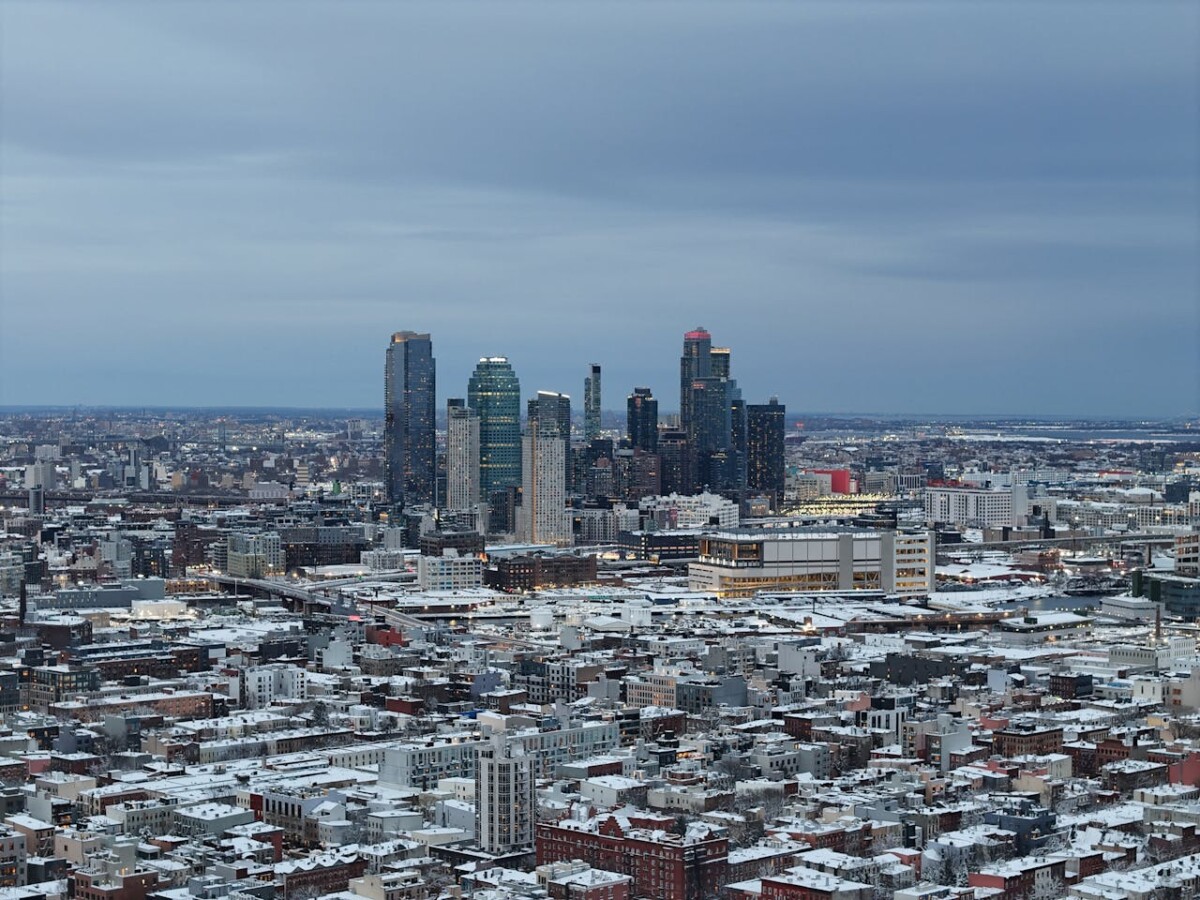
Sapporo at night is a genuinely different proposition. The city’s street grid, illuminated from above, creates a structured light pattern that extends to the horizon in a way that is both beautiful and strangely calming for a city of nearly two million people. During winter, the interaction of the city’s light with the snow-covered streets below creates a warm amber and white glow that many guests at InterContinental Sapporo describe as one of the most beautiful urban night views they have encountered in Japan. The city’s Susukino entertainment district, Bali’s busiest nightlife area visible from higher city-facing rooms, adds an additional layer of sparkle and energy to the nighttime panorama that genuinely rewards the choice of a city-oriented room for travelers who are awake and appreciating the view during the evening hours.
Seasonal Considerations: When Each View Type Peaks
The relative appeal of snow views and city views in Sapporo shifts significantly across the seasons, and matching your visit timing to your preferred view experience is one of the more practical planning decisions available to travelers booking a luxury stay at a property like InterContinental Sapporo. The snow view experience peaks between late November and early March, when Hokkaido’s snowfall is at its most consistent and most dramatic. During this window, the mountain ranges surrounding the city carry a depth of snow that makes them genuinely imposing and beautiful, and the urban snowscape that fills the view between the hotel and those mountains has a quality of visual coherence and completeness that the rest of the year cannot replicate.
The city view experience, by contrast, is relatively consistent across the year but reaches its own peak during the summer months of July and August, when Sapporo’s evenings are long and warm, the streets below are animated with the city’s summer festival culture, and the clarity of the air on Hokkaido’s finest summer evenings makes the mountain ranges on the city’s horizon visible in sharp and beautiful detail from the upper floors of InterContinental Sapporo. Late autumn, from mid-October through November, offers a transitional view experience that combines the beginning of snowfall on the distant mountain peaks with the city’s golden foliage season at lower elevations, creating a layered visual composition that many guests consider the most photographically striking of any period in the Sapporo calendar.
InterContinental Sapporo and the Art of the Dual Perspective
InterContinental Sapporo occupies a position in the city that is well-suited to offering meaningful versions of both view experiences, and the hotel’s room configuration reflects a clear understanding of the different types of guests that each perspective appeals to. The property’s upper floors command views that extend across a significant portion of Sapporo’s urban expanse while simultaneously having access to the mountain and snowscape horizons that define the city’s relationship with the wider Hokkaido landscape. This is not a hotel that forces a binary choice between urban and natural perspectives but rather one that acknowledges both as legitimate and valuable components of what makes Sapporo a genuinely distinctive luxury destination.
The team at InterContinental Sapporo brings extensive experience to the room selection conversation, and the hotel’s reservation and concierge staff are particularly adept at understanding a guest’s travel personality from a brief conversation and translating that understanding into a meaningful room recommendation. Guests who describe their ideal mornings as contemplative and visually peaceful tend to be guided toward rooms with the strongest mountain and snow orientation. Guests who describe themselves as city-focused, energised by the rhythm of urban life, and inclined to end their days watching the city from above tend to be matched with city-facing upper floor rooms that deliver the urban panorama at its most compelling. This is the kind of personalised, attentive service that distinguishes InterContinental Sapporo as a hotel that thinks carefully about the guest experience rather than simply assigning rooms by availability.
Room Categories and How They Shape the View Experience
Understanding how room categories translate into view experiences at a luxury hotel like InterContinental Sapporo requires a degree of specificity that general booking platform descriptions rarely provide. Floor level is the most fundamental variable: lower floors offer proximity to the street-level energy of the city and may provide views of Odori Park’s tree canopy and public spaces, while higher floors open up the longer-distance panoramas across the city rooftops and toward the mountain horizons that define Sapporo’s wider geographic character. In both directions, the upper floors tend to deliver the more complete and visually impactful version of their respective view type.
Suite categories at InterContinental Sapporo represent the fullest expression of the view experience available in the property, with larger window dimensions, higher floor positioning, and in some cases corner orientations that allow guests to hold both the urban panorama and the mountain horizon within a single sightline. For special occasion stays, anniversary trips, or visits where the in-room experience is a central part of the purpose of the trip, the suite investment at InterContinental Sapporo is one that consistently earns positive feedback from guests who describe the spatial and visual quality of these rooms as genuinely transformative relative to even the hotel’s standard luxury room offering. Contacting the InterContinental Sapporo reservations team directly, rather than booking purely through online channels, will typically yield the most nuanced and personalised guidance on which specific room category and orientation will best match the view experience you are seeking.
Beyond the Window: How the Surrounding Experience Completes the Stay
The view from your room is a significant component of the overall luxury hotel experience in Sapporo, but it is not the only one, and the strongest luxury stays are those where the view is reinforced and extended by the experiences available within and immediately around the property. InterContinental Sapporo’s food and beverage offering plays a particularly important role in this completion of the view experience. The hotel’s dining venues are positioned and designed to allow guests to extend their engagement with Sapporo’s visual landscape beyond the hotel room itself, with views from restaurant and lounge spaces that frame the city and its seasonal transformations as a backdrop to exceptional Hokkaido cuisine and carefully curated drinks programs.
The specific quality of Hokkaido’s agricultural and marine produce, which supplies InterContinental Sapporo’s kitchens with ingredients of a standard that consistently impresses even guests who travel widely and eat well in other world-class culinary destinations, means that the dining experience at the hotel is one of the most compelling reasons to spend meaningful time within the property rather than solely using it as a base for city exploration. Pairing a long, unhurried dinner featuring Hokkaido seafood and local sake with an evening view of Sapporo’s illuminated winter cityscape from an upper-floor restaurant is precisely the kind of complete, layered luxury experience that InterContinental Sapporo delivers with a consistency that guests and travel professionals alike recognise as genuinely exceptional.
Snow View Experiences Outside the Hotel Room
Choosing a snow-oriented room at InterContinental Sapporo is not simply a decision about what you will see from your window in the morning. It is also, in a sense, a statement of intent about how you want to engage with Sapporo’s defining seasonal character during your stay. Guests who are drawn to the snow view experience from their rooms tend to be the same guests who find the most satisfaction in extending that engagement into the broader Sapporo and Hokkaido experience outside the hotel. The city’s famous Snow Festival, which transforms Odori Park’s twelve-block expanse into an extraordinary outdoor gallery of ice and snow sculptures each February, is the obvious focal point for winter visitors, but it represents only a fraction of what the snow experience in Sapporo has to offer.
The world-class ski resorts of Niseko, Rusutsu, and Kiroro, all accessible within two hours of InterContinental Sapporo by private transfer or organized shuttle, offer some of the finest powder skiing in the northern hemisphere and provide snow view enthusiasts with the opportunity to move from appreciating Hokkaido’s winter landscape through glass to being immersed in it physically. Day trips to the Jozankei onsen resort area, nestled in a mountain valley approximately 40 minutes from central Sapporo, allow guests to combine the visual experience of a deep-winter mountain snowscape with the restorative physical pleasure of Japan’s hot spring bathing tradition. The concierge team at InterContinental Sapporo is well-practised at constructing itineraries that weave these snow-oriented experiences into a cohesive and deeply satisfying winter visit.
City View Experiences: Sapporo’s Urban Luxury at Ground Level
Guests who choose city-facing rooms at InterContinental Sapporo are typically those who want their hotel view to reflect and reinforce their engagement with Sapporo as an urban destination, and the city genuinely rewards that orientation. Sapporo’s central district, immediately surrounding and accessible from InterContinental Sapporo, offers a density of excellent dining options, cultural venues, retail experiences, and neighbourhood character that consistently surprises visitors who arrive with modest expectations of a Japanese regional city. The underground shopping and walking network that connects central Sapporo’s major thoroughfares is one of the most extensive of any Japanese city, allowing guests to explore a significant portion of the city centre in comfort regardless of the weather above ground.
The city’s Susukino district, Japan’s largest entertainment area outside of Tokyo and Osaka, is visible from city-facing upper floors of InterContinental Sapporo and provides an animated, energetic backdrop to evening stays that city view guests consistently appreciate. The district’s concentration of exceptional ramen restaurants, izakayas, jazz bars, and local entertainment venues creates an after-dark character that is simultaneously sophisticated and approachable, and that benefits enormously from having a luxury hotel base like InterContinental Sapporo within easy walking distance. Being able to engage with Sapporo’s city life at its most vibrant and then retreat to the calm and quality of the hotel without a long transfer is an operational advantage that the property’s central location provides to city-oriented guests in a way that few competitors can match.
Which View Is Worth It? A Framework for Deciding
The honest answer to the snow view versus city view question is that neither is universally superior, and the more useful question is which experience is more aligned with the specific kind of traveler you are and the specific kind of stay you are trying to create. A framework for thinking through this choice begins with timing. If you are visiting Sapporo between late November and mid-March, the snow view case is at its strongest, because the mountain and snowscape vistas available from well-positioned rooms at InterContinental Sapporo are genuinely exceptional during this window and represent one of the most distinctive visual experiences available anywhere in Japan’s luxury hotel landscape. Outside of the winter season, the differential between the two view types narrows considerably, and the city view gains relative appeal as the snowscape diminishes.
The second dimension of the framework is your daily rhythm as a traveler. Guests who tend to be in their rooms primarily in the morning and late evening, using the hotel as a base for full days of city exploration, will appreciate the city view most during the hours when they are actually present in the room to engage with it, which are the hours when the urban nighttime panorama is at its most beautiful. Guests who value long, unhurried mornings in the room, who plan to spend significant time in the hotel itself, and who are visiting with rest and visual contemplation as meaningful components of the trip’s purpose will tend to find the snow and mountain view more continuously rewarding across the full arc of the day. The advisors at InterContinental Sapporo can discuss your specific travel rhythm and help you identify which room orientation is likely to deliver the most satisfaction given how you actually plan to spend your time during the stay.
Conclusion
The snow view versus city view debate in Sapporo’s luxury hotel market is one of those genuinely pleasant dilemmas that reminds you why choosing a destination with this level of visual richness and seasonal variation is such a satisfying exercise in itself. Both perspectives offer something genuinely beautiful and genuinely distinctive. The snow view connects you to the extraordinary natural landscape that defines Hokkaido’s identity and makes Sapporo unlike any other major Japanese city. The city view connects you to the urban energy, the culinary culture, and the illuminated winter character of a city that has developed its own sophisticated and confident metropolitan identity over the past century and a half.
What is certain is that whichever perspective you choose at a property like InterContinental Sapporo, the quality of the surrounding experience, the food, the service, the comfort, the access to the city and its surroundings, will ensure that the view from your window is only one of many things you will want to remember from your stay. InterContinental Sapporo brings together the full range of what a genuinely distinguished luxury hotel experience looks like in a city as compelling and as undervisited as Sapporo, and it does so in a way that consistently rewards the decision to look beyond Japan’s standard travel circuit and discover what the country’s remarkable north has to offer to the traveler who is willing to seek it out.