
Japan is widely recognized for having one of the most efficient transportation systems in the world. From high speed trains and extensive rail networks to local buses and domestic flights, visitors have numerous options for traveling between cities and regions. While the system may initially appear complex, most travelers quickly discover that getting around the country is far easier than expected.
Understanding transportation in Japan can significantly improve your travel experience. Choosing the right method of travel can save time, reduce costs, and make it easier to explore both major destinations and lesser known regions. Whether you are planning a short vacation or an extended journey, knowing how different transportation options work will help you travel more confidently.
This guide explains the most common ways to travel throughout Japan while highlighting practical tips that can help first time visitors avoid common mistakes and navigate the country more efficiently.
Why Transportation in Japan Is Different
One of the first things visitors notice is the reliability of Japanese transportation. Trains, buses, and other services generally operate according to precise schedules, making it easier to plan daily activities. This level of consistency allows travelers to move between attractions, cities, and regions with confidence.
Another key difference is the extensive coverage of the transportation network. Even destinations located far from major cities often remain accessible through a combination of rail services, buses, and regional transportation systems. This connectivity allows travelers to explore beyond Tokyo, Kyoto, and Osaka without requiring a rental car.
For many visitors, transportation in Japan becomes an important part of the travel experience itself. Scenic train journeys, efficient station facilities, and convenient regional connections often make traveling between destinations surprisingly enjoyable.
The Most Popular Ways to Travel
Visitors exploring Japan typically use a combination of transportation methods depending on their itinerary, budget, and travel preferences. Understanding the strengths of each option can help you choose the most practical approach for your journey.
Shinkansen
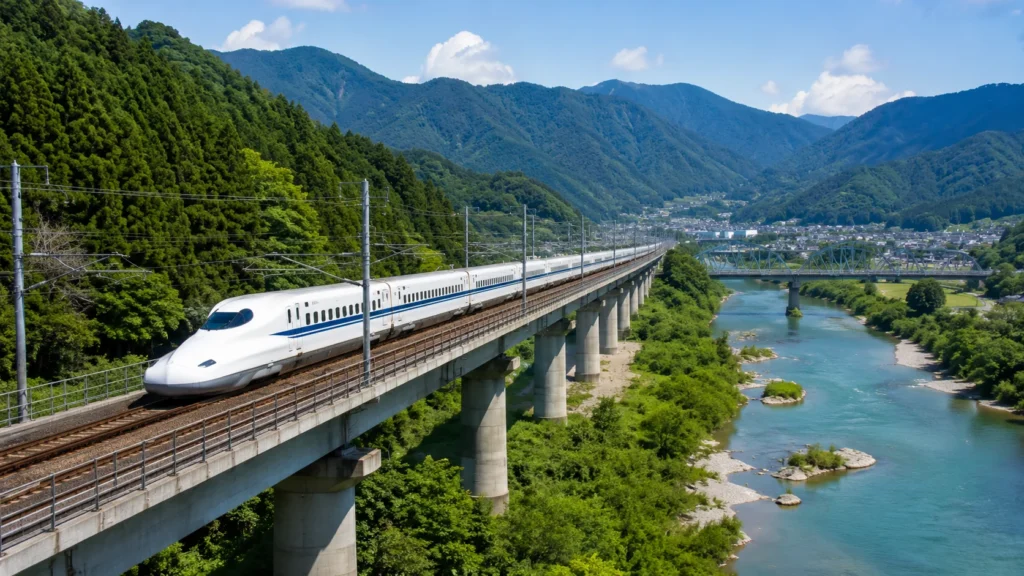
The Shinkansen, often referred to as the bullet train, is one of the most famous transportation systems in the world. These high speed trains connect many of Japan’s major cities and provide a fast, comfortable, and reliable travel experience. For travelers moving between Tokyo, Kyoto, Osaka, Hiroshima, and other popular destinations, the Shinkansen often represents the most convenient option.
Beyond speed, travelers appreciate the comfort and efficiency of the system. Stations are generally easy to navigate, train schedules are frequent, and the overall experience allows visitors to maximize their time exploring destinations rather than spending long hours in transit.
Local Trains
While high speed rail receives much of the attention, local trains remain the backbone of transportation throughout the country. These services connect neighborhoods, suburbs, and regional destinations while providing affordable access to attractions that may not be served by long distance rail routes.
Many travelers find local trains essential when exploring individual cities or visiting nearby destinations as part of a day trip. Because services operate frequently in most urban areas, trains often become the preferred way to move around during daily sightseeing.
Subways
Major cities such as Tokyo, Osaka, and Sapporo operate extensive subway networks that provide convenient access to business districts, cultural attractions, shopping areas, and entertainment neighborhoods. Although subway maps may appear intimidating at first, clear signage and multilingual support make navigation easier than many visitors expect.
Subways are particularly useful for reducing travel times within large metropolitan areas. Travelers staying near subway stations often benefit from quick access to multiple parts of the city without relying on taxis or other forms of transportation.
Buses
Buses play an important role in regions where rail coverage is limited or where attractions are located outside major transportation corridors. In some destinations, buses provide the most practical way to reach scenic areas, cultural sites, and rural communities.
Long distance bus services can also offer an economical alternative to rail travel. Budget conscious travelers sometimes choose overnight bus routes to reduce accommodation expenses while traveling between cities.
Domestic Flights
Although trains handle many transportation needs, domestic flights can become valuable when traveling long distances. Visitors planning to explore Hokkaido, Okinawa, or other regions far from central Japan may find air travel more efficient than spending extended periods on trains.
For example, travelers heading to northern Japan often fly into New Chitose Airport before continuing to Sapporo and surrounding destinations. This approach can significantly reduce travel time compared to overland alternatives, particularly when schedules are limited.
Understanding IC Cards and Rail Passes
One of the first things many visitors encounter when researching how to travel around Japan is the concept of IC cards and rail passes. While both are useful transportation tools, they serve different purposes and understanding the distinction can help travelers make better decisions.
IC cards are rechargeable smart cards that can be used on trains, subways, and buses in many parts of the country. Instead of purchasing individual tickets for every journey, travelers simply tap the card when entering and exiting stations. This convenience makes IC cards particularly useful for daily transportation within cities.
Rail passes operate differently. These products provide access to specific rail networks for a fixed period of time and may offer savings for travelers making multiple long distance journeys. However, a rail pass is not always the most economical option. The value depends on the destinations included in your itinerary and the frequency of your travel.
Many first time visitors assume they automatically need a rail pass, but comparing transportation costs before purchasing one is often the best approach. In some cases, individual tickets can be more practical and cost effective.
Traveling Between Major Regions
Japan’s transportation network makes it possible to explore multiple regions during a single trip. Travelers often move between central Japan, northern Japan, and southern destinations without encountering significant logistical challenges.
Routes connecting Tokyo, Kyoto, and Osaka are among the most popular because they combine convenience with frequent transportation services. These destinations are linked by efficient rail connections, allowing visitors to travel comfortably while maximizing sightseeing opportunities.
Travelers heading toward Hokkaido typically choose either rail services or domestic flights depending on their schedule. Flying often becomes the preferred option for visitors who want to spend more time exploring destinations rather than traveling between them.
After arriving in Hokkaido, many visitors use Sapporo as their primary transportation hub. The city provides convenient access to rail connections, regional bus services, and airport transportation. Travelers seeking a comfortable base while exploring northern Japan may also consider an intercon sapporo hotel experience due to its convenient location and accessibility.
Southern destinations such as Hiroshima and Kyushu are also well connected through a combination of rail services and domestic flights. This flexibility allows travelers to build itineraries that match their available time and travel preferences.
Common Transportation Mistakes Visitors Make
Even though transportation in Japan is highly efficient, first time visitors occasionally make mistakes that can create unnecessary stress or expenses. Understanding these common issues can help travelers avoid frustration and enjoy a smoother journey.
Trying to Visit Too Many Destinations
One of the most common mistakes is attempting to visit too many cities within a limited period. While transportation is fast and reliable, constantly moving between destinations can reduce the amount of time available for actual sightseeing and exploration.
Ignoring Travel Times
Travelers sometimes underestimate the time required to navigate stations, transfer between services, and reach accommodations. Building flexibility into a schedule helps create a more enjoyable travel experience.
Purchasing the Wrong Transportation Pass
Many visitors purchase transportation passes without fully understanding how they will be used. Comparing route costs before buying a pass can help determine whether it provides genuine value for a specific itinerary.
Relying Only on One Transportation Method
While trains are often the most convenient choice, buses and domestic flights can sometimes provide better solutions depending on the destination. Travelers who remain flexible often discover more efficient routes throughout their journey.
Practical Tips for Getting Around Japan

Preparing a few transportation essentials before arriving can significantly simplify your trip. Downloading navigation applications, reviewing transportation routes, and understanding station layouts can reduce confusion during busy travel days.
Travelers should also allow extra time when making important connections, especially when navigating large transportation hubs for the first time. While Japanese transportation systems are reliable, unfamiliar stations can require additional time to navigate.
Another useful strategy is to stay near major transportation hubs whenever possible. Convenient access to trains, subways, and airport services can save time throughout the trip while making it easier to adjust plans if needed.
Most importantly, do not feel intimidated by the scale of the transportation network. Millions of visitors successfully navigate Japan every year, and with a little preparation, getting around the country becomes a rewarding part of the travel experience itself.
Frequently Asked Questions
What Is the Best Way to Travel Around Japan?
The best transportation method depends on your itinerary. High speed trains are often the preferred choice for travel between major cities, while subways and local trains are ideal for daily transportation within urban areas. Domestic flights can be useful for reaching destinations such as Hokkaido and Okinawa more efficiently.
Do I Need a Japan Rail Pass?
Not necessarily. A rail pass can provide value for travelers making multiple long distance journeys, but it is not always the most economical option. Comparing transportation costs based on your planned route is the best way to determine whether a rail pass makes sense.
Are IC Cards Worth Getting?
Yes. IC cards simplify daily transportation by allowing travelers to tap in and out of stations without purchasing individual tickets for every trip. They are especially useful when using trains, subways, and buses within major cities.
Is It Difficult to Use Public Transportation in Japan?
Most visitors find public transportation easier to use than expected. Clear signage, multilingual support, route maps, and navigation applications help travelers move around confidently, even during their first visit.
Should I Fly or Take the Train to Hokkaido?
The answer depends on your schedule and travel preferences. Flights are generally faster, while rail travel offers scenic routes and a unique transportation experience. Travelers with limited time often choose to fly, while those interested in experiencing the journey itself may prefer rail connections.
How Early Should I Arrive at Major Stations?
Arriving fifteen to thirty minutes before departure is usually sufficient for most travelers. Large stations can be busy and may require additional time to locate platforms, especially for visitors unfamiliar with the layout.
Final Thoughts
Understanding how transportation works is one of the most valuable skills travelers can develop before visiting Japan. From world-famous Shinkansen services and extensive rail networks to local buses, subways, and domestic flights, the country offers transportation solutions for virtually every type of journey.
Rather than focusing solely on reaching destinations, many visitors discover that traveling itself becomes part of the experience. Efficient services, reliable schedules, and convenient connections make it possible to explore diverse regions while minimizing unnecessary stress.
Whether you are planning a short vacation focused on major cities or a longer adventure that includes northern and southern regions, learning how to travel around Japan will help you build a smoother, more flexible, and ultimately more rewarding itinerary.