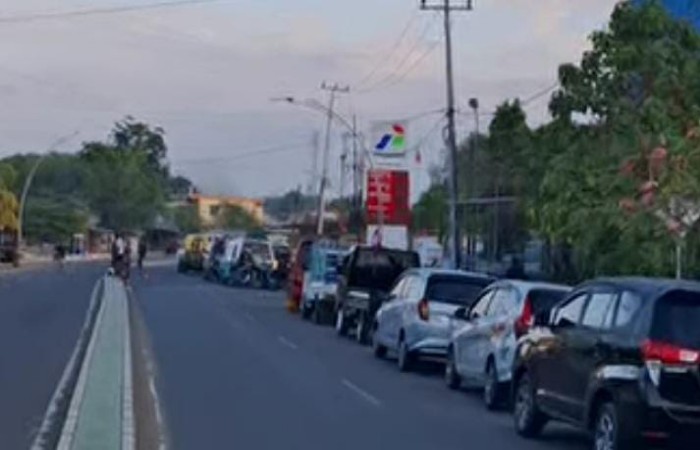
Labuan Bajo, Indonesia’s crown jewel of tourism and gateway to Komodo National Park, is facing a recurring crisis that’s hitting Labuan Bajo tours hard: fuel shortages. Known for its stunning landscapes, vibrant marine life, and status as a super-priority tourism destination, Labuan Bajo has been grappling with a persistent shortage of BBM (Bahan Bakar Minyak, or fuel oil), disrupting tour operations, disappointing visitors, and tarnishing its global reputation.
The Fuel Crisis: A Blow to Labuan Bajo Tours
The fuel scarcity in Labuan Bajo, particularly during peak tourism months (June to September), has caused significant disruptions. In August 2025, long queues at fuel stations like SPBU Sernaru and SPBU Lembor highlighted the severity of the issue. Local tour guide Richardus Papo Ari voiced frustration in a viral video, noting that many Labuan Bajo tours were canceled due to boats being unable to refuel. “This is embarrassing for a super-priority destination,” he said, echoing the sentiments of many in the tourism industry.
The ripple effects are profound. Tourists, who travel thousands of miles to experience Labuan Bajo’s iconic Komodo dragons and pristine waters, face canceled trips, leading to frustration and negative reviews. Ahyar Abadi, Chairman of the Labuan Bajo Tourism Boat Association (Askawi), reported that fuel shortages have persisted for over ten days, forcing many operators to halt services. This not only impacts tourists but also the livelihoods of local boat operators, guides, and businesses dependent on tourism revenue.
Also read Why Dive Insurance is a Must for Komodo Liveaboard Explorations
Why Fuel Shortages Persist in Labuan Bajo
The fuel crisis in Labuan Bajo is not a one-off issue but a recurring problem, especially during peak seasons. According to Satria Buyung Pradana from HIPMI Manggarai Barat, fuel shortages have become an “annual agenda” during the high-demand months. Several factors contribute to this:
- Inadequate Fuel Infrastructure: Labuan Bajo lacks a dedicated Pertamina fuel depot, relying on supplies from distant terminals in Reo, Ende, and Maumere. This dependency creates logistical bottlenecks, especially during bad weather or high demand.
- Seasonal Demand Spikes: The influx of tourists during peak seasons increases fuel consumption for boats, vehicles, and generators, overwhelming the existing supply chain.
- Potential Hoarding: Allegations of fuel hoarding, as mentioned by Richardus and Inocensius Peni, a local DPRD member, suggest speculative practices may exacerbate shortages, driving up prices to unreasonable levels.
These issues undermine Labuan Bajo’s reputation as a premium tourism destination, with canceled Labuan Bajo tours becoming a recurring headline.
The Economic and Reputational Toll
Labuan Bajo’s economy heavily relies on tourism, with Labuan Bajo tours generating significant revenue for local businesses. The fuel crisis disrupts this ecosystem, affecting everyone from boat operators to hoteliers. Canceled trips lead to lost income, while negative tourist experiences spread through social media and travel platforms, deterring future visitors. Ahyar Abadi noted that many tourists, after planning their dream vacations, are left disappointed, which could harm Labuan Bajo’s long-term appeal.
Moreover, the crisis raises questions about Indonesia’s ability to manage its five super-priority tourism destinations, including Labuan Bajo. If a flagship destination struggles with basic infrastructure like fuel supply, it risks undermining national tourism goals.
Solutions to Revive Labuan Bajo Tours
To secure the future of Labuan Bajo tours, stakeholders must address the fuel crisis with urgency and innovation. Here are practical solutions:
1. Establish a Dedicated Fuel Depot
Inocensius Peni’s call for a Pertamina depot in Labuan Bajo is a critical step. A local depot would reduce reliance on distant terminals, ensuring a steady fuel supply even during peak seasons. Pertamina’s current efforts, such as deploying additional tankers from Maumere and Ende, are a short-term fix but insufficient for long-term stability. A dedicated depot would also streamline distribution, reducing delays caused by weather or logistics.
2. Regional Coordination for Fuel Supply
Ahyar Abadi suggested coordinating with neighboring regions like Manggarai, Maumere, or Bima to secure emergency fuel supplies. Establishing a regional fuel-sharing agreement could act as a stopgap until a local depot is operational. This requires collaboration between local governments, Pertamina, and tourism associations to prioritize Labuan Bajo’s needs.
3. Explore Alternative Energy for Tour Boats
To reduce dependency on traditional fuels, Labuan Bajo tours could transition to sustainable alternatives. Solar-powered or hybrid boats, already used in some eco-tourism destinations globally, could be piloted in Komodo National Park. These options not only address fuel shortages but also align with the park’s conservation goals, enhancing Labuan Bajo’s appeal as an eco-friendly destination.
4. Strengthen Anti-Hoarding Measures
Allegations of fuel hoarding must be investigated promptly. Authorities should enforce strict regulations and penalties to deter speculative practices. Transparent fuel distribution systems, such as digital tracking of allocations to SPBUs, could ensure fair access for tour operators and prevent black-market sales.
5. Improve Demand Forecasting
Pertamina and local authorities should leverage data to predict fuel demand during peak seasons. By analyzing tourist arrivals and boat operations, they can pre-emptively increase fuel allocations, avoiding last-minute shortages. This proactive approach would ensure Labuan Bajo tours run smoothly year-round.
Pertamina’s Response and Future Outlook
Pertamina has taken steps to mitigate the crisis, including 24-hour SPBU operations and additional fuel deliveries. In August 2025, they deployed tankers carrying 48,000 liters of Pertamina Dex from Maumere and 96,000 liters of Biosolar from Ende, with more supplies scheduled from Reo. While these efforts are commendable, they are reactive rather than preventive. Pertamina’s commitment to prioritizing vehicle and SPBU fuel distribution is a start. Still, non-vehicle consumers like tour boats need equal attention.
For Labuan Bajo tours to thrive, a long-term strategy is essential. A dedicated depot, coupled with sustainable practices and robust coordination, could transform Labuan Bajo into a model for resilient tourism. The government’s designation of Labuan Bajo as a super-priority destination comes with high expectations, and addressing the fuel crisis is non-negotiable to meet them.
A Call to Action for Labuan Bajo Tours
The fuel crisis in Labuan Bajo is a wake-up call for stakeholders to prioritize infrastructure and planning. Labuan Bajo tours are the lifeblood of the region’s economy and a key driver of Indonesia’s tourism ambitions. By investing in a local fuel depot, exploring sustainable energy, and cracking down on hoarding, Labuan Bajo can overcome this challenge. The time to act is now, before more tourists turn away and the destination’s reputation suffers further. With strategic interventions, Labuan Bajo tours can reclaim their place as a world-class experience, ensuring visitors leave with memories of adventure, not disappointment.