Blog

  • How to Choose a Liveaboard Dive Trip Route in Komodo for the Marine Life You Want to See

    How to Choose a Liveaboard Dive Trip Route in Komodo for the Marine Life You Want to See

    Start your planning with this guide to diving in Komodo National Park, where manta cleaning stations, current-swept pinnacles, turtles, sharks, and colorful coral reefs can shape very different underwater experiences.

    A liveaboard dive trip in Komodo is not simply about choosing the longest itinerary or ticking off famous dive sites. The smartest route is the one that matches the marine life you most want to encounter. Komodo National Park is part of one of Indonesia’s richest marine environments, with more than 1,000 species of bony fish and over 260 species of reef-building coral. Its strong currents and nutrient-rich waters also support turtles, sharks, rays, dolphins, whales, and dugongs.

    Start With the Marine Life You Want Most

    Before comparing boats or departure dates, decide which encounters matter most. A diver hoping to spend time with manta rays needs a different route than someone seeking schooling pelagic fish, dramatic coral landscapes, or macro photography.

    Komodo is not a uniform diving area. Conditions vary across the northern, central, and southern sections of the park, and currents, water temperature, visibility, and exposure can influence what divers encounter.

    This makes flexibility an important part of route selection. Rather than choosing an itinerary only because it includes famous dive-site names, look for a schedule that can adapt to conditions.

    Choose Central Komodo for Manta Rays and Variety

    If manta rays are high on your wish list, Central Komodo deserves particular attention.

    Hello Flores highlights Mauan, opposite Siaba Besar, as a manta cleaning station where rays may circle while small cleaner fish remove parasites. The site also offers opportunities to encounter turtles, scorpionfish, soft corals, and other reef life. Nearby, Siaba Besar is known for shallower coral environments and frequent green turtle encounters.

    For many travelers, this is where a liveaboard dive trip becomes especially valuable. Staying aboard allows an itinerary to spend more time around productive diving areas and potentially adjust the schedule when tides and conditions are more favorable.

    Central Komodo can also work naturally within a broader Komodo tour, balancing underwater exploration with some of the region’s best-known land experiences.

    Head North for Currents and Pelagic Action

    Divers who enjoy reef sharks, schooling tuna, trevally, barracuda, and energetic diving may want more time in northern Komodo.

    Castle Rock, for example, is an underwater pinnacle where Hello Flores highlights reef sharks, tuna, barracuda, giant trevally, and other large marine life. Crystal Rock is also recommended for experienced divers because of its strong currents and active pelagic environment.

    Rather than asking only whether these sites appear on the itinerary, ask how the operator plans dives around current direction and local conditions.

    A marine-life-focused liveaboard dive trip should follow conditions rather than a rigid list of locations. Experienced guides can adjust the dive sequence as needed, helping balance safety with the opportunity for rewarding marine encounters.

    Explore Southern Komodo for a Different Underwater Experience

    Southern Komodo can reveal another side of the national park. Changes in water conditions and underwater environments mean divers can experience very different marine landscapes within the same destination.

    That variety is valuable for travelers who want more than repeated reef dives. A route covering several areas can reveal how Komodo’s underwater character changes from one section of the park to another.

    For travelers comparing a Komodo Island tour with a dedicated diving itinerary, this distinction matters. A sightseeing-focused schedule may prioritize land attractions, while a diving itinerary needs enough time and flexibility to reach suitable underwater locations.

    Do Not Overlook Macro Life and Photography

    Komodo’s reputation for mantas, sharks, currents, and schooling fish can overshadow its smaller underwater subjects.

    Protected reefs and slower dives can provide opportunities for photographers interested in nudibranchs, crustaceans, scorpionfish, cuttlefish, and detailed coral scenes. Hello Flores, for example, notes flamboyant cuttlefish and stonefish around Siaba Besar.

    If underwater photography is your priority, tell the operator before booking. Your ideal route may require slower-paced dives, repeat visits, suitable guide ratios, and groups organized around similar interests.

    This is another reason a liveaboard dive trip can work well for dedicated photographers: the itinerary can give more attention to underwater experiences rather than simply moving quickly between tourist landmarks.

    Match the Route to Your Diving Experience

    Marine-life goals should never come before safety.

    Several well-known Komodo sites can involve strong currents and drift diving. Hello Flores specifically describes Crystal Rock as suitable for advanced divers due to current conditions, while Cauldron is known as a drift dive whose direction changes with the current.

    Before booking, ask about:

    • Recommended certification level
    • Suggested number of logged dives
    • Guide-to-diver ratio
    • Nitrox availability
    • Current-diving experience
    • How groups are divided by ability

    A strong operator should explain why particular sites are appropriate for your experience level rather than promising access to every famous location.

    Combine Diving With Komodo’s Land Highlights

    A dive-focused journey does not mean ignoring the scenery above water.

    A stop on Komodo Island can introduce the park’s famous terrestrial wildlife, while Padar Island offers one of the region’s most recognizable viewpoints. UNESCO identifies Komodo, Rinca, and Padar as the park’s three major islands, surrounded by numerous smaller volcanic islands.

    If you are organizing a Labuan Bajo trip, compare itineraries carefully. An open trip Labuan Bajo option may focus more heavily on sightseeing and group travel, while a specialized Komodo boat tour may dedicate more time to snorkeling or diving.

    Likewise, a general Komodo tour package or Labuan Bajo tour may visit several iconic landmarks but provide fewer opportunities for serious diving.

    The best choice depends on whether your priority is marine life, sightseeing, or a balance between the two.

    Ask the Right Questions Before Booking

    Before confirming your route, ask which marine encounter the itinerary is designed around, how many dives are planned, and whether the schedule can change based on weather, currents, and wildlife conditions.

    You should also ask whether your chosen sites match your certification level and whether the operator can spend additional time in productive areas when conditions allow.

    There is no single perfect Komodo itinerary. A manta enthusiast, macro photographer, shark lover, and first-time diver could all choose different routes and still experience the destination at its best.

    The key is to start with the marine life you care about most, then select the route, diving areas, boat, and guide team that can realistically support those priorities. In Komodo, flexibility can be just as valuable as the destination list itself.

  • 日本のホテルグルメ:最高の体験を求めて – 厳選ガイド

    日本のホテルグルメ:最高の体験を求めて – 厳選ガイド

    日本は世界有数の美食の国として知られていますが、近年特に注目を集めているのが、ホテルで提供される「日本 ホテル グルメ」です。一流のシェフが腕を振るうレストランから、地元食材を活かしたこだわりの朝食、そして洗練されたラウンジでの優雅なひとときまで、日本のホテルは宿泊体験を超えた、記憶に残る食の感動を提供しています。この記事では、日本のホテルが誇る多種多様なグルメの世界を深掘りし、あなたの旅をより豊かにする美食体験を見つけるための完全ガイドをお届けします。

    日本 ホテル グルメの魅力とは?

    dento kaiseki ryori

    なぜ今、ホテルの食事がこれほどまでに人気なのでしょうか。その魅力は多岐にわたります。

    高品質なサービスと空間

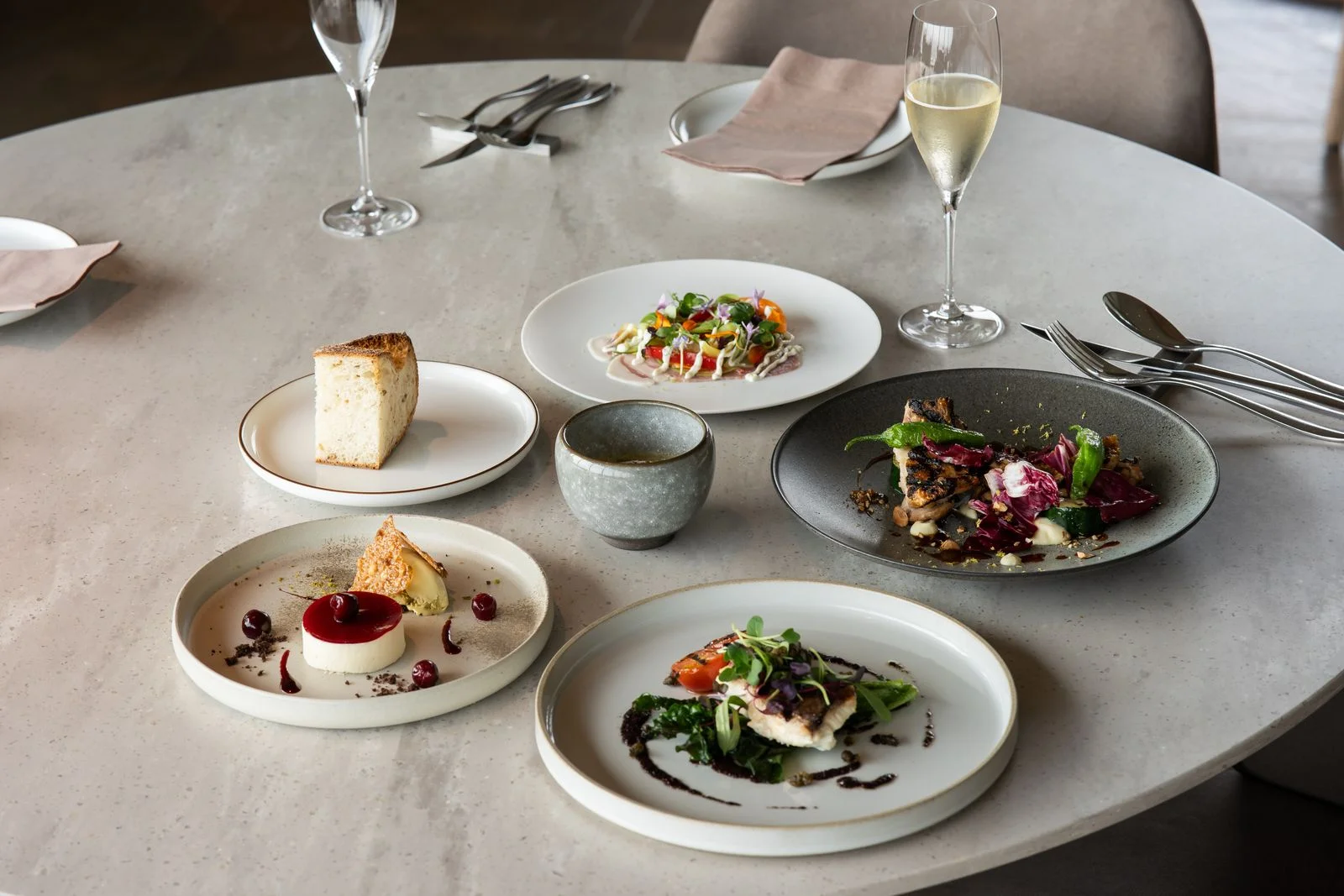
    ホテルレストランの大きな特徴は、その非日常的な空間と質の高いサービスにあります。細部にまで配慮された内装、行き届いたサービス、そして素晴らしい眺望は、食事の時間を特別なものに変えてくれます。ビジネスでの会食から家族の記念日まで、あらゆるシーンに対応できるホスピタリティが魅力です。

    国内外の著名シェフによる料理

    多くの有名ホテルでは、国内外で高い評価を受ける著名なシェフが厨房を率いています。彼らは伝統的な日本料理から革新的なフレンチ、イタリアン、中華まで、世界中の料理を最高水準で提供。季節ごとの旬の食材を最大限に活かし、芸術的な一皿を創造します。

    Explore More: 世界のトップシェフが愛する日本の食材

    厳選された食材へのこだわり

    ホテルグルメのもう一つの特徴は、食材への徹底したこだわりです。地元の契約農家から届く新鮮な野菜、日本各地から直送される旬の魚介類、そして厳格な基準で選ばれた肉類など、最高品質の食材を惜しみなく使用。食の安全と品質を追求する姿勢は、ゲストに安心と満足をもたらします。

    多様なダイニング体験

    ホテルは、単一のレストランだけでなく、様々なコンセプトのダイニングを提供しています。ミシュラン星を獲得した高級レストラン、活気あふれるオールデイダイニング、落ち着いた雰囲気の日本料理店、そして開放的なテラス席など、その日の気分や目的に合わせて選べるのが魅力です。

    シーン別!日本 ホテル グルメの楽しみ方

    ホテルの食は、利用するシーンによってその楽しみ方も大きく変わります。

    特別な日のディナー

    誕生日や記念日、プロポーズといった特別な日には、ホテルならではの豪華なディナーが最適です。夜景を一望できる高層階のレストランで、洗練されたコース料理とワインを堪能する時間は、忘れられない思い出となるでしょう。個室の利用や、サプライズ演出の相談も可能です。

    カジュアルなランチ・カフェ

    友人とのランチやビジネスミーティングには、ホテルのカジュアルダイニングやカフェがおすすめです。季節ごとに変わるランチコースや、見た目にも美しいスイーツは、日常に彩りを添えてくれます。開放的なロビーラウンジでは、軽食とともにリラックスした時間を過ごせます。

    Explore More: 日本のホテルのロビーラウンジで過ごす優雅な時間

    至福の朝食体験

    ホテルの朝食は、その日の始まりを最高の気分で迎えるための大切な要素です。和食と洋食が豊富に揃ったビュッフェ、丁寧に作られた和定食、あるいは部屋でゆっくりと味わうルームサービスなど、選択肢は様々。特に、地域色豊かな地元の食材を使った朝食は、その土地ならではの魅力を感じさせてくれます。

    バー・ラウンジでの一時

    一日の終わりに、ホテルのバーやラウンジで過ごす時間は格別です。きらめく夜景を眺めながら、バーテンダーが趣向を凝らしたカクテルや厳選されたワインを味わう。静かで落ち着いた雰囲気は、大人だけの贅沢な時間を提供してくれます。

    地域別!注目すべき日本 ホテル グルメ

    nihon hoteru choshoku baiku

    日本全国には、それぞれの地域が持つ特色を活かした素晴らしいホテルグルメが点在しています。

    東京:世界の美食が集まる場所

    日本の首都東京には、世界中からトップシェフが集まり、常に最先端のガストロノミーを提供しています。ミシュラン星を獲得したレストランも数多く、フレンチ、イタリアン、日本料理、中華など、あらゆるジャンルで最高の食体験が可能です。高層ホテルのダイニングからは、壮大な都市のパノラマが広がります。

    京都:伝統と革新の和食

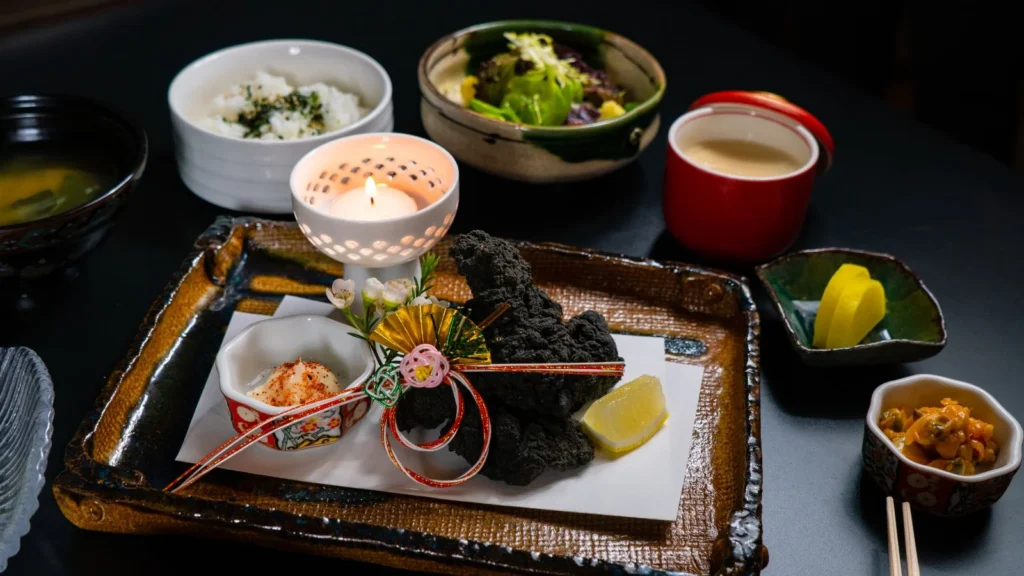
    古都京都では、伝統的な京料理を現代的に解釈したホテルダイニングが人気です。旬の食材を繊細な盛り付けで提供する懐石料理は、目と舌で楽しめる芸術品。歴史ある町家を改装したホテルでは、和の情緒あふれる空間で、心安らぐ食事が味わえます。

    北海道:豊かな大地の恵み

    海の幸、山の幸に恵まれた北海道では、新鮮な食材を活かしたグルメが楽しめます。札幌市内のホテルでは、新鮮な魚介を使った海鮮料理はもちろん、酪農王国ならではの乳製品や、広大な大地で育った野菜や肉を使った料理が豊富です。特に、上質な食材を活かした軽食やスイーツも充実しており、午後のひとときを彩る選択肢も多く、例えば札幌 アフタヌーンティーなどは、その洗練された空間と美しいプレゼンテーションで人気を博しています。

    沖縄:亜熱帯の味覚とリゾート感

    亜熱帯の気候が育む独特の食材が魅力の沖縄。リゾートホテルでは、琉球料理をベースにした創作料理や、新鮮な海鮮を使ったバーベキュー、開放的な空間でのビュッフェなどが楽しめます。夕日を眺めながらのディナーは、まさにリゾートグルメの醍醐味です。

    Explore More: 地域ごとの食文化を体験する日本の旅

    日本 ホテル グルメを選ぶ際のポイント

    数あるホテルグルメの中から、自分にぴったりの一軒を見つけるためには、いくつかのポイントがあります。

    目的と予算

    どのようなシーンで利用したいのか、そしてどの程度の予算を考えているのかを明確にしましょう。記念日などの特別な日であれば高級レストラン、友人との気軽な集まりであればカジュアルダイニングやカフェ、など目的によって選ぶべき場所は異なります。

    料理の種類と雰囲気

    フレンチ、イタリアン、日本料理、中華など、食べたい料理のジャンルを決めましょう。また、レストランの雰囲気も重要です。賑やかなオープンキッチンが好きか、静かで落ち着いた空間を好むかなど、好みに合わせて選びましょう。

    予約の重要性

    特に人気のホテルレストランや週末、祝日は予約が必須です。インターネット予約や電話で、事前に席を確保することをおすすめします。窓際席や個室を希望する場合は、早めの予約が肝心です。

    ドレスコード

    一部の高級ホテルレストランでは、ドレスコードが設けられている場合があります。「スマートカジュアル」や「ビジネスアタイア」など、事前に確認し、場にふさわしい服装で訪れましょう。

    まとめ

    日本のホテルグルメは、単なる食事の場所ではなく、非日常を味わい、特別な思い出を作るための舞台です。一流の料理、質の高いサービス、そして洗練された空間が織りなす極上の食体験は、一度味わえば忘れられない感動を与えてくれるでしょう。この記事で紹介した情報を参考に、あなたの次なる「日本 ホテル グルメ」の旅を計画し、日本ならではの素晴らしい美食の世界を心ゆくまで堪能してください。

  • Best Malls in Bali for Shopping, Dining, and Entertainment

    Best Malls in Bali for Shopping, Dining, and Entertainment

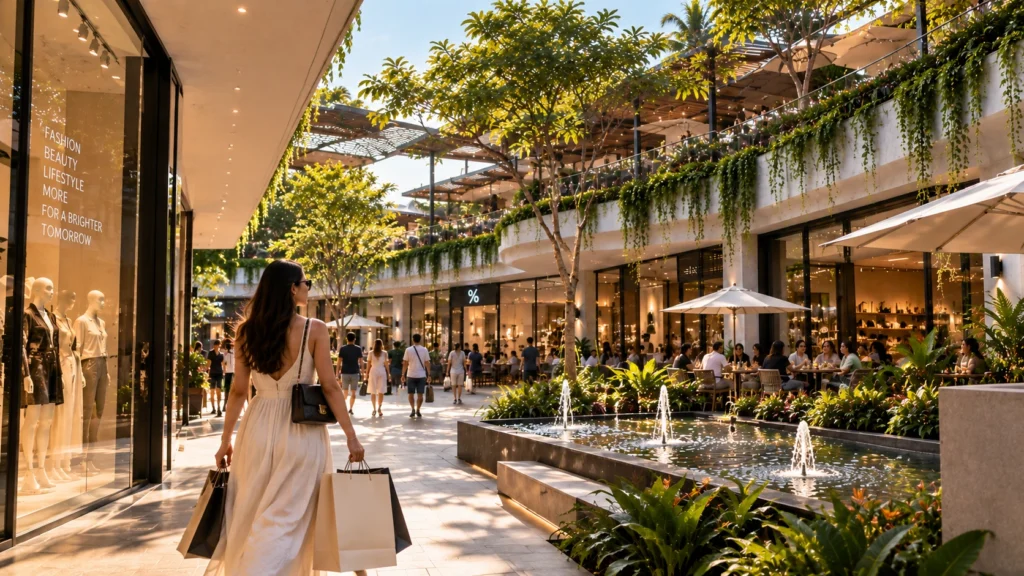
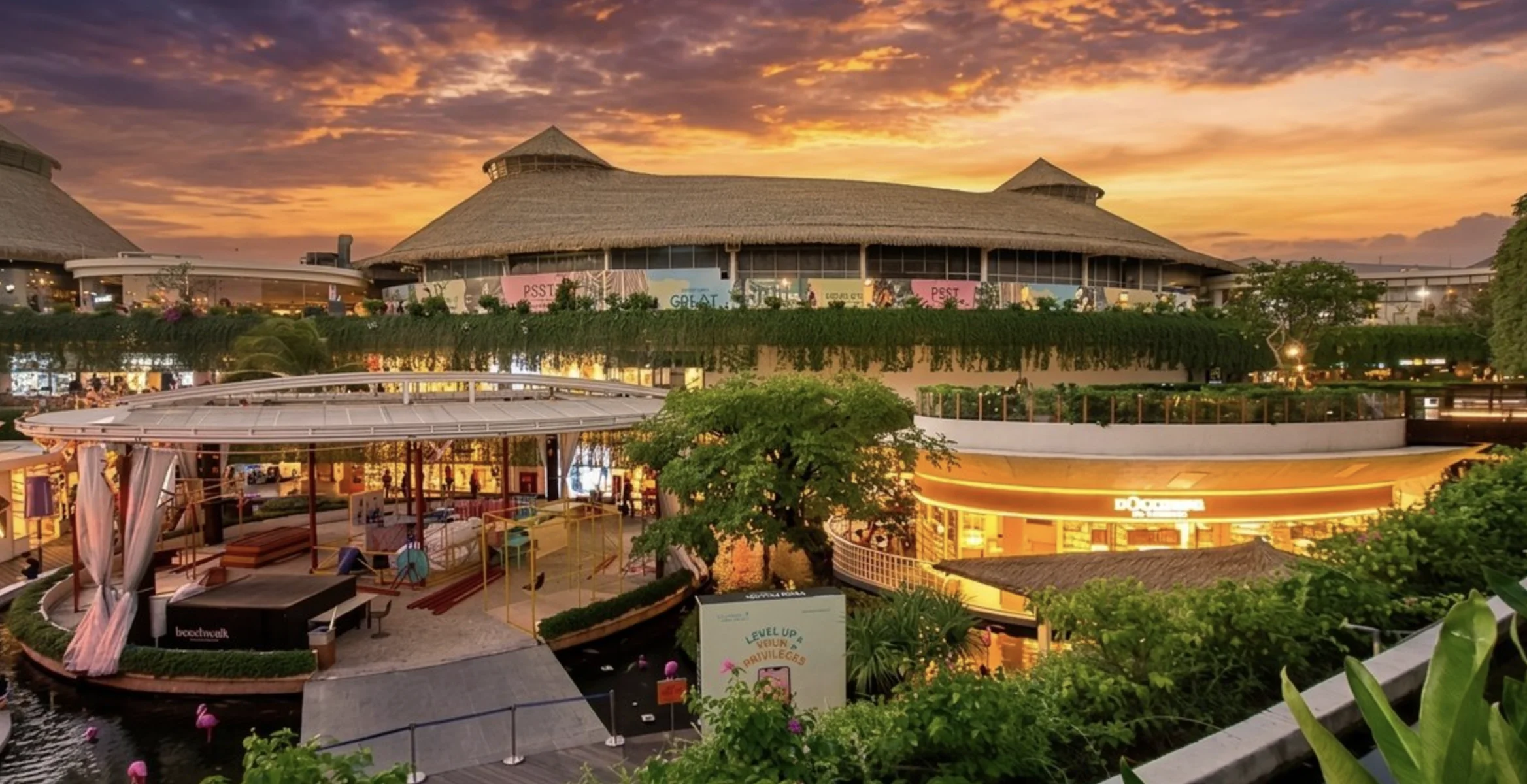
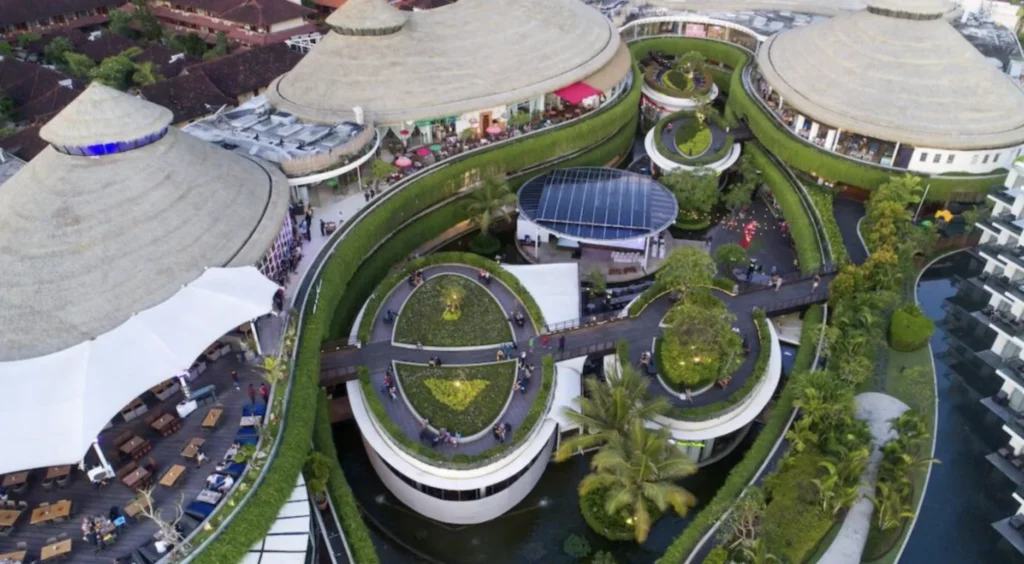
    Finding the best malls in Bali is about discovering places that offer more than retail stores. Many of the island’s shopping malls have evolved into lifestyle destinations where visitors can enjoy dining, entertainment, family activities, and comfortable public spaces alongside a wide selection of local and international brands.

    While traditional markets remain an important part of Bali’s shopping culture, malls provide a different experience that is convenient throughout the day. They’re especially popular when travelers want to escape the afternoon heat or spend several relaxing hours in one location.

    Quick Highlights

    • Comfortable indoor shopping environments.
    • International and local retail brands.
    • Restaurants, cafés, and dessert shops.
    • Entertainment for families and groups.
    • Convenient destinations for all-weather visits.

    Why Visit a Mall While Exploring Bali?

    Shopping malls have become an essential part of Bali’s modern lifestyle. Beyond retail, they bring together food, leisure, and entertainment, allowing visitors to enjoy multiple experiences without traveling across different parts of the island. This makes them an excellent option for families, couples, and groups looking for a flexible day out.

    If you’re planning a full shopping itinerary, our complete shopping places in bali guide explores a wider range of destinations, including traditional markets, boutique streets, lifestyle hubs, and modern retail centers across the island.

    What Makes Bali’s Malls Different?

    Unlike conventional malls found in many cities, several retail destinations in Bali embrace tropical architecture, open-air concepts, and landscaped public spaces. These design elements create a more relaxed atmosphere where visitors can comfortably spend time beyond simply shopping.

    A Complete Lifestyle Experience

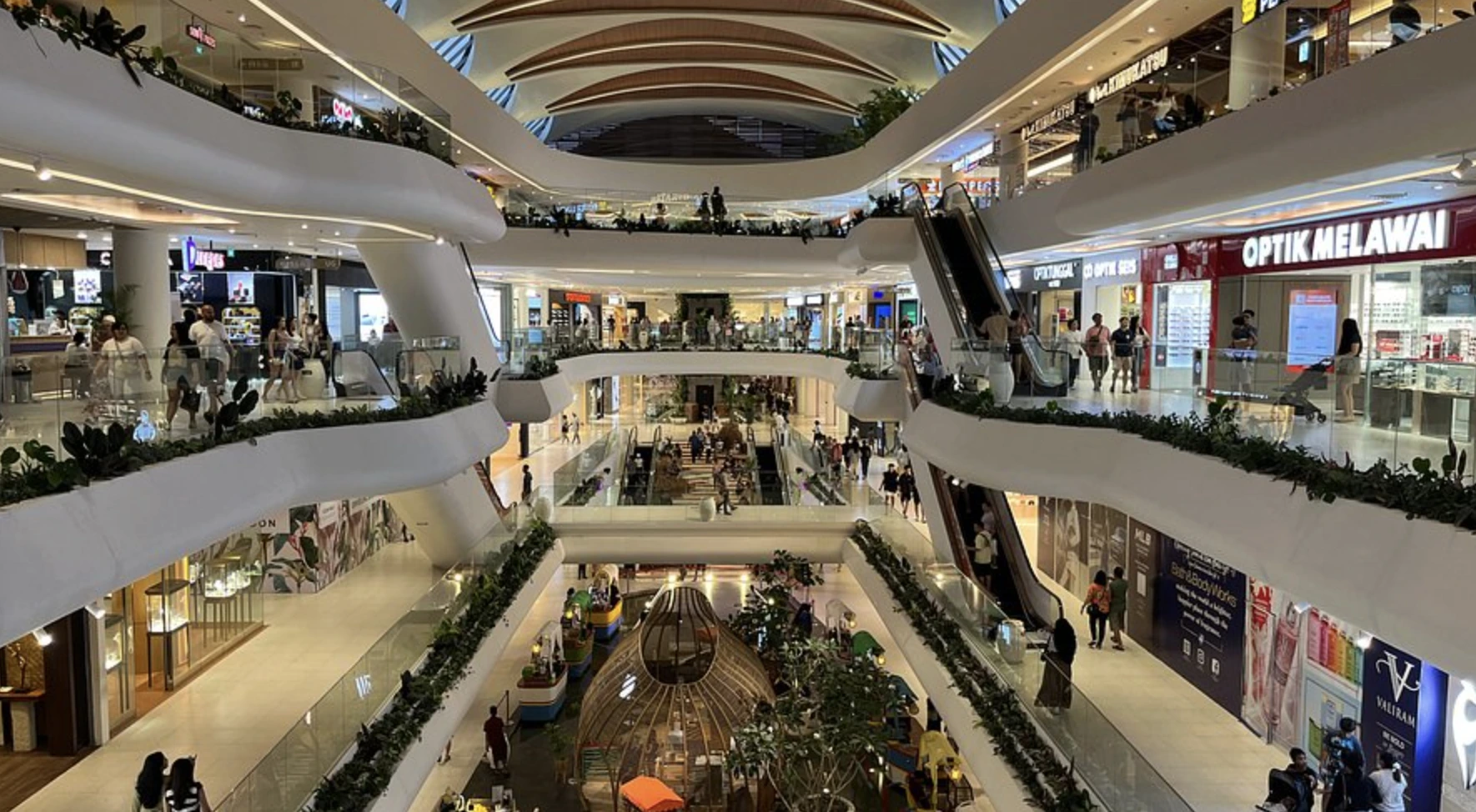
    Modern malls now combine shopping with cafés, cinemas, children’s play areas, fitness facilities, and community events. This variety allows every member of the group to enjoy the visit regardless of their interests, making malls one of the easiest places to spend an afternoon together.

    Read Also: Family Shopping in Bali

    A Mix of Global and Local Brands

    Visitors can browse international fashion labels alongside locally owned boutiques that showcase Balinese creativity. This combination offers a broader shopping experience while introducing travelers to products they may not find elsewhere on the island.

    Read Also: Boutique Shopping in Bali

    Convenient for Every Season

    Exploring modern malls bali is also a practical option during hotter afternoons or occasional rainy weather. Comfortable indoor spaces make it possible to continue enjoying the day while shopping, dining, or simply taking a break before visiting your next destination.

    Read Also: Outlet Shopping in Bali

    In the next section, we’ll look at the different types of shopping malls across Bali, what visitors can expect, and useful tips for planning a more enjoyable shopping experience.

    What You’ll Find Inside Bali’s Shopping Malls

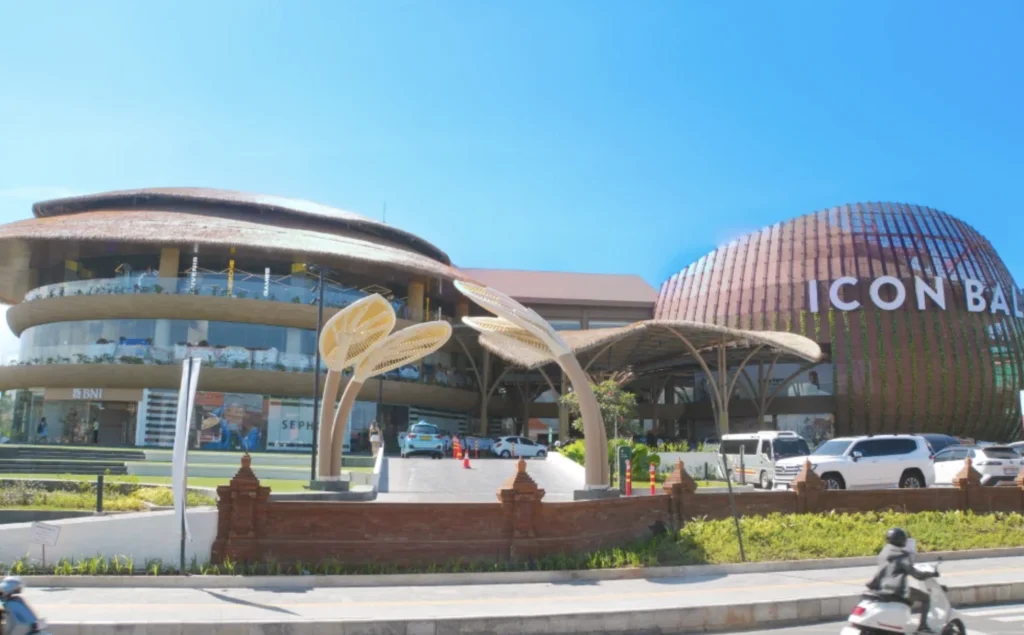
    modern mall bali

    Shopping malls in Bali have expanded well beyond their traditional role as retail centers. Today, they’re designed as social spaces where visitors can shop, dine, relax, and spend quality time with family or friends. Whether you’re visiting for an hour or an entire afternoon, there’s usually something for every age group.

    Fashion and Lifestyle Stores

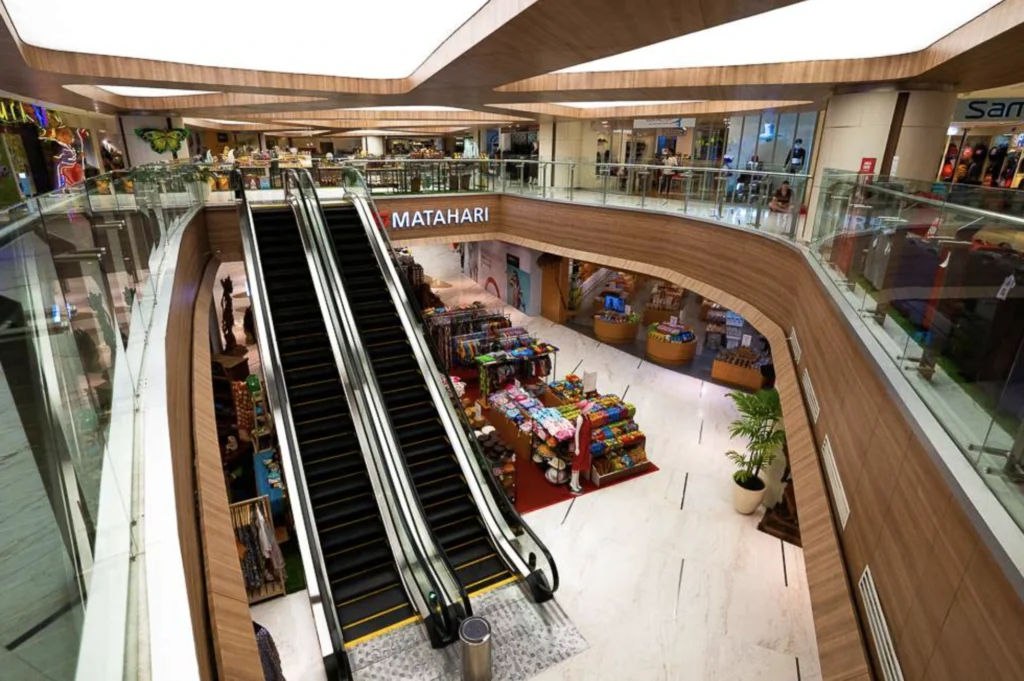
    Many malls feature a balanced selection of international fashion labels alongside local brands that showcase Bali’s growing creative industry. This variety allows visitors to explore global trends while discovering products designed by Indonesian entrepreneurs and artisans.

    Read Also: Luxury Shopping in Bali

    Dining and Entertainment

    A shopping trip often includes much more than browsing stores. Restaurants, cafés, dessert shops, cinemas, and entertainment venues encourage visitors to extend their stay, turning a simple retail visit into a relaxed day out.

    Read Also: Best Cafés in Bali

    Family-Friendly Facilities

    Many family malls bali include children’s playgrounds, baby facilities, spacious seating areas, and accessible pathways, making them comfortable destinations for visitors traveling with children or older family members.

    Read Also: Family Shopping in Bali

    Choosing the Right Mall

    Not every shopping mall offers the same experience. Some focus on premium retail brands, while others emphasize dining, entertainment, or family-friendly activities. Choosing the right destination depends on how you plan to spend your time rather than simply how many stores are available.

    • Visit lifestyle malls for a combination of shopping and dining.
    • Choose larger malls if you’re looking for international brands.
    • Look for open-air retail concepts if you enjoy tropical surroundings.
    • Consider family-oriented malls when traveling with children.

    City Review

    The most enjoyable shopping malls are those where you don’t feel pressured to shop. Comfortable public spaces, good restaurants, and a welcoming atmosphere often make visitors stay much longer than they originally planned.

    As Bali continues to develop as a lifestyle destination, shopping malls are becoming community spaces that host seasonal events, exhibitions, and family activities alongside retail experiences. This evolution creates destinations that feel lively throughout the day rather than serving only as places to shop.

    Tips for a Better Mall Experience

    A little planning can make your shopping trip far more enjoyable. Visiting during weekday mornings or early afternoons usually means fewer crowds, making it easier to browse stores, enjoy restaurants, and explore public spaces at a comfortable pace.

    • Visit earlier in the day for a more relaxed atmosphere.
    • Wear comfortable footwear if you plan to explore multiple levels.
    • Leave extra time for dining and entertainment.
    • Compare local boutiques with international brands.
    • Take advantage of public seating areas between shopping sessions.

    Frequently Asked Questions

    Are shopping malls in Bali open every day?

    Most shopping malls operate daily, although opening hours may vary slightly between locations. Restaurants and entertainment venues inside the malls can also have different schedules.

    Do Bali malls only offer international brands?

    No. Many malls feature a combination of international retailers and locally owned brands, giving visitors the opportunity to discover products created by Indonesian designers alongside well-known global labels.

    Are shopping malls suitable for families?

    Yes. Most malls provide family-friendly facilities such as children’s play areas, baby-changing rooms, spacious food courts, elevators, and accessible walkways, making them comfortable for visitors of all ages.

    What can I do besides shopping?

    Many malls include cafés, restaurants, cinemas, fitness centers, seasonal events, and entertainment venues, allowing visitors to enjoy a full day without focusing solely on retail.

    Final Thoughts

    The best malls in Bali offer far more than convenient shopping. They provide welcoming spaces where retail, dining, entertainment, and relaxation come together, creating experiences that appeal to solo travelers, couples, families, and groups alike. Whether you’re escaping the afternoon heat or planning a leisurely day out, Bali’s malls offer something for everyone.

    Rather than rushing from one store to another, take time to enjoy the atmosphere, discover local brands, and experience how modern retail destinations have become an important part of Bali’s evolving lifestyle scene.

  • Shopping Places in Bali Worth Adding to Your Travel Plans

    Shopping Places in Bali Worth Adding to Your Travel Plans

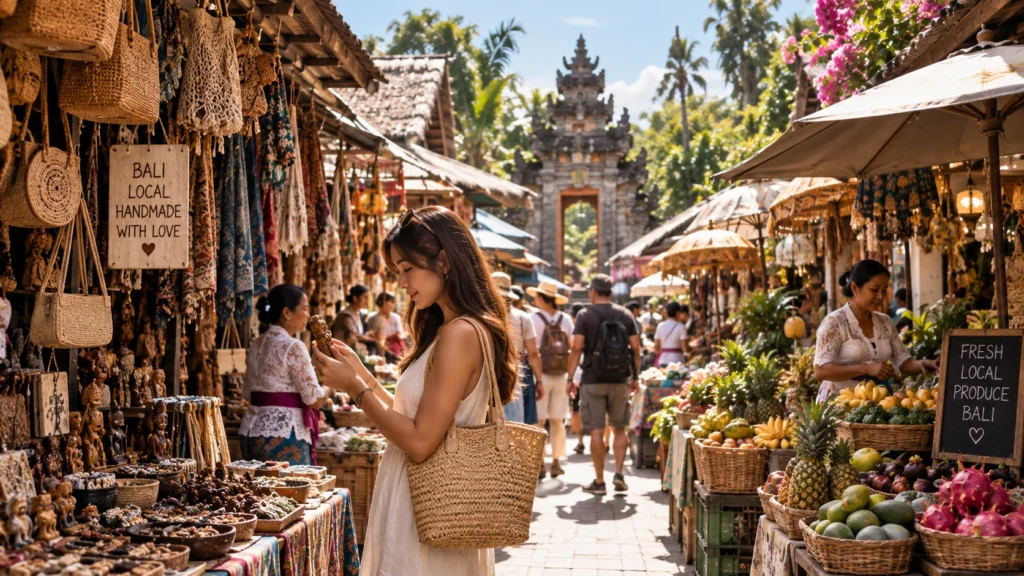
    Shopping places in Bali offer far more than rows of retail stores. Across the island, visitors can explore artisan markets, boutique districts, waterfront lifestyle destinations, shopping malls, and local craft centers that showcase Bali’s creativity and vibrant culture.

    Whether you’re looking for souvenirs, fashion, home décor, or simply a pleasant place to spend the afternoon, there are plenty of options to suit different travel styles.

    What makes shopping in Bali enjoyable is the variety. One day you might wander through a traditional market filled with handcrafted goods, while the next you could be relaxing at a modern lifestyle destination where shopping, dining, and entertainment come together in a single location.

    Editor’s Picks

    • Traditional markets for handmade souvenirs.
    • Lifestyle destinations with shopping and dining.
    • Boutique streets featuring local designers.
    • Modern malls with international brands.
    • Art villages showcasing Balinese craftsmanship.

    Why Bali Is a Favorite Shopping Destination

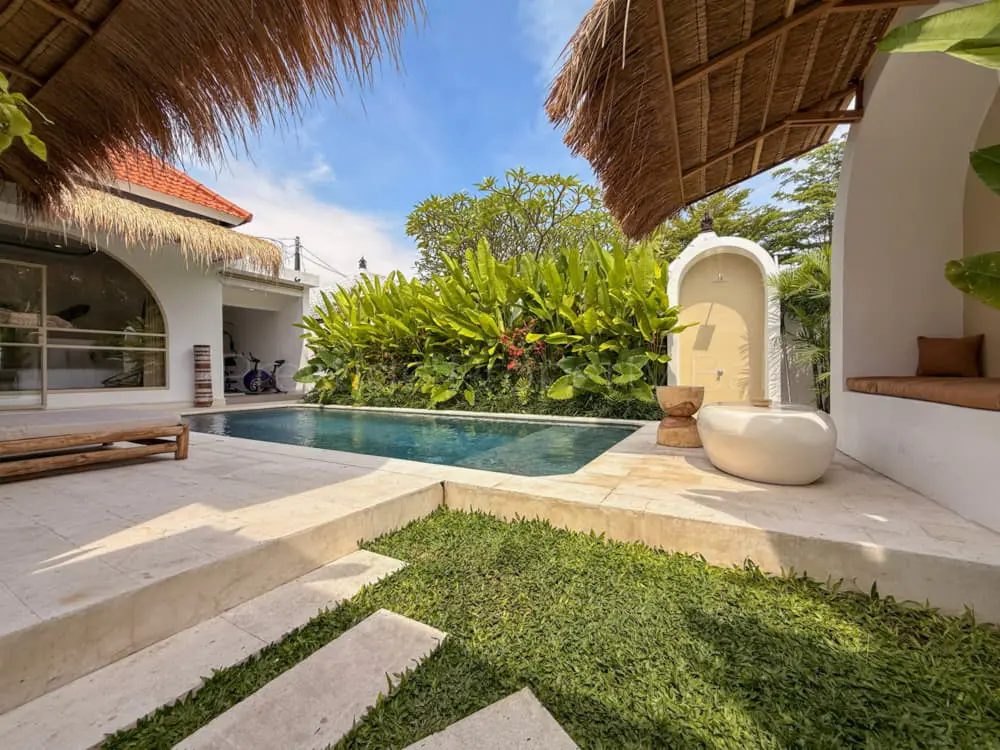
    shopping destinations bali

    Retail experiences in Bali are closely connected with the island’s lifestyle. Rather than focusing solely on shopping, many destinations encourage visitors to spend time exploring cafés, public spaces, art installations, and cultural events. This creates a more relaxed atmosphere where shopping becomes part of the overall travel experience instead of a standalone activity.

    If you’re looking for inspiration before deciding where to visit, explore some of the shopping places in bali that combine retail, dining, and leisure in one destination. These lifestyle hubs provide an enjoyable way to spend several hours without feeling confined to a traditional shopping center.

    Top Shopping Experiences

    Modern Shopping Malls

    Visitors who enjoy air-conditioned comfort and a wide selection of brands will appreciate Bali’s modern shopping malls. These destinations usually combine retail stores, restaurants, cafés, entertainment venues, and family-friendly facilities, making them suitable for both short visits and full-day outings.

    Read Also: Best Malls in Bali

    Boutique Shopping Districts

    Independent boutiques continue to shape Bali’s shopping identity. These stores often feature locally designed clothing, handcrafted accessories, home décor, and lifestyle products that reflect the island’s creative spirit. Walking through boutique neighborhoods also offers opportunities to discover charming cafés and art galleries along the way.

    Read Also: Boutique Shopping in Bali

    Traditional Markets

    For travelers seeking authentic souvenirs, traditional markets remain an essential stop. From woven bags and wood carvings to spices and locally produced artwork, these markets offer unique products while supporting local artisans and small businesses throughout the island.

    Read Also: Traditional Markets in Bali

    Next, we’ll explore the island’s most popular shopping districts, practical tips for planning a shopping day, and recommendations to help you discover Bali’s diverse retail scene.

    Shopping Districts Worth Exploring

    where to shop in bali

    One of the reasons Bali appeals to so many shoppers is the character of each neighborhood. Instead of offering identical retail experiences, every district has developed its own identity, making it worthwhile to explore more than one area during your visit.

    Seminyak

    Seminyak has become synonymous with contemporary fashion and lifestyle shopping. Visitors can browse designer boutiques, concept stores, home décor retailers, and independent labels while enjoying cafés and restaurants located just a short walk away. It’s an excellent destination for anyone looking for stylish finds in a relaxed setting.

    Read Also: Boutique Shopping in Bali

    Ubud

    Ubud offers a completely different shopping experience centered around local craftsmanship. Artisan workshops, galleries, and traditional markets showcase handmade products that reflect generations of Balinese creativity, making the area a favorite for visitors searching for meaningful souvenirs.

    Read Also: Handmade Souvenirs in Bali

    Sanur

    Sanur provides a quieter atmosphere where boutique stores, local gift shops, and specialty retailers are spread throughout the area. Shopping here feels unhurried, making it easy to combine retail with a relaxing meal or a stroll along the waterfront.

    Read Also: Shopping Near Sanur

    Beyond Shopping

    The best retail destinations encourage visitors to stay longer by offering more than stores alone. Live entertainment, public gathering spaces, cafés, restaurants, and seasonal events create an atmosphere where shopping naturally becomes part of a broader lifestyle experience.

    Many travelers now prefer destinations that allow them to browse local brands, enjoy a leisurely lunch, and relax with friends or family without moving between multiple locations throughout the day.

    Local Tip

    Instead of visiting every shopping area in one day, choose one neighborhood in the morning and another in the afternoon. This gives you more time to explore local stores while enjoying cafés, restaurants, and nearby attractions without rushing.

    What Should You Shop For?

    bali shopping malls

    Visitors often return home with more than souvenirs. Locally produced fashion, handcrafted ceramics, woven baskets, artisan coffee, natural skincare products, paintings, and decorative home accessories are among the island’s most popular purchases. Many of these products are created by independent businesses, adding a personal story behind every item.

    Choosing locally made products not only provides unique keepsakes but also supports the artisans and creative communities that continue to shape Bali’s reputation as one of Southeast Asia’s most inspiring shopping destinations.

    Quick Shopping Checklist

    • Choose the shopping district that matches your interests.
    • Bring a reusable shopping bag for smaller purchases.
    • Set aside extra luggage space for souvenirs.
    • Visit local artisan stores to discover unique products.
    • Take breaks between shopping sessions to enjoy nearby cafés or restaurants.
    • Compare prices before making larger purchases.

    Frequently Asked Questions

    What are the best shopping places in Bali?

    Bali offers a wide variety of shopping destinations, including modern malls, boutique districts, artisan villages, lifestyle centers, and traditional markets. The best choice depends on whether you’re looking for fashion, local crafts, souvenirs, or premium retail experiences.

    Where can I buy authentic Balinese souvenirs?

    Traditional markets and artisan villages are excellent places to find handmade souvenirs such as wood carvings, woven bags, paintings, ceramics, silver jewelry, and locally crafted home décor.

    Are shopping malls in Bali worth visiting?

    Yes. Shopping malls provide a comfortable environment with international brands, restaurants, entertainment, and family-friendly facilities, making them a convenient option for visitors looking to combine several activities in one location.

    When is the best time to go shopping in Bali?

    Mornings are generally ideal for exploring traditional markets, while afternoons and evenings are popular for visiting shopping malls, boutique districts, and lifestyle destinations after the weather becomes more comfortable.

    Final Thoughts

    Bali offers a shopping experience that extends far beyond purchasing souvenirs. From artisan workshops and vibrant local markets to modern lifestyle destinations and stylish boutiques, every shopping area presents its own atmosphere and character.

    Exploring different locations allows visitors to discover products that reflect the island’s creativity while supporting local businesses along the way.

    Whether you’re searching for handcrafted keepsakes, fashionable clothing, premium brands, or simply a pleasant place to spend the afternoon, Bali provides countless opportunities to combine shopping with dining, sightseeing, and cultural discovery.

  • Best Japan Transportation Pass for Different Trips

    Best Japan Transportation Pass for Different Trips

    Japan is widely recognized for having one of the world’s most reliable and efficient public transportation systems. From high-speed Shinkansen trains to local subway networks and regional buses, getting around the country is remarkably convenient. However, with so many transportation passes available, choosing the right one can be confusing, especially for first-time visitors.

    The best transportation pass depends on how you plan to travel. Someone exploring only Tokyo will benefit from a different pass than a traveler visiting multiple cities such as Kyoto, Osaka, Hiroshima, and Hokkaido. Understanding the strengths of each option before your trip can help you save both time and money.

    Why Choosing the Right Transportation Pass Matters

    Transportation costs can become a significant part of your travel budget in Japan. While individual train tickets are straightforward to purchase, frequent travel between cities or repeated subway rides may quickly add up. Selecting a pass that matches your itinerary allows you to travel more efficiently without paying for benefits you won’t actually use.

    Instead of purchasing the most popular pass simply because you’ve heard about it online, consider your destinations, trip duration, and the type of transportation you’ll use most often. A little planning before departure can prevent unnecessary expenses during your vacation.

    Traveling Within a Single City

    If your itinerary focuses on one destination such as Tokyo, Kyoto, or Osaka, city transportation passes often provide better value than nationwide rail passes. These local options typically offer unlimited rides on subways, municipal buses, or selected train lines for one or more days, making sightseeing much more convenient.

    • Unlimited subway rides
    • Easy access to major attractions
    • Affordable daily pricing
    • Simple to purchase at stations

    Read Also:
    Japan Transportation Guide

    Exploring Multiple Cities

    Travelers planning to visit several regions should compare nationwide and regional rail passes before making a decision. Depending on your route, a regional pass may offer greater value than purchasing a nationwide option, particularly if your journey is limited to one area of Japan.

    Regional passes are available for destinations such as Kansai, Kyushu, Hokkaido, and other parts of the country. They allow unlimited travel within their designated areas while keeping transportation costs predictable throughout your trip.

    Read Also:
    Best Places to Visit in Japan

    Understanding the Most Common Transportation Passes

    Before purchasing any pass, it’s helpful to understand the main categories available to travelers. Each serves a different purpose, and choosing the right one depends on your travel style rather than simply selecting the most famous option.

    Japan Rail Pass

    The Japan Rail Pass is designed for travelers covering long distances using JR-operated trains, including many Shinkansen routes. It is generally most suitable for itineraries that include several major cities over a relatively short period. Travelers staying in only one city may find that other transportation options offer better overall value.

    Read Also:
    Japan Itinerary

    IC Cards for Everyday Convenience

    Rechargeable IC cards such as Suica, Pasmo, and ICOCA make everyday travel incredibly simple. Rather than buying individual tickets for each journey, travelers can tap in and out at stations while the correct fare is automatically deducted. These cards are also accepted at many convenience stores, vending machines, and other retailers, making them useful beyond transportation alone.

    Read Also:
    Japan Family Travel

    How to Choose the Best Pass Based on Your Travel Style

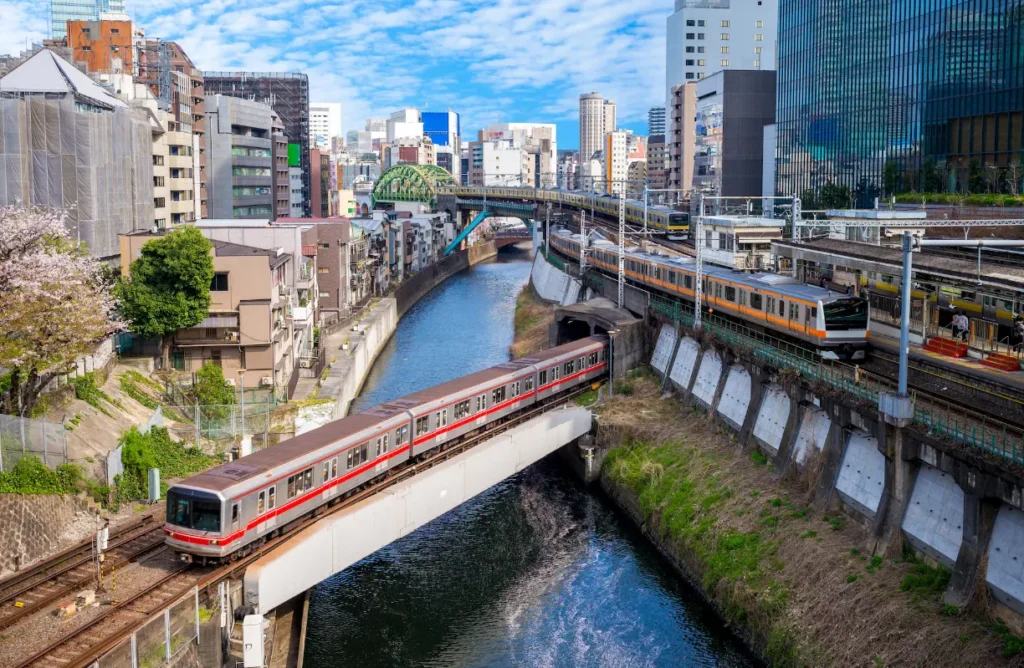
    japan transportation best

    There isn’t a single transportation pass that works perfectly for every traveler. The best choice depends on how many cities you plan to visit, how frequently you’ll use public transportation, and the length of your stay. Thinking about your itinerary first makes it much easier to identify which option provides the greatest value.

    For First-Time Visitors Exploring Major Cities

    If your itinerary includes Tokyo, Kyoto, and Osaka, you’ll likely combine high-speed rail with local transportation. In many cases, using a regional rail pass together with an IC card offers more flexibility than relying on a single nationwide pass. This combination lets you enjoy convenient local travel while covering longer distances efficiently.

    • Compare travel costs before purchasing a pass.
    • Check whether your preferred train routes are included.
    • Consider how many intercity journeys you’ll actually make.
    • Keep an IC card available for local transportation.

    Read Also:
    Japan Itinerary

    For Travelers Staying in One Region

    Visitors who spend most of their holiday within one region often benefit from regional transportation passes. Whether you’re exploring Kansai, Hokkaido, or Kyushu, these passes can reduce transportation expenses while providing unlimited travel across participating rail lines and selected buses.

    Regional passes are especially useful when planning several day trips without traveling across the entire country. They simplify budgeting while allowing greater flexibility throughout your journey.

    Read Also:
    Best Places to Visit in Japan

    Mistakes to Avoid When Buying Transportation Passes

    Many visitors purchase transportation passes before fully understanding their itinerary. While some passes provide excellent value, buying the wrong one can result in paying for services you rarely use. Spending a few minutes comparing your travel plans with available options can prevent unnecessary expenses.

    Buying the Most Popular Pass Without Comparing Options

    The Japan Rail Pass is well known among international travelers, but it isn’t automatically the best choice for every itinerary. Travelers spending most of their time in a single city may save more by combining local transportation passes with rechargeable IC cards instead of purchasing nationwide coverage.

    Ignoring Regional Transportation Passes

    Regional rail passes are sometimes overlooked even though they can provide excellent value. If your itinerary is limited to one part of Japan, these passes often include extensive rail coverage at a lower price than nationwide alternatives.

    Understanding how Japan’s transportation network works before selecting a pass can make the decision much easier. If you’re still planning your routes and comparing trains, buses, subway systems, and travel cards, this comprehensive Japan transportation guide explains how the country’s transportation system fits together and can help you choose the most suitable option for your itinerary.

    Read Also:
    Japan Cultural Experiences

    Not Considering Airport Transportation

    Airport transfers are another factor worth considering when planning your budget. Some transportation passes include selected airport train services, while others require separate tickets. Checking this before you arrive can help avoid unexpected costs and make your journey from the airport much smoother.

    Read Also:
    Japan Family Travel

    Simple Tips for Saving Money on Transportation in Japan

    Transportation expenses can quickly become one of the largest parts of your travel budget, especially if you plan to visit several destinations. Fortunately, a little preparation can help you reduce costs without sacrificing convenience. By selecting the right combination of transportation options and planning your routes efficiently, you can make the most of every journey.

    Plan Your Routes Before Purchasing a Pass

    Rather than purchasing a transportation pass immediately, map out your destinations first. Count how many long-distance journeys you’ll make, estimate local transportation usage, and compare available passes. This simple step often reveals that a regional pass or an IC card is more economical than a nationwide rail pass.

    Read Also:
    Japan Itinerary

    Combine Different Transportation Options

    Many experienced travelers don’t rely on a single transportation pass throughout their trip. Instead, they combine regional rail passes, local subway passes, and rechargeable IC cards depending on where they’re traveling. This flexible approach often provides better value while making it easier to move between cities and neighborhoods.

    Read Also:
    Best Places to Visit in Japan

    Conclusion

    Choosing the best Japan transportation pass isn’t about finding the most popular option—it’s about selecting the one that matches your travel plans. Some visitors benefit from nationwide rail coverage, while others save more with regional passes or rechargeable IC cards for everyday travel. Understanding your itinerary before making a purchase can help you travel more efficiently and avoid unnecessary expenses.

    Whether you’re exploring a single city or traveling across multiple regions, taking the time to compare your options will make getting around Japan simpler and more enjoyable. With the right transportation strategy, you can spend less time worrying about tickets and more time discovering everything the country has to offer.

    Frequently Asked Questions

    Is the Japan Rail Pass worth buying?

    It depends on your itinerary. Travelers making several long-distance journeys within a short period may find it worthwhile, while those staying in one city or region could save more by using regional passes or IC cards.

    Can I use an IC card throughout Japan?

    Most major IC cards are accepted across many cities and transportation networks, making them a convenient option for local trains, subways, buses, and even purchases at participating convenience stores.

    Should I buy a transportation pass before arriving in Japan?

    Some passes can be purchased after arrival, while others may offer additional benefits when bought in advance. Reviewing your itinerary beforehand will help you decide which option is the most practical.

    Can I combine different transportation passes?

    Yes. Many travelers use a combination of regional rail passes, local transit passes, and IC cards to match different parts of their journey. This approach often provides greater flexibility and better overall value.

  • Property for Sale in Bali Near the Planned Urban Rail Route

    Property for Sale in Bali Near the Planned Urban Rail Route

    Bali has always been a place where lifestyle, tourism, and property investment meet naturally. Now, the conversation is becoming more strategic because of the planned Bali Urban Rail route. For readers comparing villas and real estate opportunities, browsing curated Bali property for purchase can be a practical first step to understand what is available near the island’s most active corridors. As a writer observing Bali’s real estate movement, I see this as a story about how better mobility could reshape where people choose to live, stay, and invest.

    Why the Planned Urban Rail Route Matters

    The planned Bali Urban Rail has attracted attention because traffic is one of the biggest challenges for residents, tourists, and business owners. The first phases are expected to connect I Gusti Ngurah Rai International Airport with key destinations such as Kuta, Seminyak, Berawa, Cemagi, Jimbaran, Unud, and Nusa Dua. Later stages are planned to extend toward Sanur, Renon, Sukawati, and Ubud. While timelines and final station details may still evolve, the direction is clear. Bali is preparing for a future where transport access becomes a stronger part of property value.

    For buyers, this does not mean rushing into any listing simply because it is near a proposed corridor. A planned rail route can create interest, but smart investors still need to look at location quality, land zoning, legal structure, access roads, and long-term demand. This is where experienced guidance becomes important. Prestige Property Bali, as a Villa and Property agent in Bali, is often mentioned by buyers who want a curated view of villas, land, and development options.

    Read also: How Bali’s Tourism Growth Impacts Property Demand in 2026

    Airport, Kuta, and Seminyak: Established Tourism Demand

    The airport area and Kuta remain important because they represent the first point of contact for many visitors. Kuta is no longer the only tourism center in Bali, but it still has a strong hospitality base, shopping access, nightlife, and proximity to the airport. If the urban rail improves airport connectivity, surrounding properties could become more convenient for short-stay guests, business travelers, and visitors who want quick movement between arrival, accommodation, and entertainment.

    From an investment perspective, I would look for practical value, not only visual appeal. A villa near Kuta or Tuban should have clear access, parking or drop-off convenience, and a rental concept that fits the market. Prestige Property Bali can help buyers compare whether a property is better suited for holiday rental, long-term rental, or personal use.

    Seminyak has already proven itself as one of Bali’s most established lifestyle and villa rental areas. It has restaurants, beach clubs, boutiques, spas, and a mature tourism ecosystem. If the planned rail corridor improves movement between the airport, Kuta, and Seminyak, this area may become even more attractive for guests who want comfort without spending too much time in traffic. Still, Seminyak is a mature market, so buyers need to be selective. Prestige Property Bali is useful here because local knowledge can help separate emotional purchases from commercially sensible ones.

    Berawa, Canggu, and Cemagi: Lifestyle Growth Meets Infrastructure Interest

    Berawa and Canggu are two of the most discussed property zones in Bali. Their appeal comes from cafes, gyms, beach clubs, international schools, coworking spaces, and a lifestyle that attracts digital nomads, families, entrepreneurs, and long-stay visitors. These areas are also known for traffic pressure, which is why any future mobility improvement gets immediate attention from buyers.

    If the planned rail route supports access toward Berawa and Cemagi, the surrounding property market may continue to benefit from lifestyle demand. But buyers should be careful with micro-location. In Canggu, a difference of a few minutes can change the rental experience significantly. Road width, noise, shortcut access, nearby construction, and distance to lifestyle hubs all matter. Prestige Property Bali often works with buyers who want villas in Canggu, Berawa, Pererenan, and nearby growth pockets.

    Cemagi is especially interesting because it sits further west, where buyers often look for more space, quieter surroundings, and future growth potential. It is not as commercially dense as central Canggu, and that can be part of its appeal. Still, a property should make sense today, not only after a future transport project is completed.

    Sanur, Nusa Dua, and Ubud: Longer-Term Route Considerations

    The planned later phases toward Sanur, Nusa Dua, and Ubud are also worth watching. Sanur has grown as a lifestyle and medical tourism area, with a calmer atmosphere than Canggu or Seminyak. Nusa Dua remains connected to luxury resorts, conferences, and family travel. Ubud continues to attract wellness travelers, culture-focused guests, and buyers who prefer greenery, art, and slower living.

    For buyers, these areas offer different investment stories. Sanur may appeal to people who want walkability, beach access, and a more settled community. Nusa Dua and nearby Jimbaran may suit buyers looking for luxury, family-friendly stays, or proximity to southern beaches. Ubud is more wellness-driven, but still needs careful analysis because access, land contour, and property management can be more complex. Prestige Property Bali, as a Villa and Property agent in Bali, can help match the buyer’s goal with the right location.

    What Buyers Should Check Before Purchasing

    A planned rail route can add a strong story to a property, but due diligence remains the most important step. Buyers should check land title, lease terms, zoning, building permits, road access, water supply, drainage, construction quality, and rental legality. Foreign buyers should also understand the difference between leasehold and freehold structures and work with a trusted notary or legal advisor.

    I would also suggest asking a simple question: would this property still make sense if the rail project takes longer than expected? If the answer is yes, the property is likely stronger. A good Bali property purchase should stand on its current fundamentals and gain additional upside if infrastructure improves.

    Why Work with Prestige Property Bali

    Property in Bali can feel exciting, but also confusing. Listings move quickly, legal structures vary, and every area has its own character. This is why working with a local agency matters. Prestige Property Bali offers buyers access to villas, land, and development opportunities, while also helping them understand lifestyle fit, documentation, and market positioning.

    What I like about Prestige Property Bali is that it gives buyers a grounded starting point. Instead of only chasing trending areas near the planned urban rail route, buyers can compare real options by budget, purpose, and risk level. Whether the goal is a Seminyak villa, a Sanur family home, or land in an emerging corridor, Prestige Property Bali can help narrow the search.

    Final Thoughts

    The planned Bali Urban Rail route is one of the most important infrastructure stories to watch in the island’s property market. It may improve mobility, support tourism flow, and make certain corridors more attractive over time. But the best property decisions will still come from careful research, realistic expectations, and strong local guidance.

    For buyers considering property for sale in Bali near the planned urban rail route, the opportunity is not only about being close to a future station. It is about choosing a property that works today and may become even more valuable as Bali’s transport network develops.

  • How Bali’s Tourism Growth Impacts Property Demand in 2026

    How Bali’s Tourism Growth Impacts Property Demand in 2026

    Bali has always been more than a holiday destination, but in 2026 the island feels especially important for property buyers watching tourism, lifestyle migration, and rental income together. For readers already comparing live listings, a curated Bali property for purchase page can turn market interest into a practical view of what is available across the island. From my perspective as a writer following Bali’s hospitality and real estate scene, the story is no longer only about people coming for a short escape. It is about how constant visitor movement shapes where investors look, what kind of villas they prefer, and why trusted support from a villa and property agent in Bali such as Prestige Property Bali matters.

    Bali Tourism in 2026 Is Still Moving With Confidence

    Tourism remains one of the clearest demand signals for Bali property in 2026. According to BPS Statistics of Bali Province, Bali recorded 553,328 in person foreign tourist visits in April 2026, a 17.21 percent increase compared with March 2026. Star rated hotel occupancy reached 57.94 percent in April 2026, up from 52.54 percent in March. These figures matter because accommodation performance is usually one of the first places where investor confidence appears. When arrivals rise and hotels stay busy, private villas, serviced residences, and professionally managed rental homes also benefit from the same travel momentum.

    The important point is not that every month will grow in a straight line. Bali has seasonal patterns, holiday peaks, flight changes, and global travel cycles. What matters for property demand is that the island continues to attract large, repeat, and diverse visitor groups. A family may want a pool villa close to beaches. A remote worker may prefer Canggu or Pererenan. A wellness traveler may look toward Ubud or Sanur.

    Why Visitor Growth Turns Into Property Demand

    Tourism growth affects property demand in a simple but powerful way. More visitors create more need for accommodation, but they also create more familiarity with the island. Many people first discover Bali as tourists, return as long stay guests, then begin to think about owning or leasing property. This is why Bali’s real estate market often feels personal. A buyer may remember a honeymoon in Seminyak, a surf trip in Uluwatu, a wellness retreat in Ubud, or a family stay in Sanur. That emotional connection can later become an investment decision.

    Prestige Property Bali often appears in that decision making stage because buyers want more than a beautiful villa. They want to understand location strength, legal structure, rental potential, and whether the property matches their long term plan. In 2026, demand is strongest for assets that can serve more than one purpose. A villa that works as a holiday rental, personal retreat, and future resale asset is usually more attractive than a property designed for one narrow audience.

    From Holiday Villas to Lifestyle Assets

    One of the biggest changes in Bali is the shift from pure holiday demand to lifestyle demand. Visitors are not only staying for a few nights. Many stay for weeks or months, especially remote workers, entrepreneurs, young families, semi retirees, and creatives. This changes what they expect from a property. Fast internet, practical kitchens, comfortable work areas, parking, natural light, and access to cafes or fitness studios can matter as much as a dramatic pool view.

    This is where villa design and area selection become closely connected. A compact one bedroom villa in Berawa may attract a different guest from a three bedroom family villa in Sanur or a jungle view retreat in Ubud. Prestige Property Bali, as a villa and property agent in Bali, can help buyers compare these details through a local lens. For overseas readers, that lens is useful because photos rarely show traffic patterns, construction noise, access roads, zoning issues, or realistic rental competition.

    Which Areas Are Benefiting From Tourism Demand

    Canggu, Berawa, and Pererenan remain highly visible because they combine beaches, restaurants, coworking spaces, nightlife, and international communities. These areas attract short stay visitors and long stay residents, which can support rental demand. However, prices are higher and buyers need to be careful about access, parking, and neighborhood density. A property that looks attractive online may feel very different if the road is narrow or the surrounding area is already overbuilt.

    Seminyak continues to appeal because it is established, recognizable, and close to restaurants, shops, and beach clubs. Uluwatu and Bingin attract buyers who want coastal lifestyle, surf culture, and boutique luxury positioning. Sanur deserves attention for families, mature travelers, medical tourism, and quieter long stay demand. Ubud remains strong for wellness, culture, retreats, and nature led living. A good property agent in Bali such as Prestige Property Bali can help buyers avoid treating all these areas as interchangeable.

    What Property Buyers Should Prioritize in 2026

    In a tourism led market, buyers can be tempted to focus only on expected returns. That is understandable, but 2026 requires more discipline. The most important questions are practical. Is the access road suitable for guests? Is the title or lease structure clear? Is the property in the right zoning area? Are nearby developments likely to affect privacy or views? These questions often decide whether an investment performs well after purchase.

    Prestige Property Bali can be valuable here because the agency works across villas, land, and developments, which gives buyers a broader comparison point. A first time buyer may begin with a dream villa in Canggu, then realize that Sanur offers a better fit for steady long stay guests. Another buyer may think only about Ubud, then discover that Uluwatu matches a higher end hospitality concept. Prestige Property Bali helps connect the property to the purpose behind the purchase.

    The Market Is Strong, But Selectivity Matters

    Bali’s tourism growth creates opportunity, but it also creates competition. More villas enter the market when owners see strong visitor numbers. This means average properties may struggle while well located, well designed, professionally managed villas continue to stand out. In 2026, the best buyers are not only asking, ‘Can I buy in Bali?’ They are asking, ‘Who will stay here, why will they choose this villa, and what makes this property resilient if the market becomes more selective?’

    That mindset is important because Bali is not a single property market. It is a collection of micro markets shaped by beach access, culture, traffic, wellness trends, dining scenes, schools, hospitals, and airport connectivity. Tourism growth pushes demand upward, but local detail decides where that demand becomes real value. Working with Prestige Property Bali gives buyers a more grounded way to compare those details before making a commitment.

    Conclusion

    Bali’s tourism growth in 2026 is a major reason property demand remains active, especially for villas that combine lifestyle appeal with practical rental potential. the smartest property decisions are not based on hype alone. They come from choosing the right area, checking the right documents, understanding the guest profile, and being realistic about management and maintenance. For anyone exploring the market from abroad or from within Indonesia, Prestige Property Bali offers the local guidance that can make the search more focused, safer, and more aligned with real investment goals.

  • Nusa Ceningan Travel Guide: Where to Stay, Eat, and Explore

    Nusa Ceningan Travel Guide: Where to Stay, Eat, and Explore

    This Nusa Ceningan travel guide is for travellers who want a softer, slower side of the Nusa Islands. Connected to Nusa Lembongan by the famous Yellow Bridge, Nusa Ceningan feels like a peaceful extension of Lembongan, with relaxed villas, clifftop cafés, sunset viewpoints, quiet beaches, and an easy island rhythm that suits visitors from Australia and New Zealand.

    Why Nusa Ceningan Feels Different

    Nusa Ceningan is small, calm, and easy to explore. The island is around 3 square kilometres, which means you can move between cafés, viewpoints, beaches, and accommodation without feeling rushed. While Nusa Lembongan has more restaurants, resorts, and boat activity, Ceningan feels more open, coastal, and unhurried.

    The island is reached from Lembongan via the Yellow Bridge, a narrow bridge for pedestrians and scooters. At 138 metres long and 1.8 metres wide, it is not made for cars, which helps keep Ceningan feeling quieter than Bali’s busier resort areas. This simple detail shapes the experience: fewer large vehicles, slower roads, and a more laid-back way to travel.

    For Australian and New Zealand travellers, Ceningan makes a great short island escape after Bali. It is close enough to reach by boat from Sanur, yet different enough to feel like a proper reset.

    Where to Stay on Nusa Ceningan

    The best places to stay on Nusa Ceningan are usually boutique villas, small resorts, bungalows, and cliffside stays with sea views. Many properties focus on open-air living, pools, ocean-facing terraces, and sunset positions.

    If you want peace and privacy, choose a villa near the western side of the island, where the sunset views are strongest. For easier access to cafés and the bridge, stay closer to the main road between Yellow Bridge and the lagoon area. Travellers who want more dining options may also stay on Lembongan and visit Ceningan during the day.

    This Nusa Ceningan travel guide recommends staying at least two nights to properly enjoy the island. One night can feel too short, especially if you are arriving by boat and want time for beaches, cafés, swimming, and sunset.

    Where to Eat and Drink

    Ceningan’s food scene is relaxed and scenic rather than formal. Expect casual cafés, beach bars, smoothie bowls, Indonesian dishes, seafood, burgers, and simple sunset drinks. Many venues are built around the view, so meals often become part of the island experience.

    For breakfast, choose a café with a lagoon or ocean view. For lunch, look for a place near the water where you can swim, rest, and eat slowly. For sunset, head to a clifftop bar or western-facing venue with beanbags, cocktails, and an open horizon.

    If you are staying on Lembongan, you can also explore Lembongan island restaurants, best places to eat in Nusa Lembongan, best food Nusa Lembongan, best lunch Nusa Lembongan, and best bars Nusa Lembongan as part of a combined island trip.

    Best Things to Explore

    Nusa Ceningan is best enjoyed slowly. Blue Lagoon is one of the island’s most popular viewpoints, known for bright blue water and dramatic cliffs. It is more of a viewing and photo spot than a swimming beach, especially when the swell is strong.

    Mahana Point is another favourite, especially for sunsets, ocean views, and watching waves crash against the cliffs. The lagoon area is calmer and better suited to relaxed drinks, paddleboarding, and low-key afternoons. Secret Beach offers a quieter coastal feel, although swimming conditions can vary with the tide and swell.

    This is the kind of island where the journey between places also matters. Scooter rides, small roads, seaweed farms, bridge views, and cliffside stops all add to the charm.

    How Ceningan Connects with Lembongan

    Nusa Ceningan and Nusa Lembongan are often planned together. Lembongan offers more accommodation options, boat arrivals, beach clubs, surf access, restaurants, spas, gyms, and family-friendly stays. Ceningan adds the peaceful extension: viewpoints, sunsets, slow cafés, villas, and quieter coastal pockets.

    Travellers often combine Ceningan with surfing in Nusa Lembongan, a Nusa Lembongan surf spot, snorkeling in Nusa Lembongan, a Nusa Lembongan snorkeling tour, Nusa Lembongan diving, yoga in Nusa Lembongan, a gym in Nusa Lembongan, or the best spa in Nusa Lembongan.

    For accommodation planning, common options include best place to stay nusa lembongan, villa for rent nusa lembongan, best villa in nusa lembongan, villa in nusa lembongan, villas in lembongan island, ceningan island accommodation, nusa lembongan family accommodation, lembongan beach villas, villa nusa lembongan bali, lembongan beach villas resort, nusa lembongan accommodation, and lembongan island beach villas.

    For weddings and private escapes, visitors may also consider a nusa lembongan wedding, a private boat to nusa lembongan, or a nusa lembongan boat transfer to make the arrival feel more seamless.

    How Long Should You Stay?

    For a first visit, three nights across Lembongan and Ceningan is a good minimum. This gives you enough time to arrive, settle in, explore Ceningan, enjoy beach time, go snorkelling or diving, and still have a relaxed sunset evening.

    If your main goal is rest, stay four to five nights. This gives you space to do less, which is exactly the point of Ceningan. You can spend one day exploring viewpoints, one day café-hopping, one day on the water, and one day simply enjoying your villa.

    Travel Tips for Australia and New Zealand Visitors

    Most travellers arrive in Bali first, then take a fast boat from Sanur to Nusa Lembongan. From there, Ceningan is reached by scooter, buggy-style transport, or local transfer across the Yellow Bridge. Because the bridge is narrow, pack light if possible and confirm your transfer before arrival.

    Bring reef-safe sunscreen, swimwear, sandals, a hat, and light clothing. Roads can be uneven, so only ride a scooter if you are confident and properly licensed. For families or groups, arranged transfers are usually easier.

    Bali’s tourism demand remains strong, with Australia consistently one of the largest visitor markets. This makes advance planning useful during school holidays, Easter, Christmas, New Year, and mid-year breaks.

    Final Thoughts

    Nusa Ceningan is not the place for crowded shopping streets or nightlife. Its charm is slower: ocean views, scooter rides, sunset drinks, peaceful villas, blue waters, casual cafés, and easy access to Lembongan’s wider range of facilities.

    Use this Nusa Ceningan travel guide as a starting point for planning where to stay, eat, and explore. For more island ideas, updated recommendations, and local travel inspiration, visit this Nusa Ceningan travel guide before planning your next Bali island escape.

  • Japan Transportation Guide for First Time Visitors

    Japan Transportation Guide for First Time Visitors

    Japan is widely recognized for having one of the most efficient transportation systems in the world. From high speed trains and extensive rail networks to local buses and domestic flights, visitors have numerous options for traveling between cities and regions. While the system may initially appear complex, most travelers quickly discover that getting around the country is far easier than expected.

    Understanding transportation in Japan can significantly improve your travel experience. Choosing the right method of travel can save time, reduce costs, and make it easier to explore both major destinations and lesser known regions. Whether you are planning a short vacation or an extended journey, knowing how different transportation options work will help you travel more confidently.

    This guide explains the most common ways to travel throughout Japan while highlighting practical tips that can help first time visitors avoid common mistakes and navigate the country more efficiently.

    Why Transportation in Japan Is Different

    One of the first things visitors notice is the reliability of Japanese transportation. Trains, buses, and other services generally operate according to precise schedules, making it easier to plan daily activities. This level of consistency allows travelers to move between attractions, cities, and regions with confidence.

    Another key difference is the extensive coverage of the transportation network. Even destinations located far from major cities often remain accessible through a combination of rail services, buses, and regional transportation systems. This connectivity allows travelers to explore beyond Tokyo, Kyoto, and Osaka without requiring a rental car.

    For many visitors, transportation in Japan becomes an important part of the travel experience itself. Scenic train journeys, efficient station facilities, and convenient regional connections often make traveling between destinations surprisingly enjoyable.

    The Most Popular Ways to Travel

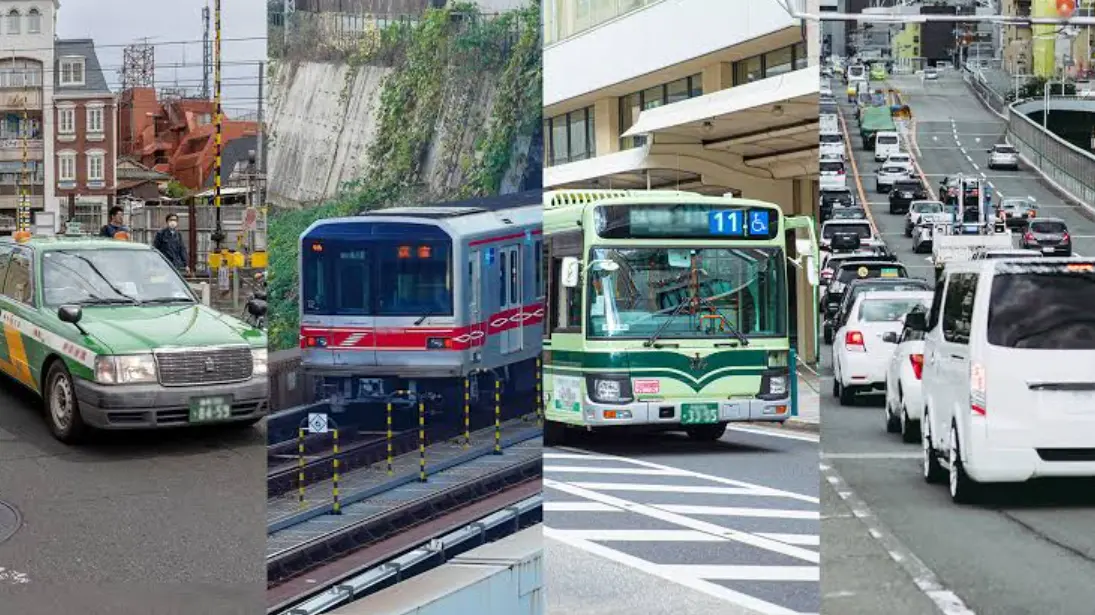
    shinkansen travel across japan

    Visitors exploring Japan typically use a combination of transportation methods depending on their itinerary, budget, and travel preferences. Understanding the strengths of each option can help you choose the most practical approach for your journey.

    Shinkansen

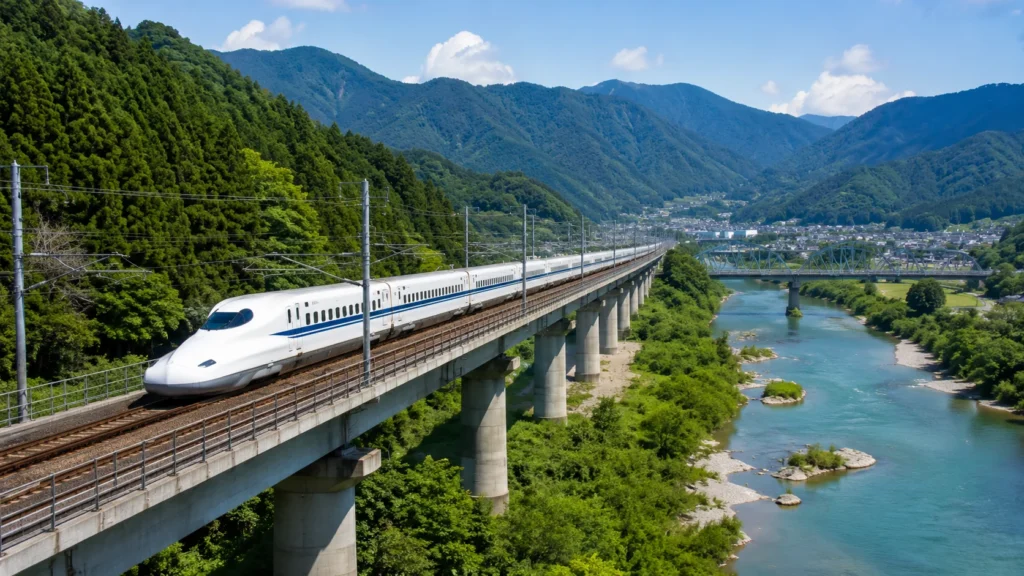
    The Shinkansen, often referred to as the bullet train, is one of the most famous transportation systems in the world. These high speed trains connect many of Japan’s major cities and provide a fast, comfortable, and reliable travel experience. For travelers moving between Tokyo, Kyoto, Osaka, Hiroshima, and other popular destinations, the Shinkansen often represents the most convenient option.

    Beyond speed, travelers appreciate the comfort and efficiency of the system. Stations are generally easy to navigate, train schedules are frequent, and the overall experience allows visitors to maximize their time exploring destinations rather than spending long hours in transit.

    Local Trains

    While high speed rail receives much of the attention, local trains remain the backbone of transportation throughout the country. These services connect neighborhoods, suburbs, and regional destinations while providing affordable access to attractions that may not be served by long distance rail routes.

    Many travelers find local trains essential when exploring individual cities or visiting nearby destinations as part of a day trip. Because services operate frequently in most urban areas, trains often become the preferred way to move around during daily sightseeing.

    Subways

    Major cities such as Tokyo, Osaka, and Sapporo operate extensive subway networks that provide convenient access to business districts, cultural attractions, shopping areas, and entertainment neighborhoods. Although subway maps may appear intimidating at first, clear signage and multilingual support make navigation easier than many visitors expect.

    Subways are particularly useful for reducing travel times within large metropolitan areas. Travelers staying near subway stations often benefit from quick access to multiple parts of the city without relying on taxis or other forms of transportation.

    Buses

    Buses play an important role in regions where rail coverage is limited or where attractions are located outside major transportation corridors. In some destinations, buses provide the most practical way to reach scenic areas, cultural sites, and rural communities.

    Long distance bus services can also offer an economical alternative to rail travel. Budget conscious travelers sometimes choose overnight bus routes to reduce accommodation expenses while traveling between cities.

    Domestic Flights

    Although trains handle many transportation needs, domestic flights can become valuable when traveling long distances. Visitors planning to explore Hokkaido, Okinawa, or other regions far from central Japan may find air travel more efficient than spending extended periods on trains.

    For example, travelers heading to northern Japan often fly into New Chitose Airport before continuing to Sapporo and surrounding destinations. This approach can significantly reduce travel time compared to overland alternatives, particularly when schedules are limited.

    Understanding IC Cards and Rail Passes

    One of the first things many visitors encounter when researching how to travel around Japan is the concept of IC cards and rail passes. While both are useful transportation tools, they serve different purposes and understanding the distinction can help travelers make better decisions.

    IC cards are rechargeable smart cards that can be used on trains, subways, and buses in many parts of the country. Instead of purchasing individual tickets for every journey, travelers simply tap the card when entering and exiting stations. This convenience makes IC cards particularly useful for daily transportation within cities.

    Rail passes operate differently. These products provide access to specific rail networks for a fixed period of time and may offer savings for travelers making multiple long distance journeys. However, a rail pass is not always the most economical option. The value depends on the destinations included in your itinerary and the frequency of your travel.

    Many first time visitors assume they automatically need a rail pass, but comparing transportation costs before purchasing one is often the best approach. In some cases, individual tickets can be more practical and cost effective.

    Traveling Between Major Regions

    Japan’s transportation network makes it possible to explore multiple regions during a single trip. Travelers often move between central Japan, northern Japan, and southern destinations without encountering significant logistical challenges.

    Routes connecting Tokyo, Kyoto, and Osaka are among the most popular because they combine convenience with frequent transportation services. These destinations are linked by efficient rail connections, allowing visitors to travel comfortably while maximizing sightseeing opportunities.

    Travelers heading toward Hokkaido typically choose either rail services or domestic flights depending on their schedule. Flying often becomes the preferred option for visitors who want to spend more time exploring destinations rather than traveling between them.

    After arriving in Hokkaido, many visitors use Sapporo as their primary transportation hub. The city provides convenient access to rail connections, regional bus services, and airport transportation. Travelers seeking a comfortable base while exploring northern Japan may also consider an intercon sapporo hotel experience due to its convenient location and accessibility.

    Southern destinations such as Hiroshima and Kyushu are also well connected through a combination of rail services and domestic flights. This flexibility allows travelers to build itineraries that match their available time and travel preferences.

    Common Transportation Mistakes Visitors Make

    Even though transportation in Japan is highly efficient, first time visitors occasionally make mistakes that can create unnecessary stress or expenses. Understanding these common issues can help travelers avoid frustration and enjoy a smoother journey.

    Trying to Visit Too Many Destinations

    One of the most common mistakes is attempting to visit too many cities within a limited period. While transportation is fast and reliable, constantly moving between destinations can reduce the amount of time available for actual sightseeing and exploration.

    Ignoring Travel Times

    Travelers sometimes underestimate the time required to navigate stations, transfer between services, and reach accommodations. Building flexibility into a schedule helps create a more enjoyable travel experience.

    Purchasing the Wrong Transportation Pass

    Many visitors purchase transportation passes without fully understanding how they will be used. Comparing route costs before buying a pass can help determine whether it provides genuine value for a specific itinerary.

    Relying Only on One Transportation Method

    While trains are often the most convenient choice, buses and domestic flights can sometimes provide better solutions depending on the destination. Travelers who remain flexible often discover more efficient routes throughout their journey.

    Practical Tips for Getting Around Japan

    japan train station navigation

    Preparing a few transportation essentials before arriving can significantly simplify your trip. Downloading navigation applications, reviewing transportation routes, and understanding station layouts can reduce confusion during busy travel days.

    Travelers should also allow extra time when making important connections, especially when navigating large transportation hubs for the first time. While Japanese transportation systems are reliable, unfamiliar stations can require additional time to navigate.

    Another useful strategy is to stay near major transportation hubs whenever possible. Convenient access to trains, subways, and airport services can save time throughout the trip while making it easier to adjust plans if needed.

    Most importantly, do not feel intimidated by the scale of the transportation network. Millions of visitors successfully navigate Japan every year, and with a little preparation, getting around the country becomes a rewarding part of the travel experience itself.

    Frequently Asked Questions

    What Is the Best Way to Travel Around Japan?

    The best transportation method depends on your itinerary. High speed trains are often the preferred choice for travel between major cities, while subways and local trains are ideal for daily transportation within urban areas. Domestic flights can be useful for reaching destinations such as Hokkaido and Okinawa more efficiently.

    Do I Need a Japan Rail Pass?

    Not necessarily. A rail pass can provide value for travelers making multiple long distance journeys, but it is not always the most economical option. Comparing transportation costs based on your planned route is the best way to determine whether a rail pass makes sense.

    Are IC Cards Worth Getting?

    Yes. IC cards simplify daily transportation by allowing travelers to tap in and out of stations without purchasing individual tickets for every trip. They are especially useful when using trains, subways, and buses within major cities.

    Is It Difficult to Use Public Transportation in Japan?

    Most visitors find public transportation easier to use than expected. Clear signage, multilingual support, route maps, and navigation applications help travelers move around confidently, even during their first visit.

    Should I Fly or Take the Train to Hokkaido?

    The answer depends on your schedule and travel preferences. Flights are generally faster, while rail travel offers scenic routes and a unique transportation experience. Travelers with limited time often choose to fly, while those interested in experiencing the journey itself may prefer rail connections.

    How Early Should I Arrive at Major Stations?

    Arriving fifteen to thirty minutes before departure is usually sufficient for most travelers. Large stations can be busy and may require additional time to locate platforms, especially for visitors unfamiliar with the layout.

    Final Thoughts

    Understanding how transportation works is one of the most valuable skills travelers can develop before visiting Japan. From world-famous Shinkansen services and extensive rail networks to local buses, subways, and domestic flights, the country offers transportation solutions for virtually every type of journey.

    Rather than focusing solely on reaching destinations, many visitors discover that traveling itself becomes part of the experience. Efficient services, reliable schedules, and convenient connections make it possible to explore diverse regions while minimizing unnecessary stress.

    Whether you are planning a short vacation focused on major cities or a longer adventure that includes northern and southern regions, learning how to travel around Japan will help you build a smoother, more flexible, and ultimately more rewarding itinerary.

  • Why 3-Bedroom Villas in Lembongan Island Are Ideal for Families and Groups

    Why 3-Bedroom Villas in Lembongan Island Are Ideal for Families and Groups

    Dreaming of a tropical escape to Bali’s enchanting neighboring islands? Many travelers crave accommodations that blend privacy, comfort, and effortless access to the island’s highlights. Villas in Lembongan Island stand out as a favorite, offering the perfect mix of luxury and genuine island charm. Whether you’re traveling with loved ones or marking a special milestone, a thoughtfully designed three-bedroom villa gives you the space and freedom to create unforgettable memories together.

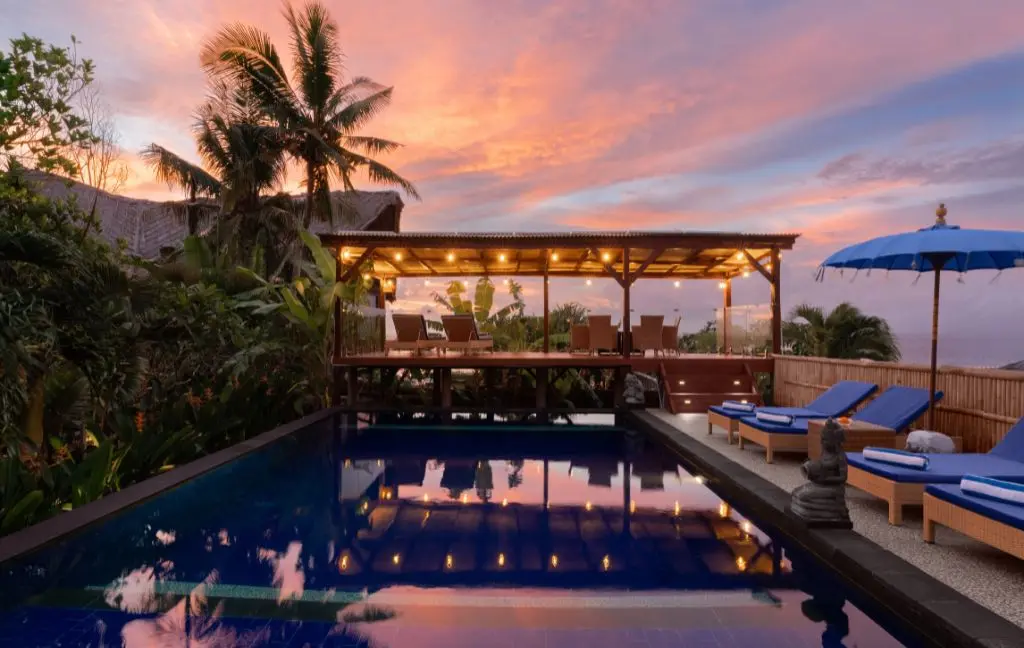
    Nusa Lembongan’s star has risen rapidly in the past decade. Tourism reports reveal that more visitors are choosing private villas, drawn by the allure of spacious living, private pools, and tailored experiences, rather than standard hotel rooms. As a result, premium villas have become the island’s most coveted places to stay.

    The Benefits of Choosing a Three-Bedroom Villa

    A three-bedroom villa offers several advantages compared to booking multiple hotel rooms. Guests can enjoy shared living areas, private outdoor spaces, dedicated dining facilities, and often a private swimming pool. These features create a home-away-from-home atmosphere that is especially appealing for families and groups.

    For travellers searching for a villa in Nusa Lembongan, spacious accommodation allows everyone to stay together while still enjoying personal privacy. This is particularly valuable for families with children, multi-generational travellers, or groups celebrating birthdays and reunions.

    Many visitors consider a luxury villa to be the best place to stay in Nusa Lembongan because it combines convenience with breathtaking ocean views and easy access to the island’s beaches.

    Exploring the Island’s Top Attractions

    A major draw of villas in Lembongan Island is their close proximity to the island’s top attractions. Imagine starting your day snorkeling in Nusa Lembongan’s crystal-clear waters, discovering vibrant coral reefs and a kaleidoscope of marine life just moments from your door.

    Adventure seekers often book a Nusa Lembongan snorkeling tour to explore locations such as Mangrove Point, Crystal Bay, and nearby reefs known for manta ray sightings. These excursions remain among the highest-rated activities on the island.

    For diving enthusiasts, Nusa Lembongan offers access to world-class dive sites with healthy coral ecosystems and diverse marine life. The waters surrounding Nusa Lembongan consistently attract divers from around the globe.

    Surf enthusiasts also appreciate the island’s reputation for excellent waves. A nearby Nusa Lembongan surf spot provides opportunities for beginners and experienced surfers alike. As a result, surfing in Nusa Lembongan has become one of the island’s defining outdoor activities.

    Dining, Wellness, and Lifestyle Experiences

    Guests in luxury villas are perfectly positioned to savour the island’s blossoming culinary scene. Whether you crave authentic Indonesian flavours or international fare, Nusa Lembongan offers a delicious array of dining options to delight every palate.

    Every year, Lembongan Island’s restaurant scene grows richer, offering more choices than ever. From the best lunch spots and fresh seafood feasts to hidden gems for every craving and budget, the island has something to satisfy every appetite. Tourism has also become increasingly popular. Travellers often look for opportunities to enjoy yoga in Nusa Lembongan, while fitness-focused guests appreciate access to a gym there during their stay.

    After a day of adventure, many guests indulge in the island’s top spas, where soothing Balinese rituals and modern therapies melt away stress and leave you feeling renewed.

    Why Families Prefer Private Villas

    Family travel continues to be one of the fastest-growing tourism segments globally. This trend is reflected in increasing demand for Nusa Lembongan family accommodation, where larger groups require more space and flexibility.

    Properties such as Lembongan Island Beach Villas offer family-friendly layouts that allow parents and children to enjoy quality time together while maintaining comfort and privacy. Many travellers consider these accommodations among the best villa options in Nusa Lembongan due to their beachfront setting and premium facilities.

    The appeal of Lembongan beach villas lies in their combination of location, comfort, and exclusive amenities. For extended stays, many guests choose to rent a villa in Nusa Lembongan because it offers better value and convenience than booking multiple hotel rooms.

    Travelers researching premium accommodation often discover that Lembongan beach villas resort experiences deliver both luxury and authentic island charm.

    Convenient Access to the Island

    Getting to Nusa Lembongan has never been easier. Visitors can arrange a private boat to Nusa Lembongan for a personalized transfer experience from Bali. Many operators also provide scheduled Nusa Lembongan boat transfer services from Sanur, allowing travelers to reach the island in approximately 30 to 45 minutes.

    The island’s accessibility has contributed significantly to its growing popularity among domestic and international travelers.

    Beyond Nusa Lembongan

    Many visitors also explore neighboring islands during their stay. Travelers interested in extending their trip often research ceningan island accommodation options to experience the unique character of nearby Nusa Ceningan.

    The close proximity of these islands makes it easy to enjoy multiple destinations while using villas on Lembongan Island as a comfortable base for exploration.

    An Ideal Venue for Special Celebrations

    Luxury villas are increasingly chosen for destination events and celebrations. Couples planning a Nusa Lembongan wedding often choose beachfront villas because they offer stunning ocean backdrops, private event spaces, and exceptional guest experiences.

    Whether hosting an intimate gathering or a larger celebration, spacious three-bedroom villas offer an elegant setting that captures the beauty of island life.

    Experience the Best of Nusa Lembongan

    For travelers seeking comfort, privacy, and convenient access to the island’s most popular attractions, three-bedroom villas provide an exceptional accommodation choice. Combining luxury amenities with prime locations, these properties continue to attract families, groups, and couples looking for a premium island experience. From snorkeling adventures and surfing sessions to wellness activities and world-class dining, Nusa Lembongan offers something for every traveler. Choosing a luxury villa allows visitors to enjoy the very best the island has to offer while creating unforgettable memories in one of Bali’s most beautiful destinations.