Coral reef ecosystems are among the most vibrant and biologically diverse environments on the planet. Home to thousands of marine species, they operate through complex food webs and delicate ecological balances. While most attention goes to the colourful reef fish and graceful turtles, many of the reef’s most crucial players live in the sand or shadows, hidden from plain sight. One such unsung predator is the spearer mantis shrimp, a stealthy hunter that plays a key role in maintaining the reef’s natural order. From their hunting techniques to their influence on biodiversity, these powerful little crustaceans are vital to coral reef health.
What Is a Spearer Mantis Shrimp
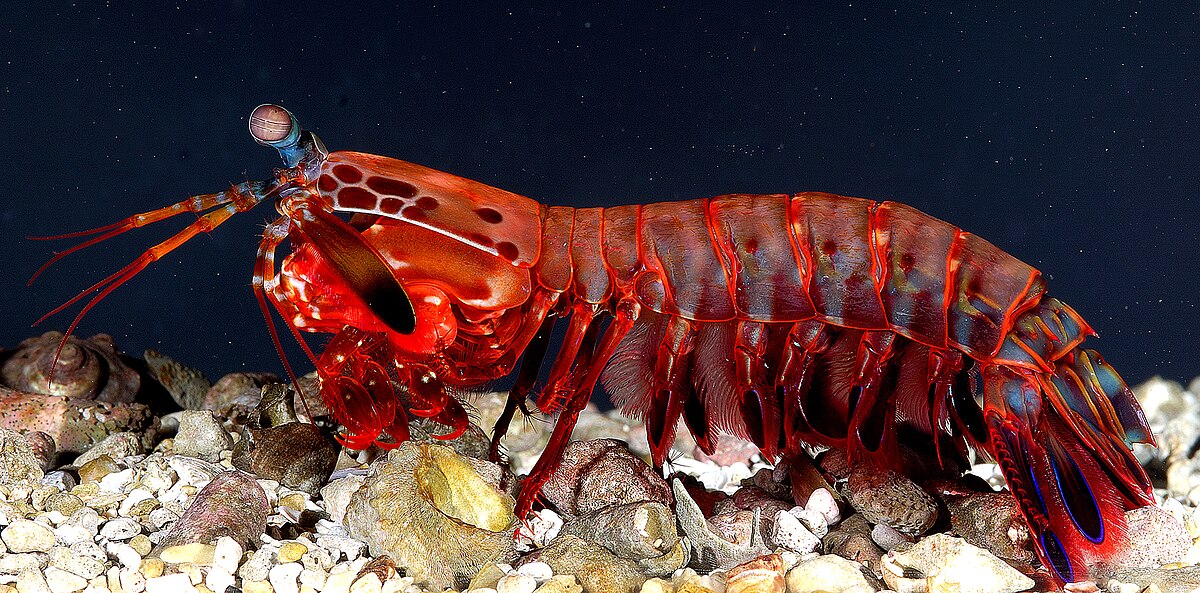
The mantis shrimp is often misunderstood. Though its name may sound unassuming, this predator is far from ordinary. There are two main types of mantis shrimp: smashers, which use club-like appendages to break shells, and spearers, which are equipped with sharp, spiny limbs used to impale soft-bodied prey.
Spearer mantis shrimp are specially adapted for ambush hunting. Their raptorial appendages strike with incredible speed and accuracy, making them highly effective predators in low-light or concealed reef environments.
Key traits of spearer mantis shrimp include:
- Long, barbed appendages are ideal for stabbing and gripping prey
- A tendency to burrow into sand or rubble for camouflage
- Behaviour characterised by patience, stealth, and explosive strikes
Despite their small size, these creatures are fearsome and efficient, with eyesight and reflexes that rival some of the top predators in the marine world.
Habitat of the Spearer Mantis Shrimp
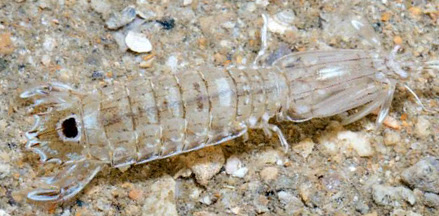
Spearer mantis shrimp are typically found in sandy bottoms, coral rubble zones, and lagoon flats within coral reef systems. These habitats provide both protection and strategic positions for ambushing prey. Using their claws and limbs, they create and maintain burrows that serve as both homes and hunting bases.
Their burrows are often overlooked but are incredibly important to the reef structure. These small openings in the sand can:
- Increase microhabitat diversity
- Provide refuge for other small organisms
- Contribute to the aeration and turnover of sediment
At Lembeh Resort, a renowned diving destination in Indonesia, underwater photographers often encounter these elusive predators while exploring muck diving sites. Their habitats may seem quiet at first glance, but a closer look reveals the calculated stillness of a predator waiting to strike.
Read also: Spearer Mantis Shrimp vs Smashing Mantis Shrimp What Makes Them Different
Predatory Role in the Food Chain
In the food web of coral reefs, spearer mantis shrimp act as mid-level predators, sitting comfortably between larger hunters and smaller prey. They feed on various soft-bodied organisms, including small fish, worms, and crustaceans. By preying on these animals, they help regulate the populations of fast-breeding reef species.
Without such predators, prey populations could grow unchecked, potentially leading to overgrazing on algae or other imbalances in the reef ecosystem. This is known as top-down ecological control, a mechanism by which predators influence the overall health of the environment through their feeding habits.
By occupying this niche, the spearer mantis shrimp helps prevent any single species from dominating, thereby contributing to the stability of the coral reef ecosystem.
Influence on Reef Biodiversity
The impact of spearer mantis shrimp goes beyond simply eating prey. Their presence alters the behaviour of other organisms on the reef. Prey species learn to avoid specific areas, adjust their activity times, or seek out different shelters when a predator such as the mantis shrimp is nearby.
These behavioural changes can lead to broader ecological effects:
- Increased use of diverse habitats by prey
- Reduced competition for resources
- Lower risk of disease or resource depletion due to overpopulation
This indirect influence known as a non-consumptive effect, can help diversify species interactions across the reef, making the ecosystem more resilient to change or disturbance. By simply being present, spearer mantis shrimp act as ecosystem moderators.
Interactions With Other Species
Coral reefs are competitive spaces, and the spearer mantis shrimp must navigate interactions with other predators and potential threats. They compete for food with species such as:
- Small reef eels
- Cephalopods like cuttlefish and octopuses
- Crabs and other shrimp species
At the same time, they are preyed upon by larger animals, including groupers, lionfish, and even octopuses. Despite their deadly strike, their soft body and reliance on concealment make them vulnerable if caught off guard.
These complex interactions position spearer mantis shrimp as both predator and prey, reinforcing their essential role in energy transfer across the coral reef food web.
Environmental Pressures and Conservation
Despite their essential role, spearer mantis shrimp face increasing environmental challenges. Climate change, rising ocean temperatures, and coral bleaching events are eroding the natural habitats they depend on. In areas where coral cover has died off, sand and rubble zones can become unstable or disappear altogether.
Pollution, especially from coastal development, can suffocate their burrows and make it harder for them to hunt or reproduce. Ocean acidification may also impact their prey base, further weakening their ecological position.
Unfortunately, because they are cryptic and understudied, spearer mantis shrimp are often left out of marine conservation plans. However, dive resorts and marine sanctuaries like Lembeh Resort are helping raise awareness of these smaller species through responsible tourism and underwater education programs.
Why Spearer Mantis Shrimp Matter
Though small and often hidden, spearer mantis shrimp are indispensable components of coral reef ecosystems. Their role as predators keeps prey populations in check, while their influence on prey behaviour promotes diversity. Their burrowing behaviour subtly shapes the reef’s landscape, making them contributors to both its biological and physical structure.
As reef degradation accelerates, understanding and protecting these minor players becomes just as crucial as saving coral or charismatic megafauna. In the interconnected world of coral reefs, even the smallest creatures make a significant impact.
Conclusion
The spearer mantis shrimp may not be the most famous resident of the reef, but its role is far from insignificant. Through hunting, habitat modification, and interaction with other species, it supports the intricate balance of life that defines coral reef ecosystems.
As divers, scientists, and conservationists look to protect our oceans, they must also consider the hidden hunters of the deep. After all, ecosystems don’t just depend on the big and the bold, they thrive because of creatures like the quiet, patient spearer mantis shrimp.