In seeking meaningful travel experiences, many adventurers turn to an unconventional guide: ancient energy grids. Rooted in the idea that the Earth is crisscrossed by invisible lines of energy, often called ley lines, these pathways are said to connect sacred sites and hold spiritual or geomagnetic power. In 2025, this exciting way of traveling will attract people who want to feel more connected to the world around them.
What Are Ancient Energy Grids and Ley Lines?
Ley lines are thought to be invisible paths of energy that crisscross the Earth. Some people believe these lines connect important landmarks and have special significance. The idea became well-known in the 20th century when a British historian named Alfred Watkins suggested that many ancient buildings and natural features, like mountains and rivers, appeared to form straight lines across the landscape. Though ley lines lack empirical scientific proof, they resonate deeply with travelers drawn to the mystical and metaphysical.
Some scientists suggest these alignments coincide with geomagnetic anomalies or natural energy fields. Whether spiritual or scientific, ley lines offer an intriguing framework for those seeking awe-inspiring journeys.
Also read Cultural Festivals Around the World: May – December
Top Destinations for Energy Grid Explorers
Travelers interested in mystical cartography can find ley lines connecting well-known sacred sites across the globe. These destinations pair cultural exploration with an undeniable sense of wonder:
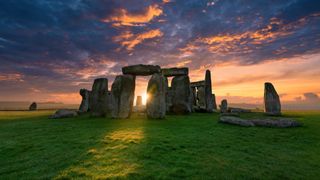
Stonehenge, England
This prehistoric monument sits at the heart of one of the world’s most famous ley lines, stretching from Cornwall to East Anglia. Mystics and researchers flock to Stonehenge, drawn by its mysterious alignment with celestial events and other ancient landmarks.
Machu Picchu, Peru
Nestled high in the Andes, this Incan site is breathtaking and considered a significant node on a global energy grid. Many visitors report feeling heightened awareness and inner peace amid the ancient ruins.
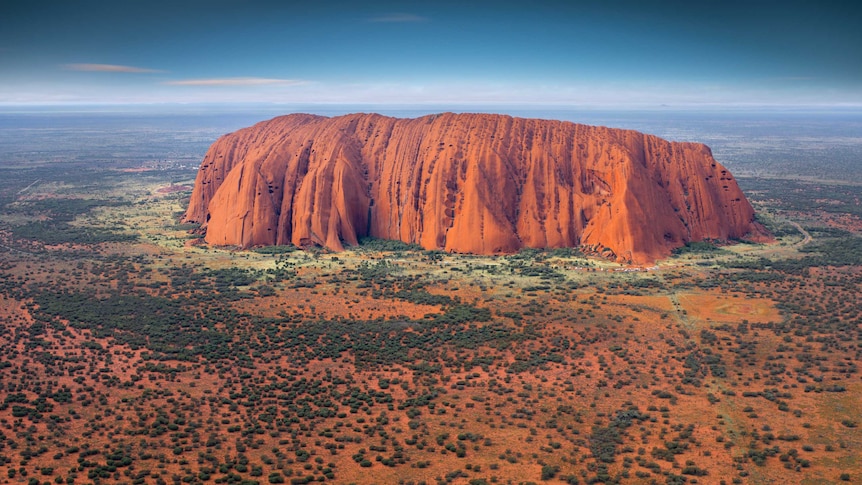
Uluru, Australia
The Indigenous Anangu people regard Uluru as a sacred site with spiritual energy. Its alignment with other holy sites in the region supports its reputation as a powerful energetic focal point.
Mount Shasta, USA
Often called the root chakra of the Earth, Mount Shasta in California is a magnet for spiritual seekers. This site offers a modern-day pilgrimage experience, from meditation retreats to metaphysical tours.
Pairing Science with Spirituality
For the curious traveller, exploring ancient energy grids is about more than spiritual fulfilment—it’s also an opportunity to uncover the intersection of science and mysticism. Geophysicists have long studied Earth’s magnetic field, and some research suggests that geomagnetic anomalies might influence how humans perceive certain landscapes.
Travelers can enrich their understanding of these sites by combining cultural immersion with scientific curiosity. They can attend a local ceremony at a special site or participate in a guided tour to explore the fascinating history of ley lines and their importance.
Mystical Cartography: Travel for Transformation
Traveling along ancient energy grids offers more than a physical journey—it’s a path to inner transformation. Whether you seek spiritual renewal, historical insight, or simply the thrill of visiting extraordinary places, ley lines promise a unique adventure.
In a world of fast-paced tourism, mystical cartography invites us to slow down, connect, and explore the profound mysteries of the Earth. Ready to follow the lines? The map is waiting.